
Astrophotography
8 min read
How to Photograph the Milky Way: A Field Guide
Plan and photograph the Milky Way with a practical guide to timing, access, focus, test exposures and editing, without relying on universal camera settings.
Read article

Practical articles for planning and photographing the night sky. Verify access and current conditions before travel.
Showing 40 articles
Plan and photograph the Milky Way with a practical guide to timing, access, focus, test exposures and editing, without relying on universal camera settings.

How to find a darker site, learn a few constellations, and spend a first night under the stars without buying a telescope.

Compare beginner telescope formats by aperture, mount, portability and setup, with manufacturer sources and a practical pre-purchase checklist.
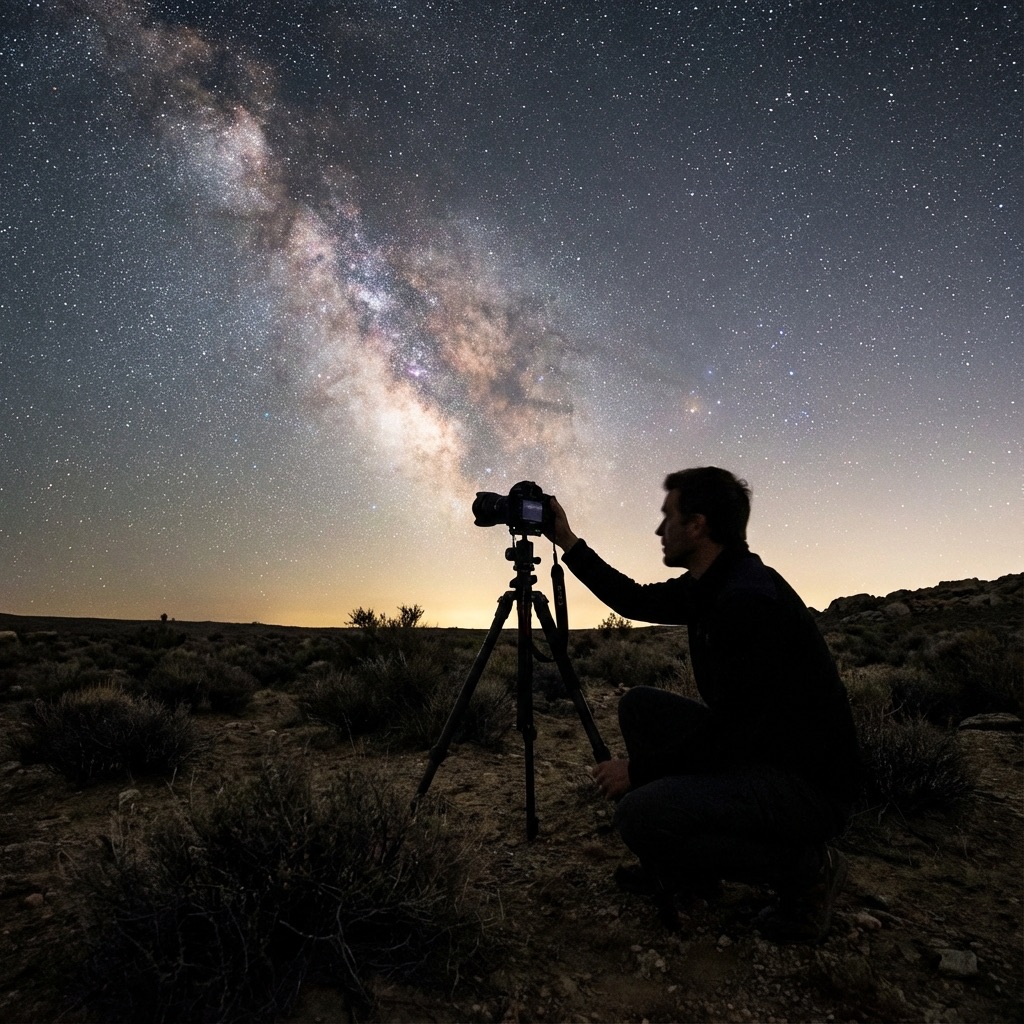
Start photographing stars with equipment you have, a stable support and a practical plan for your first session.
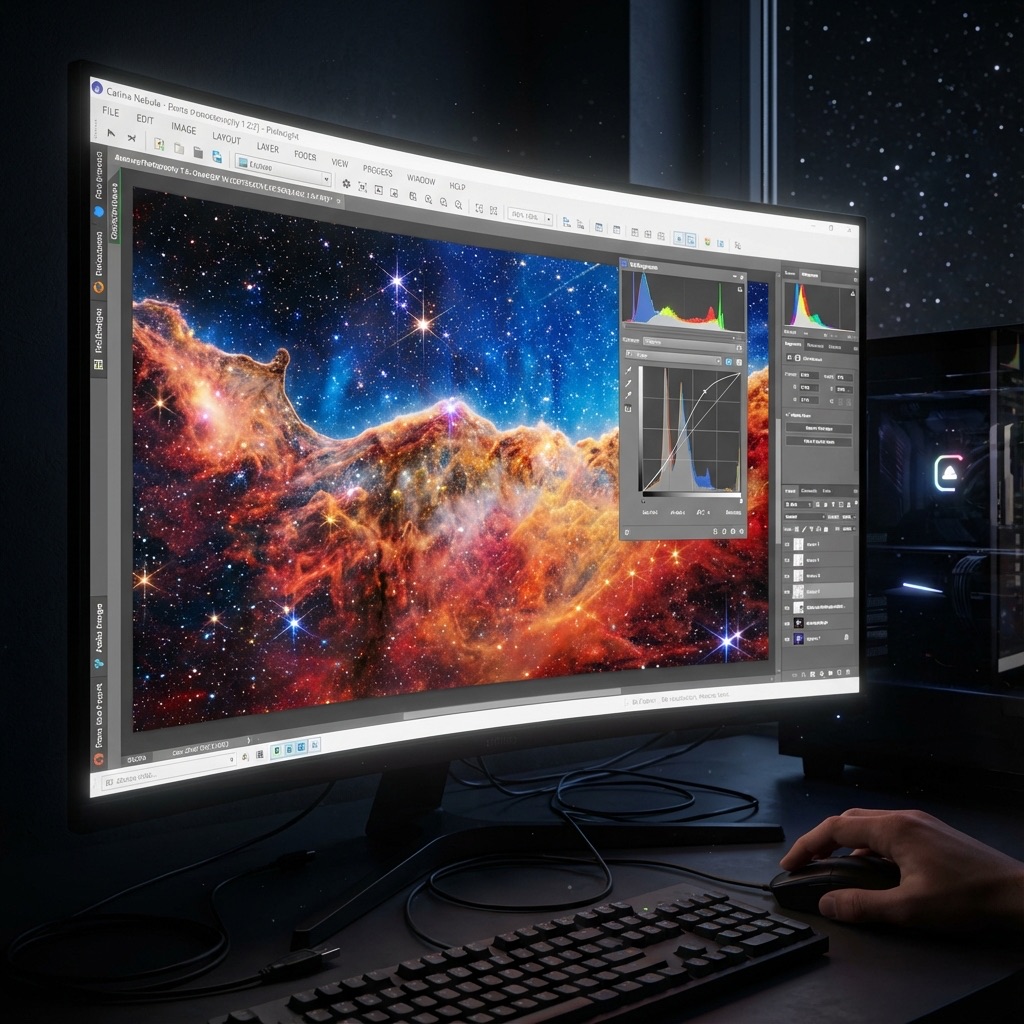
A practical first workflow for calibrating, stacking and stretching deep-sky photos, with troubleshooting and free learning resources.

Match a camera, lens and tracker, then focus, capture and troubleshoot your first deep-sky sequence.

Compare simple stargazing essentials, binoculars, telescopes, filters and comfort gear. Learn what each option can do, its trade-offs, and what to check before buying.
Compare a phone starter setup, wide-field camera and tracker, and deep-sky imaging equipment. Understand compatibility, setup trade-offs and when an upgrade is useful.

Compare binoculars, telescope formats, mounts, eyepieces and filters for visual astronomy. Learn how to choose by target, size and setup, and verify current specifications before buying.

Compare astronomy binocular formats by magnification, exit pupil, weight, eye relief and field of view, with current manufacturer specifications and practical buying trade-offs.
Prepare for a cold night under the stars, choose a short observing plan and protect your camera from condensation.
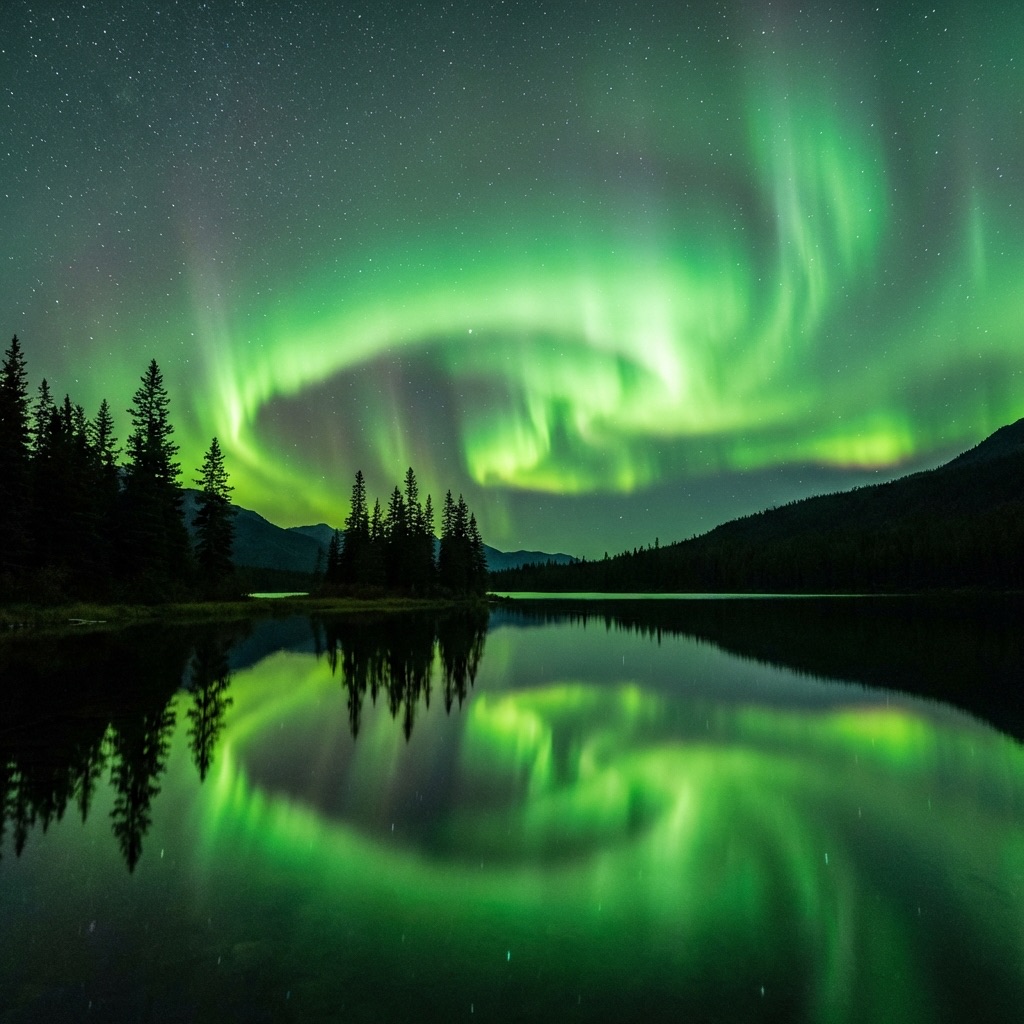
Plan an aurora outing: check darkness, cloud and the auroral oval, understand Kp, and choose a safe place to observe.
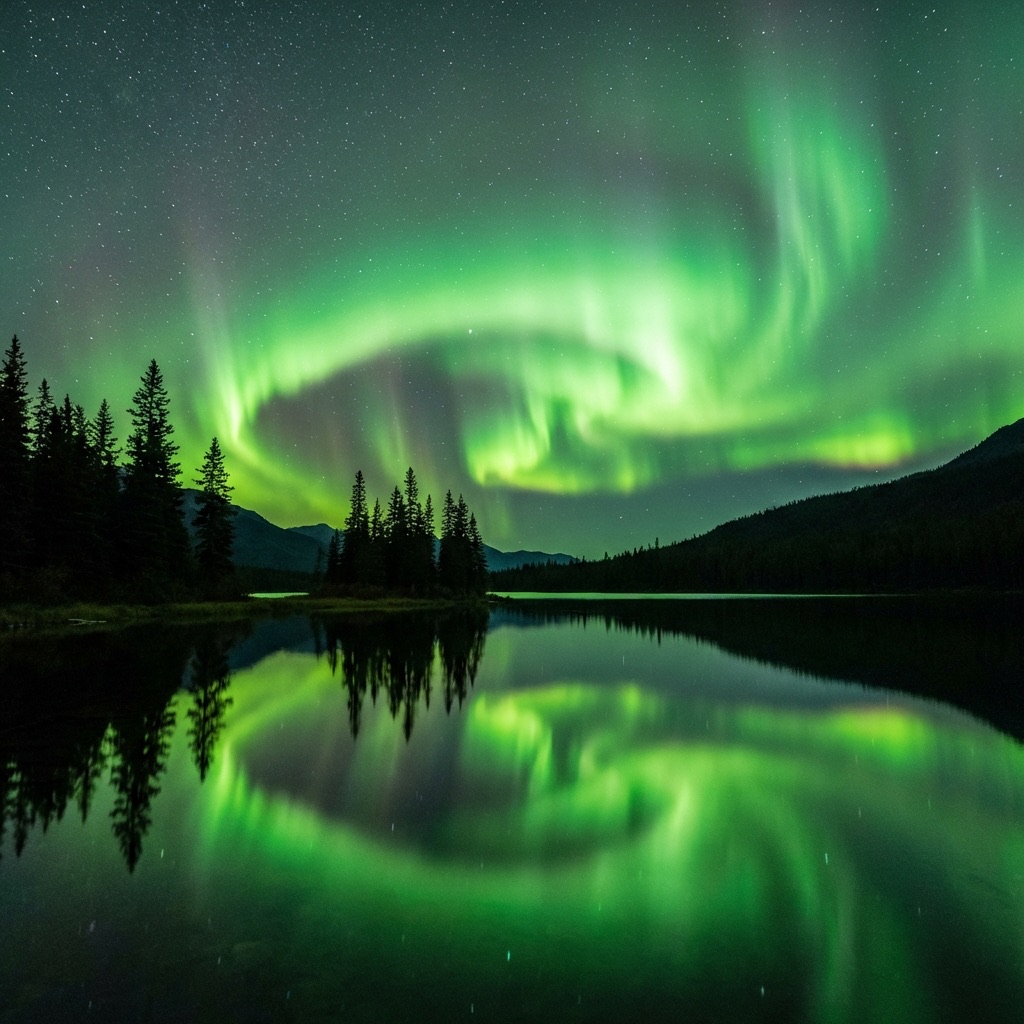
A practical guide to focusing, exposure and photographing aurora with a camera or phone.

Understand Dark Sky Reserves, Parks and Sanctuaries, find certified places, and check access, weather and Moon conditions before a visit.

Find a visible ISS pass, read its direction and elevation, and learn what to look for without a telescope.
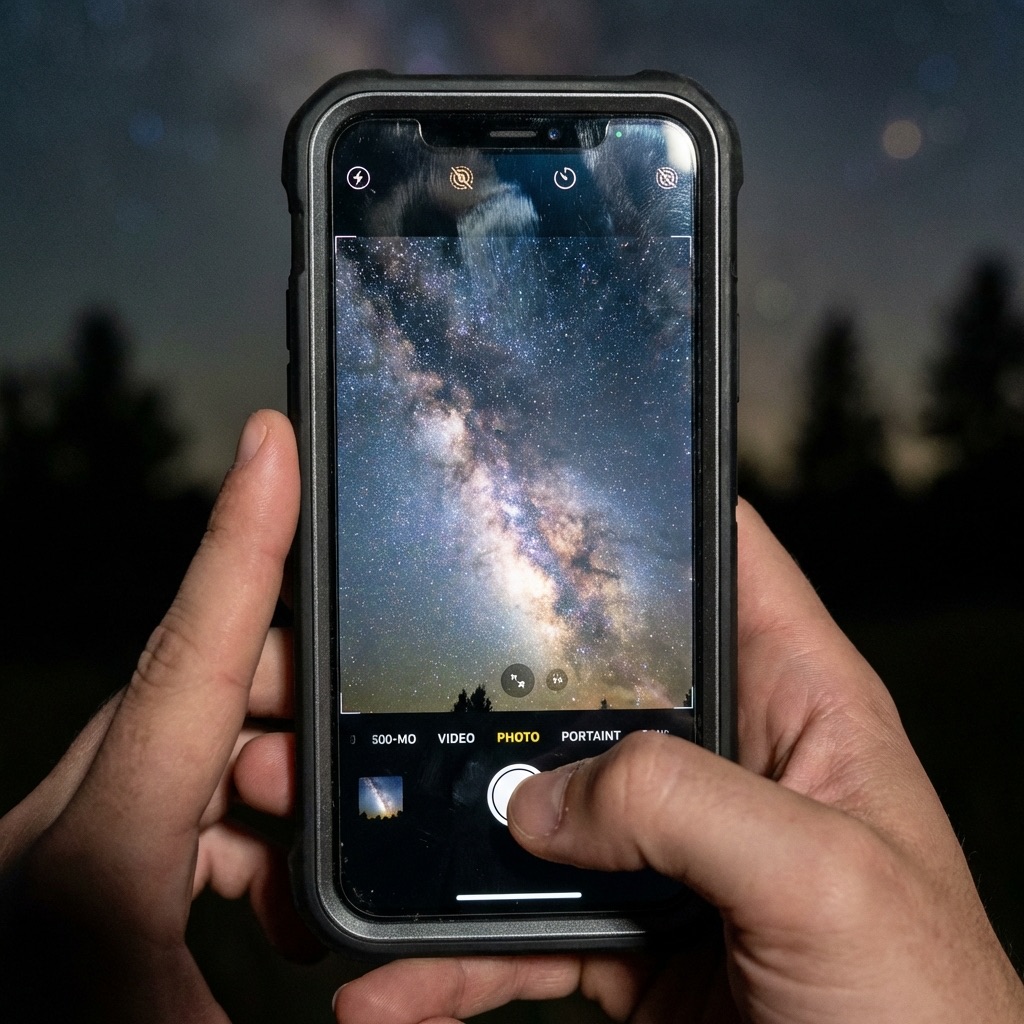
A practical guide to photographing the Moon, stars and aurora with a phone.
Plan a safe, simple family observing session with Moon and star activities and no telescope required.
Choose targets, reduce glare and understand the limits of filters when observing from a town or city.
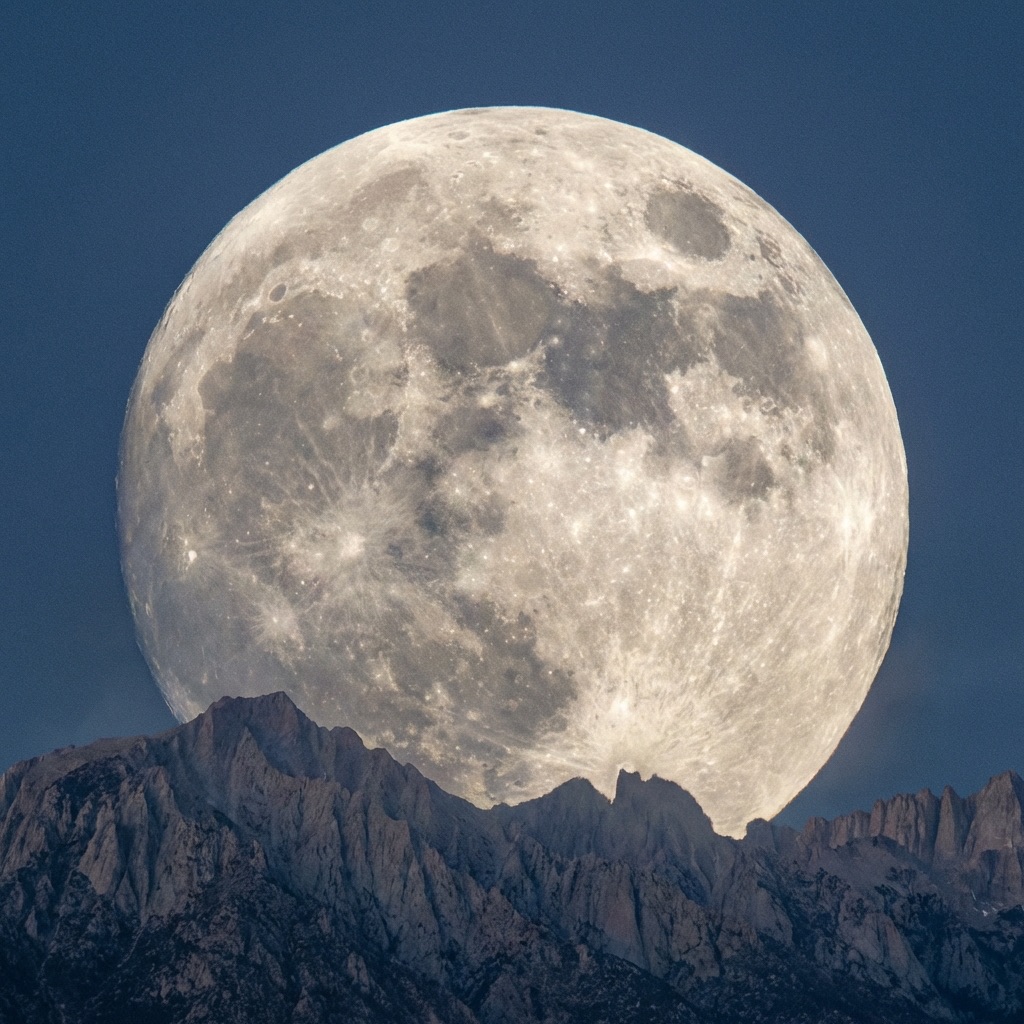
Plan a Moon photo, control exposure and focus, and troubleshoot blur with a phone or camera.
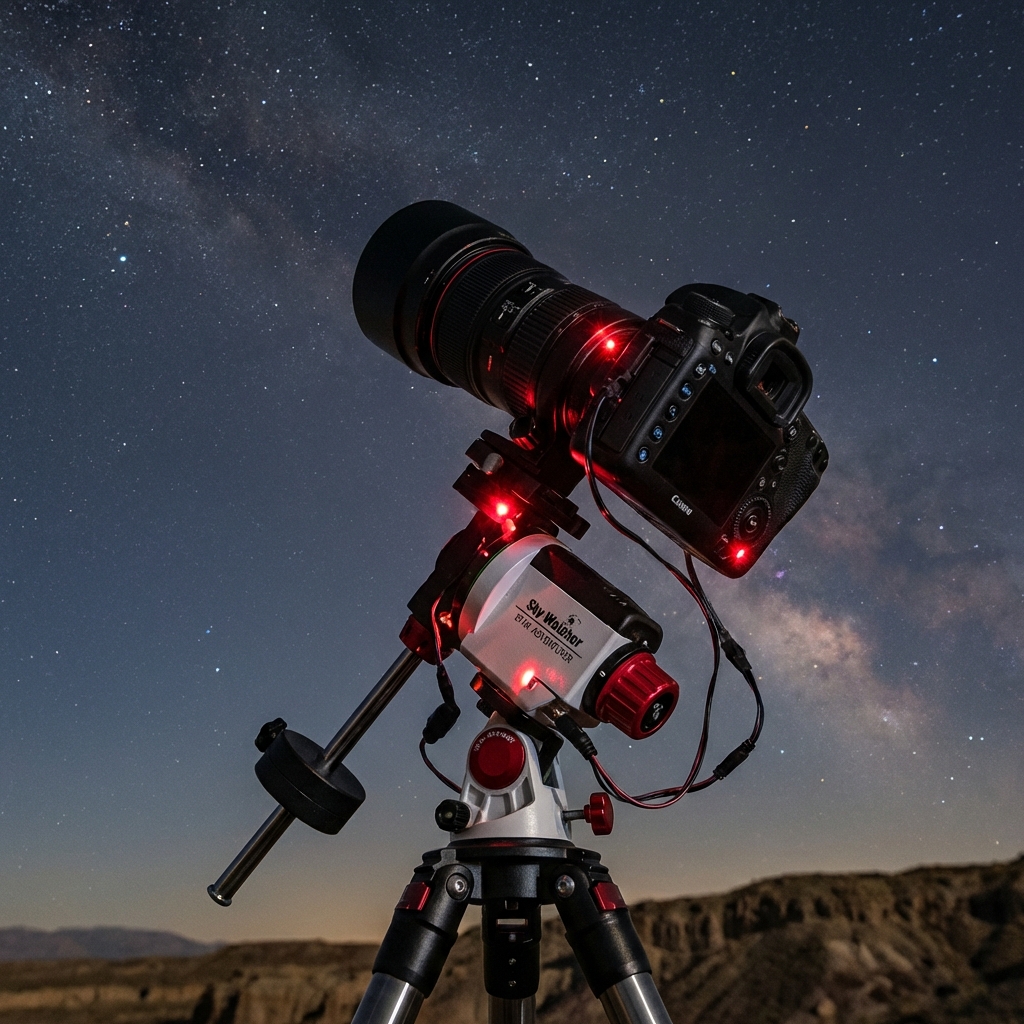
Set up a camera tracker, align it with the celestial pole and troubleshoot star trails with a practical first-session workflow.
Plan a night-sky time-lapse, calculate the number of frames, set an interval and troubleshoot common problems.

Understand app-controlled imaging, compare it with eyepiece observing, and check software, portability and safety before buying.
Choose visual and imaging filters by target, understand their limits and check the fit before buying.

Plan a Los Angeles stargazing visit with public telescope viewing, mountain parking checks and a longer Joshua Tree trip.
Plan a Denver stargazing night with public telescope sessions and a designated night-sky viewing area in Colorado.
Find public telescope events in Chicago and check night access at Indiana Dunes National Park.
Find public star parties and a seasonal observatory, and check access before a Mount Rainier stargazing trip.
Find public observing events and compare Long Island permit rules with a longer trip to Cherry Springs.

Compare three NSW camping options for a stargazing trip from Sydney, with official access links and booking checks.
Find the Southern Cross, look for the Magellanic Clouds and plan a safe first night under southern skies.
Find Polaris with the Big Dipper, identify Cassiopeia and plan a first look at Orion in the northern sky.
Check a Starlink pass for your location and learn what affects visibility.
Inspect affected frames, try pixel rejection when stacking and understand the limits of satellite trail removal.
Plan a city sky photo, control bright backgrounds and process gradients carefully.

Plan a New Zealand stargazing night: check access, cloud and Moon conditions, choose a target and prepare for the trip.

Learn how to read Kp, Bz and an aurora oval forecast, and check local darkness, cloud and access before you travel.

Understand the nine Bortle classes, how they differ from sky-brightness measurements, and what a satellite-light map can tell you.

Read cloud, Moon, transparency, seeing and aurora forecasts without treating model values as guarantees. A practical checklist for choosing when and where to observe.

Compare four certified New Zealand dark-sky regions for trip planning. Check exact-site access, transport, forecasts, Moon conditions and travel arrangements before setting out.

Learn what the northern and southern lights have in common, how viewing conditions differ, and how to plan a safe aurora outing.