
Mastering the Northern Sky: A Guide to Northern Hemisphere Icons
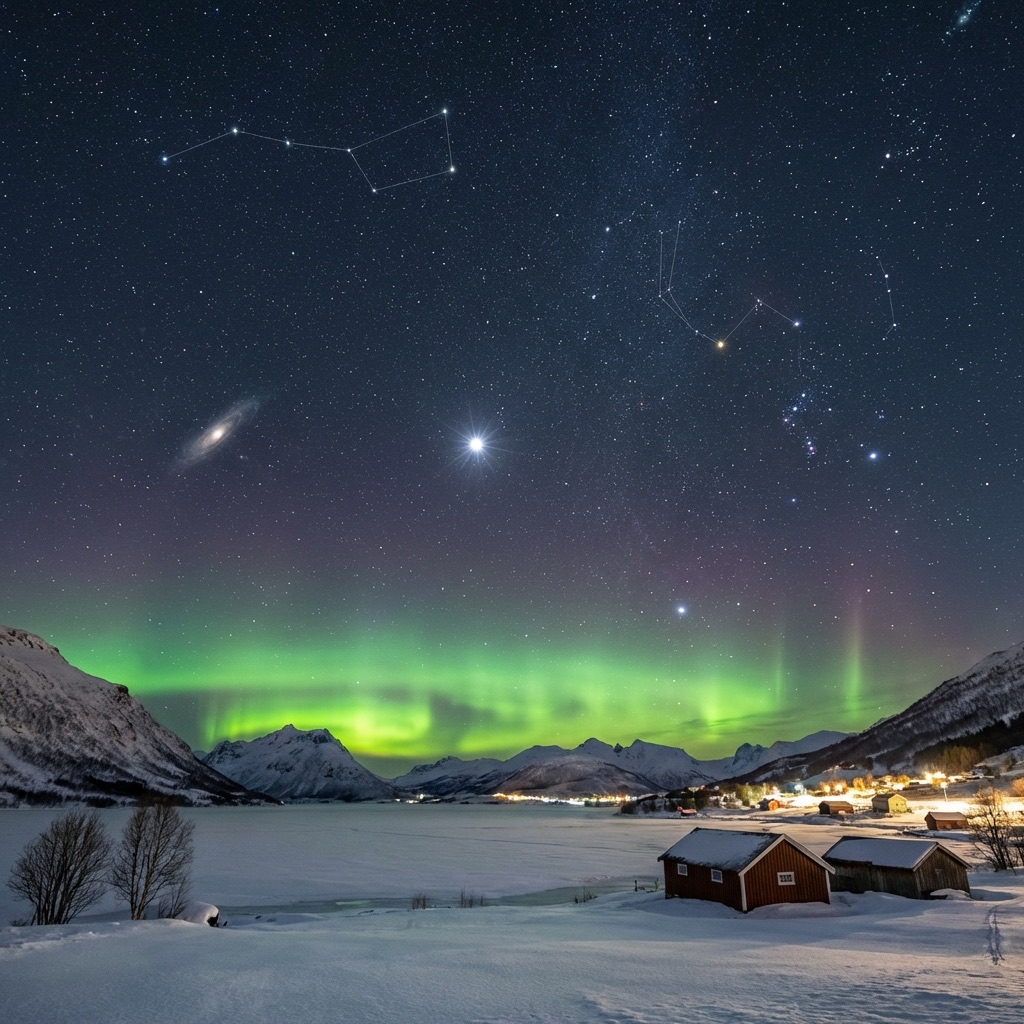
For thousands of years, the stars of the Northern Hemisphere have guided explorers, sailors, and dreamers. Unlike the ever-shifting southern sky, the north has a fixed anchor: Polaris. Whether you're in the heart of London, the wilds of the Canadian Rockies, or the deserts of Arizona, these iconic constellations are your constant companions. Here is your definitive guide to mastering the northern sky.

DH Research Lab
Data & Editorial Board
Expert Tested Gear & Affiliate Disclosure
This guide contains affiliate links. As an Amazon Associate, we earn from qualifying purchases.
01The Fixed Anchor: Polaris and the North Pole
The defining feature of the Northern Hemisphere is the North Celestial Pole. Because Earth’s axis points almost exactly at a single star, the entire sky appears to rotate around it.
Polaris (The North Star): It isn't the brightest star in the sky, but it is the most important. It remains stationary while all other stars move in circles around it. Finding North: Once you find Polaris, you are looking true North. This has been the primary method of navigation for over two thousand years. Latitude Indicator: The height of Polaris above your horizon is equal to your latitude. If you are at 45°N, Polaris will be 45 degrees above the horizon.
The Celestial Pivot
02Icon 1: The Big Dipper (Ursa Major)
The most recognizable pattern in the Northern Hemisphere. While technically an 'asterism' within the larger constellation of Ursa Major (The Great Bear), it is the primary tool for navigating the sky.
The Pointer Stars: The two stars at the end of the Dipper's 'bowl' (Dubhe and Merak) point directly to Polaris. The Arc to Arcturus: Follow the curve of the Dipper's handle to find the bright orange star Arcturus. Seasonal Shift: The Dipper is visible all year (circumpolar) from mid-northern latitudes, but its orientation changes from 'upright' in spring to 'upside down' in autumn.
Celestron SkyMaster 15x70 Binoculars
“The gold standard for wide-field northern observing.”
RATIONALE
Perfect for resolving the 'Double Star' Mizar and Alcor in the handle of the Big Dipper—a classic test of eyesight and optics.
03Icon 2: Cassiopeia (The Queen)
Opposite the Big Dipper across Polaris is the distinctive 'W' or 'M' shape of Cassiopeia.
The Galactic Anchor: Cassiopeia sits directly within the rich star fields of the Milky Way. Finding Polaris: If the Big Dipper is low or blocked by trees, use the 'W' of Cassiopeia to find the North Star. Deep Sky Treasures: This region is packed with open star clusters and nebulae, including the famous 'Owl Cluster'.
Nikon Monarch M7 8x42 Binoculars
“Durable, high-contrast optics for scanning the Milky Way.”
RATIONALE
Cassiopeia is located in a dense part of the Milky Way. These binoculars will reveal hundreds of stars and several glowing clusters that are invisible to the naked eye.
04Icon 3: Orion (The Hunter)
While visible from both hemispheres, Orion is the king of the northern winter sky.
The Belt Stars: Three perfectly aligned stars that point to Sirius (the brightest star) in one direction and the Pleiades in the other. The Great Orion Nebula: Located in Orion's 'sword', this is the brightest nebula in the sky and a birthplace of new stars. Betelgeuse: A massive red supergiant star that marks the Hunter's shoulder.
Winter Icon
Dominates the southern horizon for northern observers from December to March.
Navigational Aid
Orion's belt sits almost exactly on the celestial equator, meaning it rises due East and sets due West.
Nebula Visibility
Clearly visible as a 'fuzzy star' even in moderately light-polluted suburban skies.
05Northern Stargazing Destinations
The Northern Hemisphere offers a vast array of dark sky environments, from Arctic tundras to high deserts.
North America
Dark sky hubs in the US Southwest (Arizona/Utah) and the Canadian Rockies.
Europe
The high Alps, the remote Canary Islands, and the dark valleys of the UK and Scandinavia.
Arctic Circle
The best place to combine northern constellations with the Aurora Borealis.
06Master the North with Our Regional Guides
Explore our specific guides for the Northern Hemisphere's premier dark sky locations:
United States
Guides for LA, NYC, Seattle, Miami, Phoenix, Denver, and more.
Canada
Vancouver, Toronto, Calgary, and the Banff expansion.
UK & Europe
London, Paris, Berlin, Madrid, Rome, and the Dolomites.
Asia
Stargazing near Tokyo and Mount Fuji.
Don't waste a clear-night chance
Get the field checklist, then use DarkestHour to decide if tonight's sky is actually worth your time, setup or travel.
Learn first. Decide with the map.
DarkestHour guides are free trust builders. Use them to understand conditions, then use Pro for saved spots, alerts and best-night decisions.
Find Your Darkest Sky
Use our real-time satellite maps to find locations with zero light pollution.
Launch Interactive MapYour Learning Roadmap
You've mastered the guides basics. The next logical step in your technical progression is mastering astrophotography workflows.
MANDATORY FIELD EQUIPMENT
Celestron NexStar 8SE
The gold standard for deep-sky observation. 203mm aperture for maximum light gathering.
ZWO Seestar S50
Fully robotic imaging system. Perfect for urban environments and rapid deployment.
Peak Design Travel Tripod
Zero-latency stability for long exposure astrophotography. Carbon fiber construction.
Continue Your Research
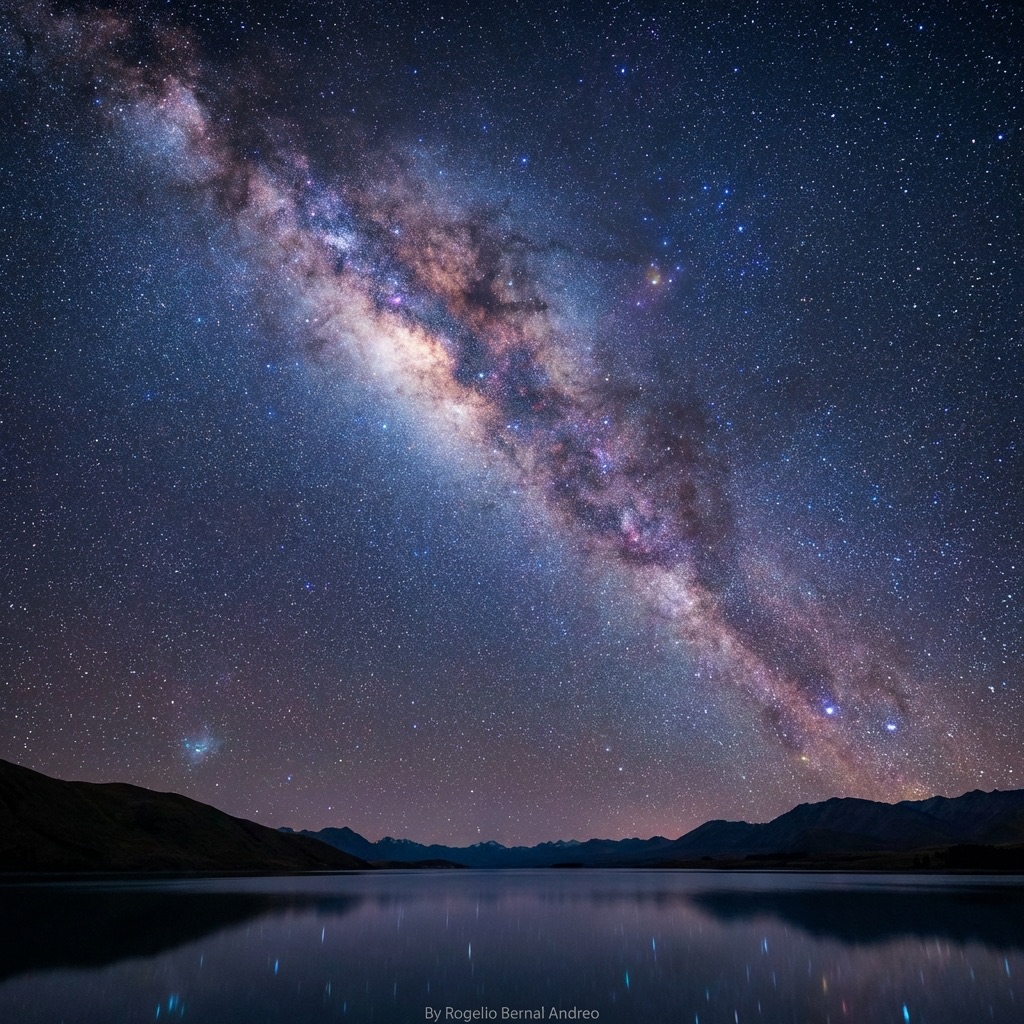
The Ultimate Guide to Southern Hemisphere Stargazing
Master the southern icons! From the Magellanic Clouds to the Emu in the Sky, discover what makes the southern night sky superior. The ultimate guide.
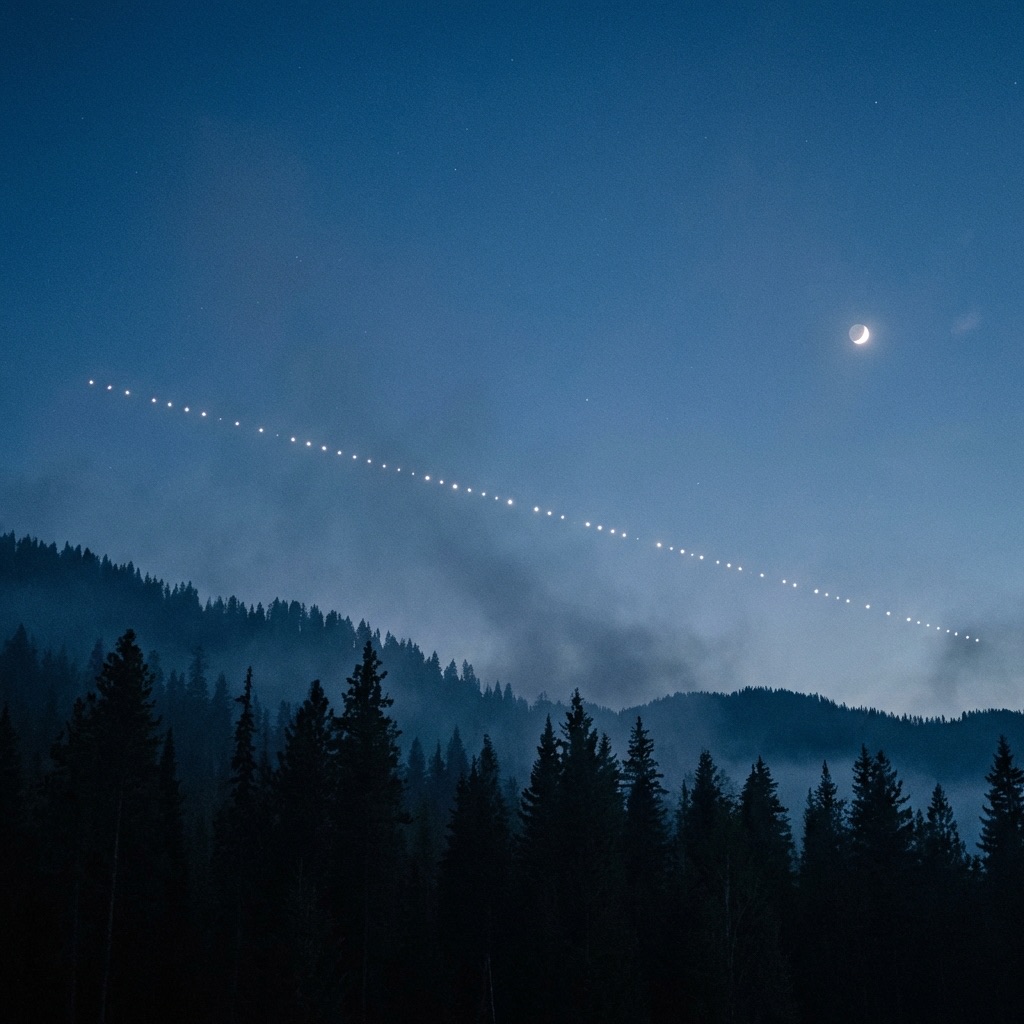
How to See Starlink Satellite Trains: A Beginner's Guide
Surreal and bright! Learn how to find, track, and photograph Starlink satellite trains glide across the night sky with our 2026 spotting guide.

Stargazing with Kids: A Family Guide to the Night Sky
Create magical family memories with our guide to stargazing with kids. Includes age-appropriate activities, gear recommendations, and safety tips.
End of Dossier • Research Complete