
How to See Starlink Satellite Trains: A Beginner's Guide (2026)
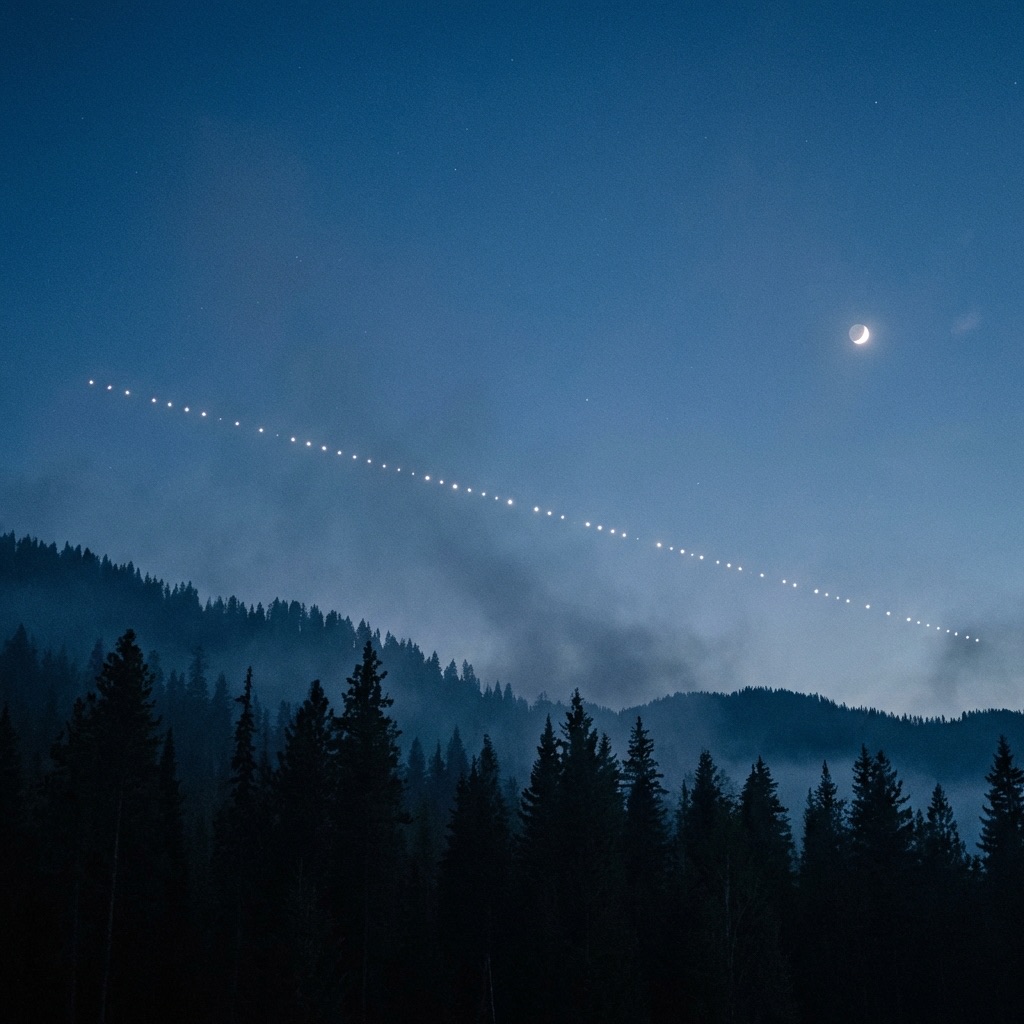
The sight of a Starlink 'train'—a perfectly straight line of bright satellites gliding across the night sky—is one of the most surreal and debated experiences in modern stargazing. Whether you're a curious observer or an annoyed astronomer, knowing how to track these events is essential. Here is our comprehensive guide to finding the 'string of pearls'.

DH Research Lab
Data & Editorial Board
Expert Tested Gear & Affiliate Disclosure
This guide contains affiliate links. As an Amazon Associate, we earn from qualifying purchases.
01What exactly are Starlink Trains?
When SpaceX launches a new batch of 20-60 Starlink satellites, they are released from the Falcon 9 second stage in a tight cluster at a low altitude (approximately 200-300km).
For several days after launch, before they use their onboard ion thrusters to maneuver into higher orbits, they appear as a singular, dense line of light. This is the "Prime Viewing" window where they are brightest and most dramatic.
02The Physics of Visibility
You cannot see satellites in the middle of a dark night. They have no lights of their own; they are visible only because they reflect sunlight.
The Golden Window:
- Observer: Must be in darkness (after sunset or before sunrise).
- Satellite: Must be high enough to still be in direct sunlight.
- This occurs during Nautical and Astronomical twilight—usually between 45 and 90 minutes after sunset.
03How to Track the Trains
Timing is everything. Because they are in low earth orbit, they move fast—traversing the entire sky in just 3-5 minutes.
- Launch Alerts: Follow SpaceX or space enthusiasts on social media. The best views occur 24-72 hours post-launch.
- Specialized Apps: 'Find Starlink' and 'Heavens Above' are the industry standards. Enter your exact location to get precise flyover times and sky charts.
- Brightness (Magnitude): Look for passes with a 'Magnitude' of 2.0 or lower. Magnitude 1.0 is bright (like Sirius); Magnitude 4.0 is faint and requires dark skies.
Speed
They move much faster than an airplane. Look for a steady, fast-moving dot.
Color
They typically appear as steady white or slightly yellowish points of light.
Direction
Most Starlink passes travel from West to East or North-West to South-East.
04Optimal Viewing Strategy
- Get Elevated: Because the 'trains' are often low in the sky initially, a hill or rooftop with clear horizons is best.
- Red Light Only: Keep your eyes dark-adapted. If you use your phone to check a tracking app, use a red filter or low brightness.
- Camera Settings: To photograph them, use a tripod and a 10-30 second exposure. They will appear as perfectly straight, parallel lines across your frame.
05Connectivity for the Dark Sky Traveler
Ironically, the same satellites that photobomb our images provide the internet we use to find dark sky spots. For astronomers staying in remote BLM land or National Parks, Starlink is the ultimate field companion.
Frequently Asked Questions
Q:Why do the trains disappear suddenly in the middle of the sky?
This happens when the satellites enter the Earth's shadow (the Umbra). They are still there, but they are no longer reflecting sunlight.
Q:Are Starlink satellites permanent?
No. They are designed to stay in orbit for about 5 years before they de-orbit and burn up completely in the atmosphere.
Q:Do I need a telescope to see them?
No! Starlink trains are best viewed with the naked eye to appreciate the scale of the line. Binoculars can help see them as they get fainter over time.
Don't waste a clear-night chance
Get the field checklist, then use DarkestHour to decide if tonight's sky is actually worth your time, setup or travel.
Learn first. Decide with the map.
DarkestHour guides are free trust builders. Use them to understand conditions, then use Pro for saved spots, alerts and best-night decisions.
Find Your Darkest Sky
Use our real-time satellite maps to find locations with zero light pollution.
Launch Interactive MapYour Learning Roadmap
You've mastered the guides basics. The next logical step in your technical progression is mastering astrophotography workflows.
MANDATORY FIELD EQUIPMENT
Celestron NexStar 8SE
The gold standard for deep-sky observation. 203mm aperture for maximum light gathering.
ZWO Seestar S50
Fully robotic imaging system. Perfect for urban environments and rapid deployment.
Peak Design Travel Tripod
Zero-latency stability for long exposure astrophotography. Carbon fiber construction.
Continue Your Research
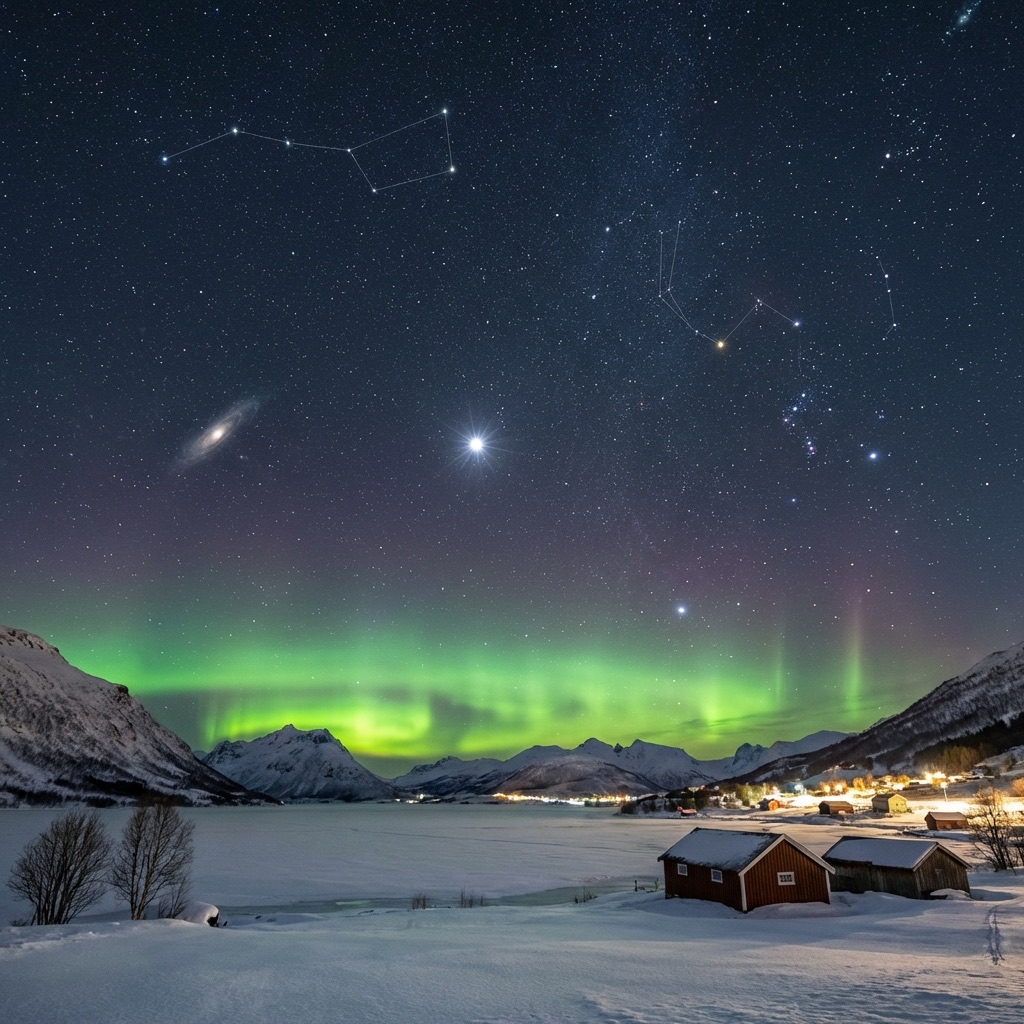
Northern Hemisphere Stargazing: Guide to Northern Icons
Master the northern night sky! Learn how to find Polaris, the Big Dipper, and Cassiopeia. The ultimate guide to northern hemisphere stargazing.
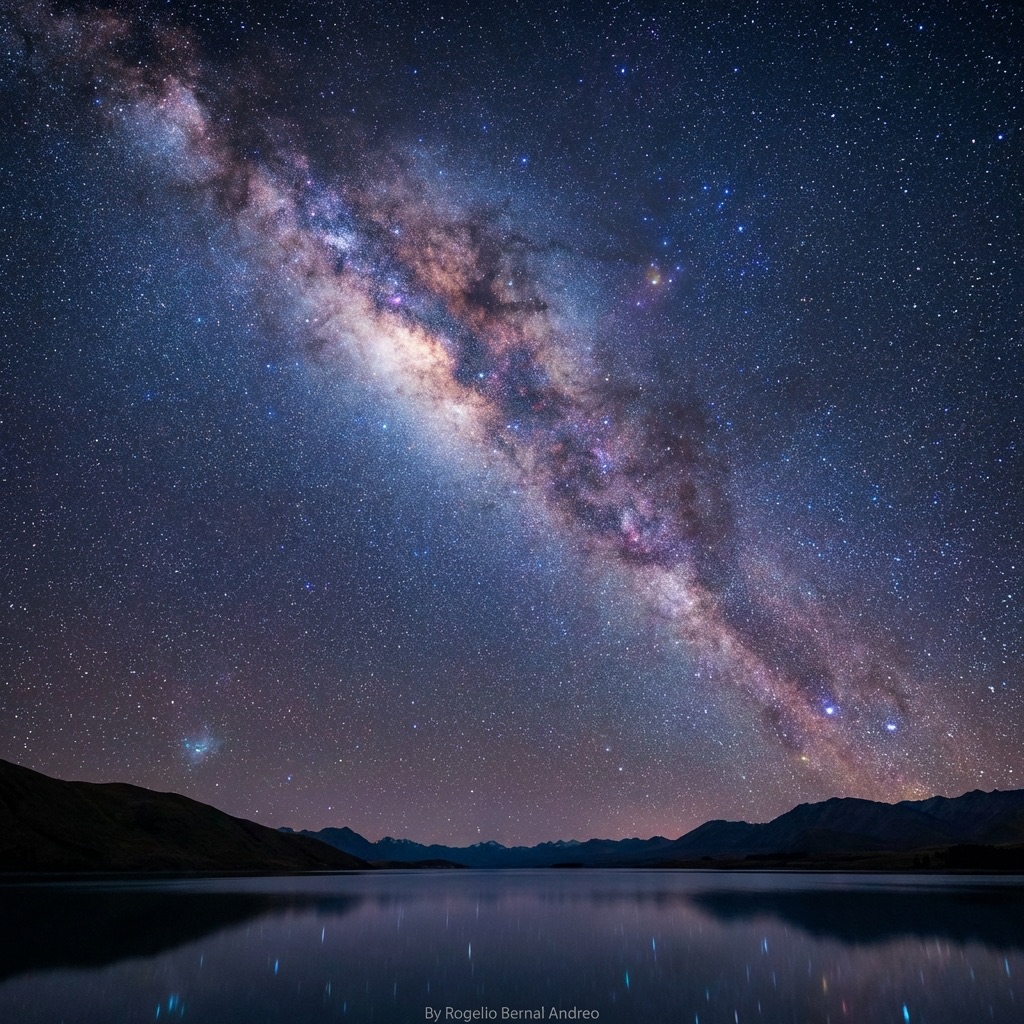
The Ultimate Guide to Southern Hemisphere Stargazing
Master the southern icons! From the Magellanic Clouds to the Emu in the Sky, discover what makes the southern night sky superior. The ultimate guide.
Stargazing with Kids: A Family Guide to the Night Sky
Create magical family memories with our guide to stargazing with kids. Includes age-appropriate activities, gear recommendations, and safety tips.
End of Dossier • Research Complete