
The Ultimate Guide to Southern Hemisphere Stargazing: Icons of the Deep South
The Southern Hemisphere provides a unique window into the galactic center and prime deep-sky objects invisible to the north. This technical guide maps the southern celestial sphere, focusing on the Magellanic Clouds, the Carina Nebula, and the mission-critical orientation of the Southern Cross.
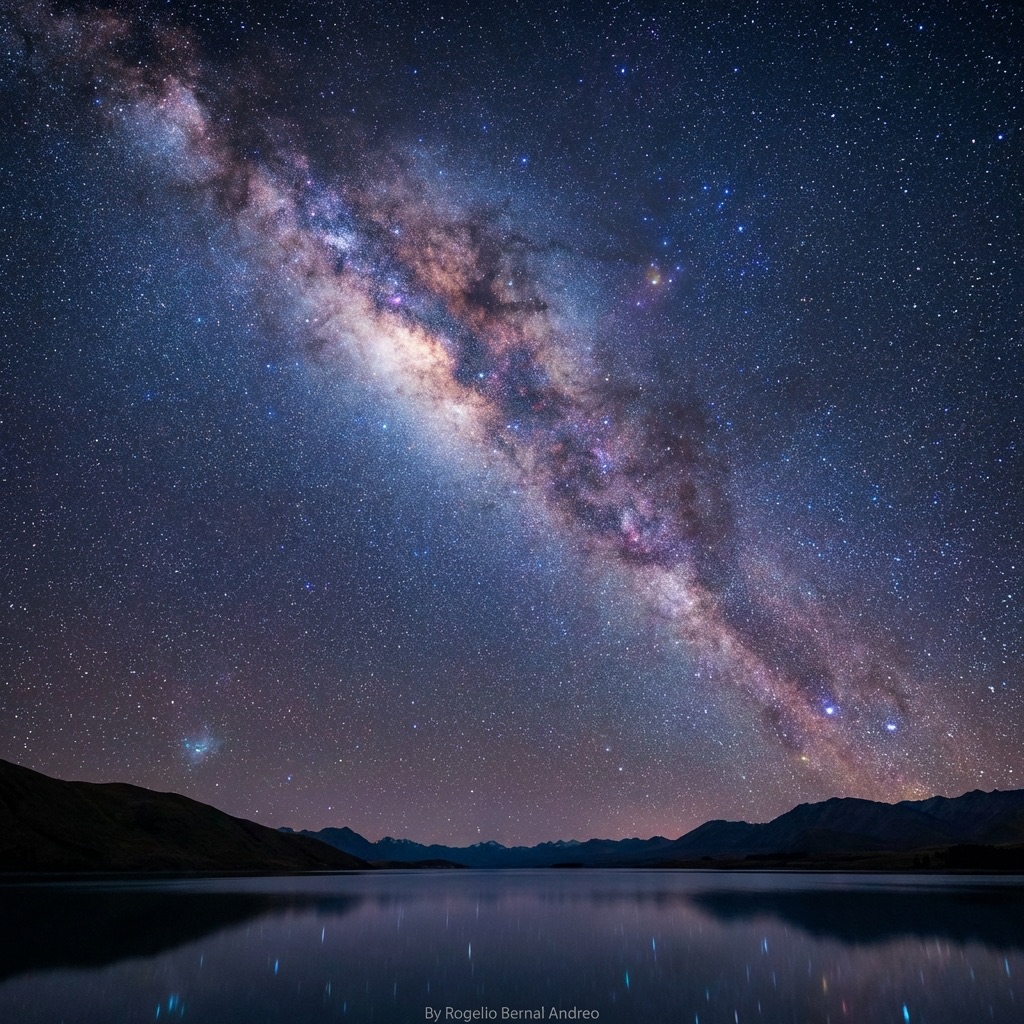

DH Research Lab
Data & Editorial Board
Expert Tested Gear & Affiliate Disclosure
This guide contains affiliate links. As an Amazon Associate, we earn from qualifying purchases.
01Why Southern Skies are Superior
Astronomers generally agree: the Southern Hemisphere is the winner when it comes to visual complexity and depth.
1. The Galactic Core Passes Overhead: In the south, the 'bulge' of the Milky Way—the densest part of our galaxy—passes directly through the zenith (the point above your head) during winter months. 2. Satellite Galaxies: The Large and Small Magellanic Clouds are two entire dwarf galaxies visible only from the south. 3. The Brightest Icons: The two brightest stars in the night sky (outside the sun), Sirius and Canopus, are both prominent in the southern sky.
No South Star?
02Icon 1: The Southern Cross (Crux)
The most famous constellation of the south. Small but exceptionally bright, it has guided navigators for centuries.
How to find it: Look for the two bright 'Pointers' nearby. A line drawn through the long axis of the cross leads directly toward the South Celestial Pole. The Coalsack: Right next to the cross is a dark, starless hole. This is a massive dust cloud blocking the light of the stars behind it.
Celestron SkyMaster 20x80 Binoculars
“Large aperture binoculars for deep-southern skies.”
RATIONALE
Perfect for resolving the Jewel Box cluster—a tiny cluster of multi-colored stars located right within the Southern Cross.
03Icon 2: The Magellanic Clouds
Named after Ferdinand Magellan, these are two irregular dwarf galaxies that orbit the Milky Way.
- Large Magellanic Cloud (LMC): Appears as a glowing detached patch of the Milky Way. Home to the Tarantula Nebula.
- Small Magellanic Cloud (SMC): Smaller and fainter, located about 20 degrees away from the LMC.
Best viewing: These are 'circumpolar' from most of Australia, South Africa, and Chile, meaning they are visible all year round.
Dark Sky Essential
04Icon 3: The Emu in the Sky
An iconic Aboriginal Australian constellation. Unlike Western constellations, which are made of stars, the Emu is made of the 'dark space' between the stars.
The Anatomy:
- Head: The Coalsack Nebula next to the Southern Cross.
- Neck: The dark dust lanes stretching through the Milky Way.
- Body: The large dark bulge in the center of the galaxy in Scorpius and Sagittarius.
Cultural Heritage
Part of the world's oldest continuous living culture's astronomical oral history.
Seasonal Signifier
The position of the Emu in the sky was used to determine the timing for egg-harvesting.
Visibility
Best seen during the Southern Winter (June-August) when the Galactic Core is highest.
05The 'Big Three' Southern Destinations
If you want to see these icons in their full glory, these are the regions with the best infrastructure and darkness:
Chile (Atacama)
The world's driest desert and home to the world's largest telescopes. Absolute Bortle 1.
Australia (Outback)
Thousands of miles of uninhabited desert with perfectly stable, dry air.
South Africa (Karoo)
High altitude interior plateau with a long tradition of astronomical research.
06Regional Deep Dives
Explore our specific guides for the Southern Hemisphere's best star-spots:
Australia
Guides for Sydney, Melbourne, Perth, Brisbane, and Adelaide.
New Zealand
The Aoraki Mackenzie International Dark Sky Reserve.
South America
Santiago and the Atacama Desert.
South Africa
Sutherland, the Cederberg, and the Karoo.
Don't waste a clear-night chance
Get the field checklist, then use DarkestHour to decide if tonight's sky is actually worth your time, setup or travel.
Learn first. Decide with the map.
DarkestHour guides are free trust builders. Use them to understand conditions, then use Pro for saved spots, alerts and best-night decisions.
Find Your Darkest Sky
Use our real-time satellite maps to find locations with zero light pollution.
Launch Interactive MapYour Learning Roadmap
You've mastered the guides basics. The next logical step in your technical progression is mastering astrophotography workflows.
MANDATORY FIELD EQUIPMENT
Celestron NexStar 8SE
The gold standard for deep-sky observation. 203mm aperture for maximum light gathering.
ZWO Seestar S50
Fully robotic imaging system. Perfect for urban environments and rapid deployment.
Peak Design Travel Tripod
Zero-latency stability for long exposure astrophotography. Carbon fiber construction.
Continue Your Research
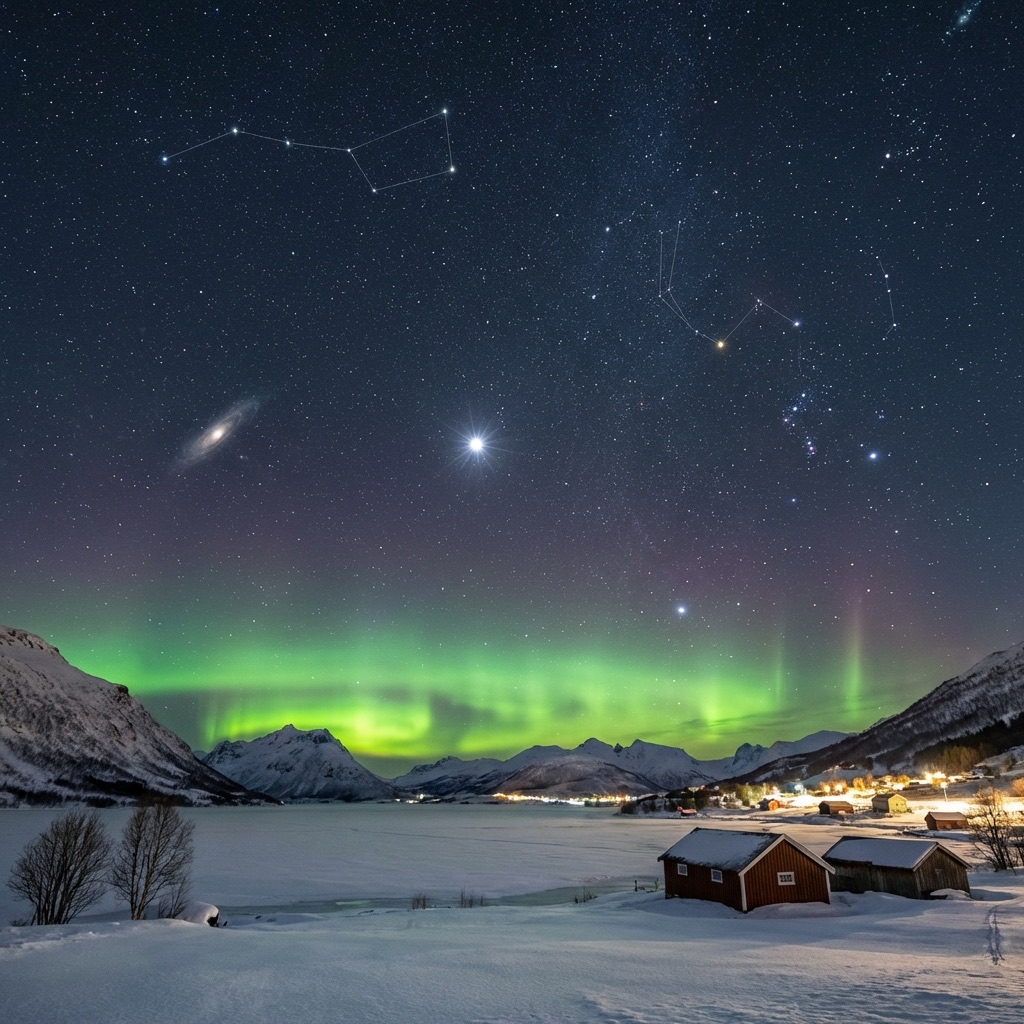
Northern Hemisphere Stargazing: Guide to Northern Icons
Master the northern night sky! Learn how to find Polaris, the Big Dipper, and Cassiopeia. The ultimate guide to northern hemisphere stargazing.
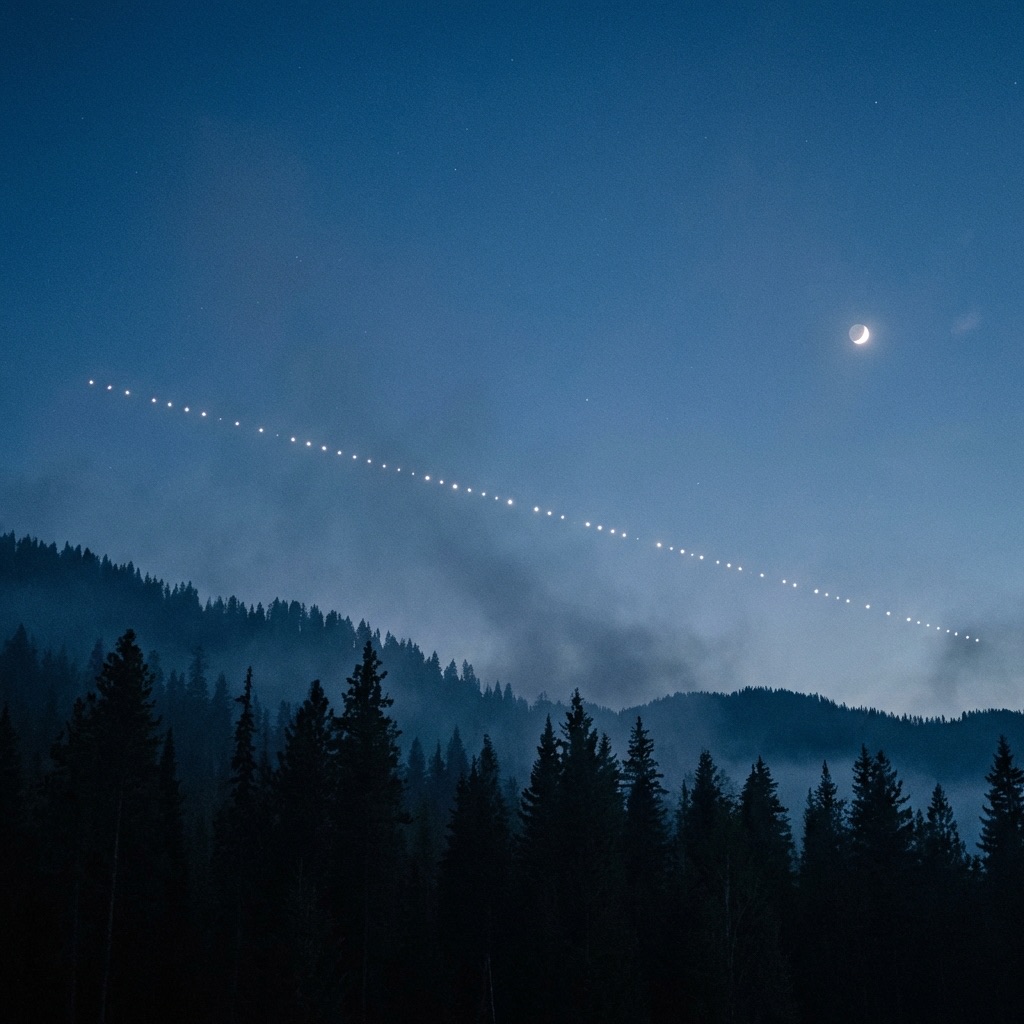
How to See Starlink Satellite Trains: A Beginner's Guide
Surreal and bright! Learn how to find, track, and photograph Starlink satellite trains glide across the night sky with our 2026 spotting guide.
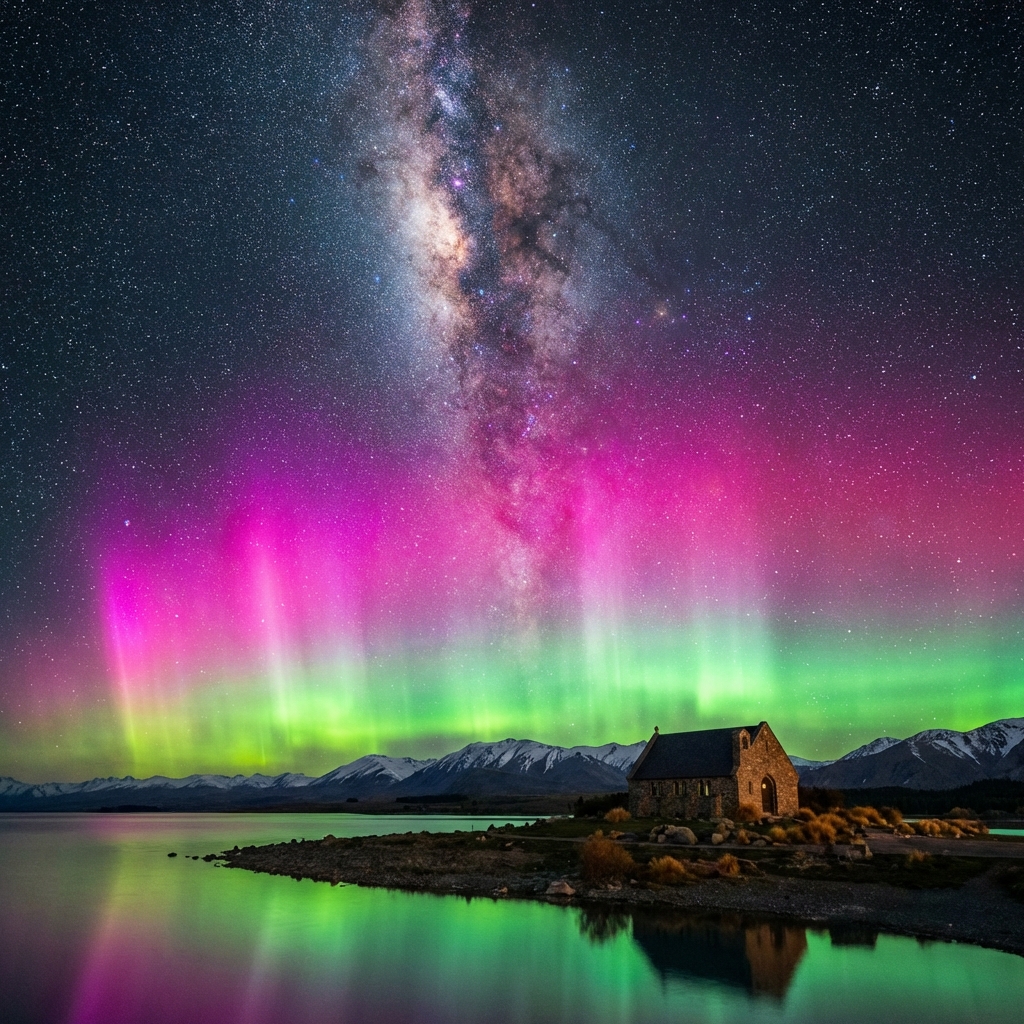
Best Places to See the Southern Lights (Aurora Australis)
Explore the best Southern Hemisphere locations for aurora hunting. Learn where to see the Southern Lights in New Zealand, Tasmania, and more.
End of Dossier • Research Complete