
The Smart Telescope Revolution: Astrophotography for Everyone
For decades, astrophotography was hard. You needed heavy mounts, complex autoguiding configurations, and hours of post-processing. Then came the 'Smart Telescope'. In 2026, robots are taking over the hobby—and the results are spectacular. Whether you have $500 or $4,000, there is now a robot that can capture the cosmos for you.
DH Research Lab
Data & Editorial Board
Expert Tested Gear & Affiliate Disclosure
This guide contains affiliate links. As an Amazon Associate, we earn from qualifying purchases.
01What is a Smart Telescope?
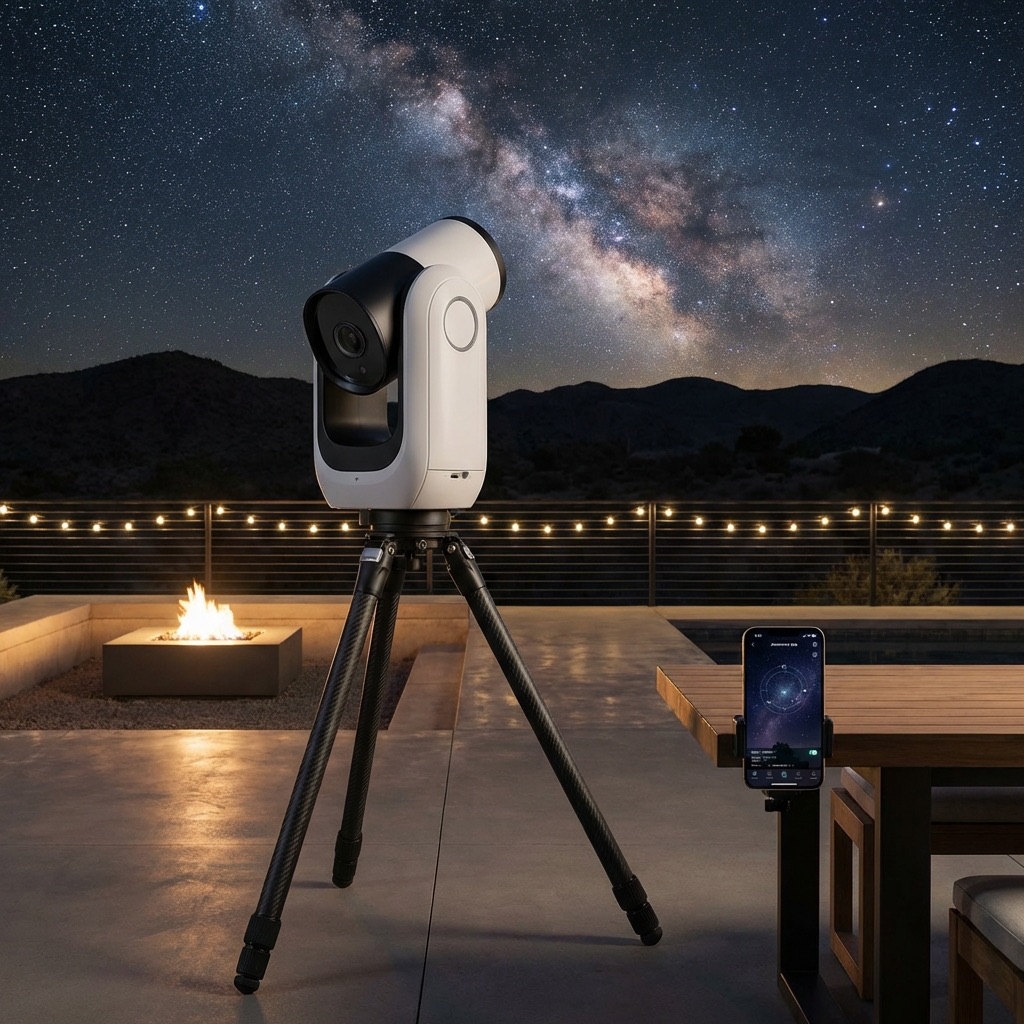
A smart telescope is an all-in-one astrophotography robot. It combines:
- Optics: A fast lens or telescope tube.
- Sensor: A built-in high-sensitivity camera (often Sony Starvis).
- Computer: An onboard Raspberry Pi-like computer that handles "plate solving" (knowing where it is) and "live stacking" (combining images in real-time).
- Mount: A motorized alt-azimuth mount that tracks the sky.
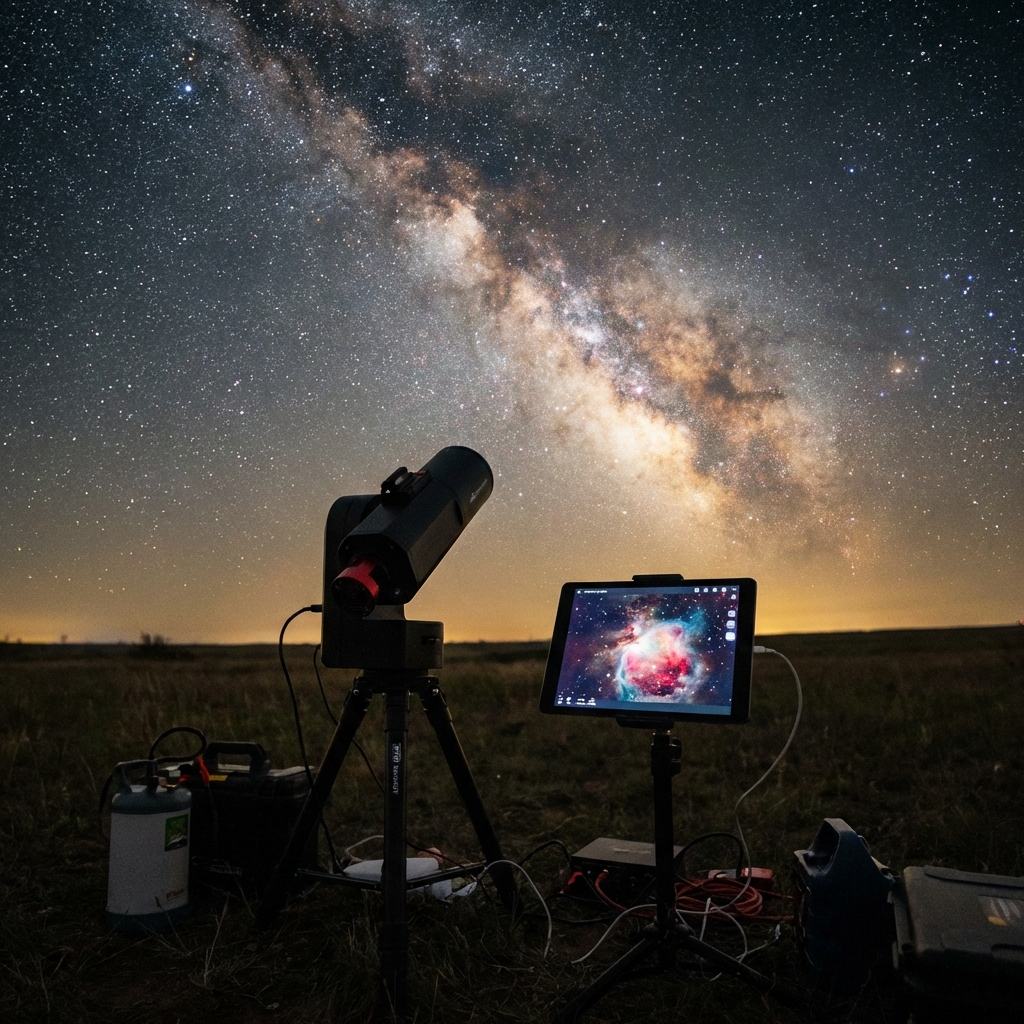
The User Experience: You set it down, press "On", and open an app. The telescope finds its own location using GPS, focuses itself, finds the target you select, and starts building an image on your phone screen.
No Polar Alignment
Set it down anywhere. It uses plate-solving to orient itself.
Light Pollution
Built-in filters and stacking algorithms cut through city lights.
Solar Ready
Most come with solar filters for safe sun viewing.
02The Budget King: Seestar S50
The ZWO Seestar S50 changed everything. For the price of a mid-range eyepiece, you get a fully functional deep-sky imaging rig.
It uses a 50mm Triplet Apochromatic lens and the IMX462 sensor. It's tiny, weighs nothing, and produces incredible images of bright nebulae like Orion and Rosetta.
Who is this for? Beginners, travelers, and EAA (Electronically Assisted Astronomy) enthusiasts who want a 'grab and go' rig.
ZWO Seestar S50
“The tiny robot that disrupted the entire industry.”
RATIONALE
It simply works. There is no lower barrier to entry for deep sky imaging. The dual-band filter is built-in!
03The Premium Experience: Celestron Origin
If the Seestar is a fun toy, the Celestron Origin is a scientific instrument. It features a 6-inch RASA (Rowe-Ackermann Schmidt Astrograph) optical system at f/2.2.
Why pay more?
- Speed: f/2.2 is blisteringly fast. It gathers light ~20x faster than traditional f/10 scopes.
- Resolution: 6 inches of aperture resolves far more detail in galaxies.
- Sensor: Uses the larger IMX178 color sensor.
It's an observatory in a box.
Celestron Origin
“The ultimate all-in-one intelligent home observatory.”
RATIONALE
The RASA optics are legendary. Putting them in an automated package is a dream come true for serious imagers who lack time.
04The Middle Ground: Dwarf 3
Dwarflab's Dwarf 3 improves on the cult-classic Dwarf 2. It's even smaller than the Seestar—literally pocket-sized—but packs dual cameras (telephoto and wide-angle) for easier framing.
It's the ultimate hiking companion. While the optics aren't quite as sharp as the Seestar's triplet, the software panorama features allow you to shoot massive mosaics automatically.
Don't waste a clear-night chance
Get the field checklist, then use DarkestHour to decide if tonight's sky is actually worth your time, setup or travel.
Learn first. Decide with the map.
DarkestHour guides are free trust builders. Use them to understand conditions, then use Pro for saved spots, alerts and best-night decisions.
Find Your Darkest Sky
Use our real-time satellite maps to find locations with zero light pollution.
Launch Interactive MapYour Learning Roadmap
You've mastered the astrophotography basics. The next logical step in your technical progression is mastering astrophotography workflows.
MANDATORY FIELD EQUIPMENT
Celestron NexStar 8SE
The gold standard for deep-sky observation. 203mm aperture for maximum light gathering.
ZWO Seestar S50
Fully robotic imaging system. Perfect for urban environments and rapid deployment.
Peak Design Travel Tripod
Zero-latency stability for long exposure astrophotography. Carbon fiber construction.
Continue Your Research
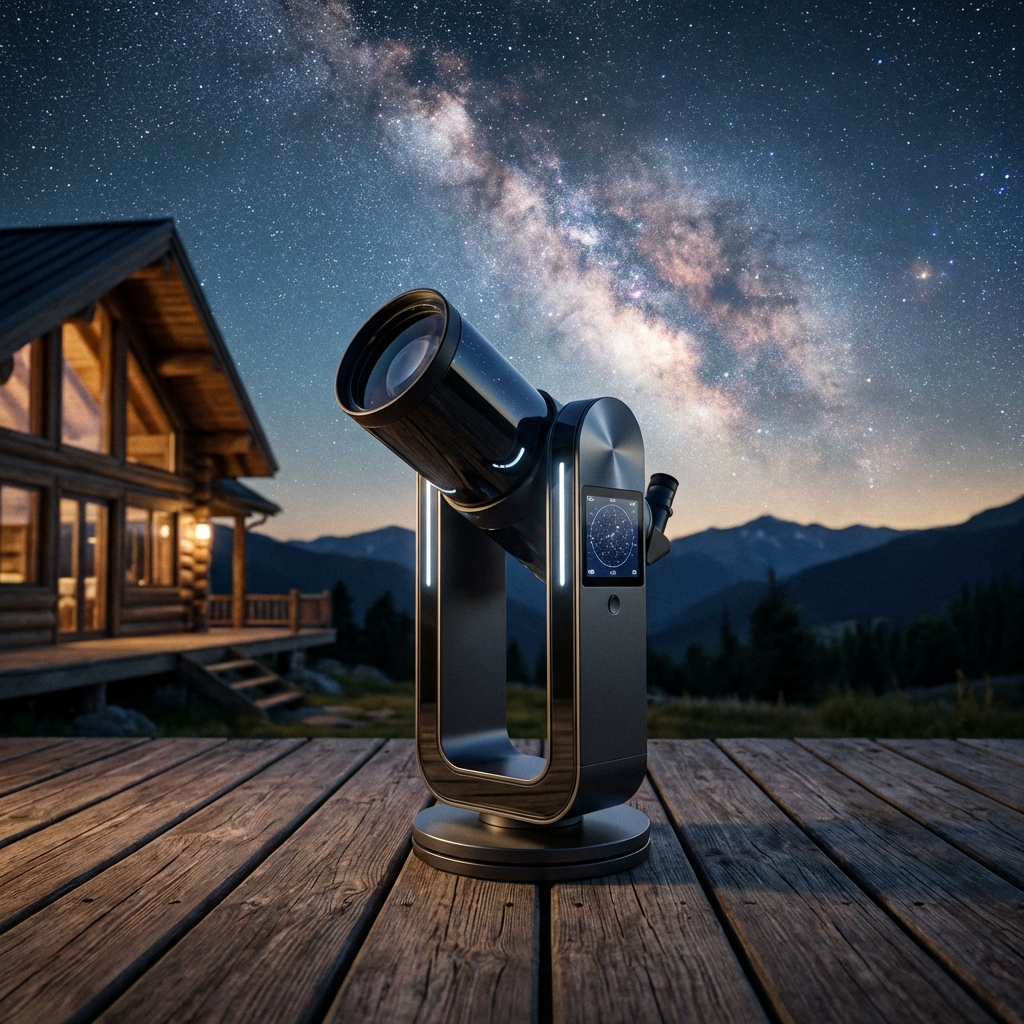
Dwarf III Review: The Ultimate Pocket-Sized Smart Telescope
Tiny but powerful. Discover why the Dwarf III is the best travel telescope for wide-field astrophotography and wildlife spotting.
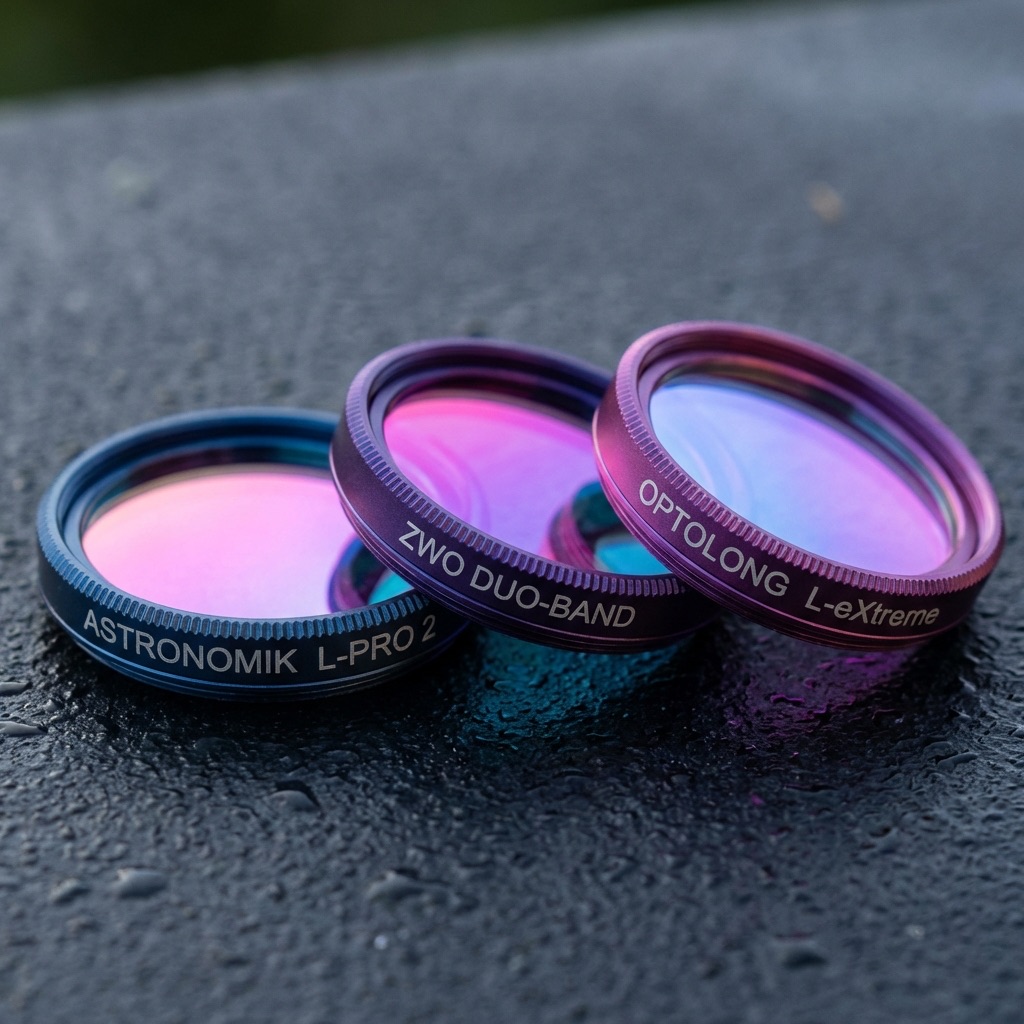
Best Astronomy Filters (2026): City Light Solutions
The dark sky cheat code. We review the best light pollution filters (Optolong L-Extreme, Antlia, SvBony) for city astrophotography.
ZWO Seestar S50 Deep Dive: City Astrophotography Made Easy
The Seestar S50 is a game-changer for urban observers. Learn how to capture stunning nebulae from your backyard in minutes.
End of Dossier • Research Complete