
The Ultimate Guide to Stargazing Near Denver
Finding a truly dark sky near Denver can feel impossible with the ever-growing light dome. However, if you know where to drive, there are still pristine pockets of darkness waiting to be explored.
DH Research Lab
Data & Editorial Board
Expert Tested Gear & Affiliate Disclosure
This guide contains affiliate links. As an Amazon Associate, we earn from qualifying purchases.
01When to Leave the City
The key to stargazing near Denver is timing the weather. Allow at least an hour of driving time past the suburban perimeter to let your eyes adjust to the dropping light pollution.
02Colorado's Dark Sky Advantage
Why Colorado ranks among the best stargazing states:
High Altitude: Most locations are 8,000-12,000 feet. You're above significant atmosphere, meaning sharper stars and better transparency.
Dry Climate: The Front Range averages 300+ days of sunshine. Low humidity means excellent seeing conditions.
Mountain Terrain: Light from cities is blocked by ridges. Drive over one pass and the glow disappears.
Timing Note: Summer brings afternoon thunderstorms. Plan for early evening clearing or pre-dawn sessions.
Bortle Ratings
031. Great Sand Dunes National Park
Distance from Denver: 3.5 hours | Bortle Class: 2 | Best For: Photography, extreme darkness
The tallest dunes in North America create the most unique astrophotography foreground in Colorado—possibly in America. Designated an International Dark Sky Park, Great Sand Dunes offers Bortle 2 skies.
Photography Spots:
- Dunes themselves — Hike in at sunset, stay for stars
- Medano Creek area — Water reflections in spring/early summer
- Zapata Falls road — Elevated views of dunes and stars
Challenge: The 700-foot dune climb is exhausting. Start early and bring more water than you think.
Black Diamond Spot 400-R Headlamp
“Red mode + 400 lumens for dune hiking safety.”
RATIONALE
Climbing sandy dunes in darkness requires serious lighting for the hike, then red mode for photography. This does both.
042. Rocky Mountain National Park
Distance from Denver: 1.5 hours | Bortle Class: 3-4 | Best For: Accessible mountain stargazing
RMNP is the most accessible high-altitude dark sky from Denver. Trail Ridge Road crests above 12,000 feet, putting you above significant atmosphere with 360° mountain views.
Key Locations:
- Bear Lake — Iconic location, popular with photographers
- Many Parks Curve — Pullout with sweeping valley views
- Alpine Visitor Center — Highest point accessible by car (closed after hours)
Summer Note: Trail Ridge Road closes seasonally (typically late October - late May). Check conditions.
Elevation
Views from 9,000-12,000 feet—above much of the atmosphere.
Alpine Lakes
Bear Lake offers perfect reflections of stars and peaks.
Wildlife
Elk are everywhere at dusk. Drive carefully returning at night.
053. Westcliffe (Dark Sky Community)
Distance from Denver: 2.5 hours | Bortle Class: 3 | Best For: Accessible town with dark sky commitment
Westcliffe and neighboring Silver Cliff are designated International Dark Sky Communities. The towns actively maintain dark-sky-friendly lighting, and the Sangre de Cristo mountains provide stunning backdrops.
Why Visit:
- Town amenities (lodging, food) with genuinely dark skies
- Smokey Jack Observatory offers public viewing nights
- Annual Dark Skies Festival each September
The View: The Sangre de Cristo range rises dramatically to the west—perfect silhouettes against starry skies.
Celestron SkyMaster 25x70 Binoculars
“Powerful binoculars for deep sky scanning.”
RATIONALE
In truly dark skies, 70mm binoculars reveal the Andromeda Galaxy as an extended glow and show hundreds of stars in the Pleiades.
064. Jackson Lake State Park
Distance from Denver: 1.5 hours | Bortle Class: 4 | Best For: Closest dark sky, easy camping
Jackson Lake is the closest designated dark sky to Denver. It won't rival Great Sand Dunes, but for a quick overnight trip, it delivers solid Bortle 4 skies with easy camping.
Practical Details:
- Reservoir for daytime swimming/boating
- Campground with hookups available
- Just off I-76, easy highway access
Best Strategy: Arrive for sunset, set up camp, observe until you're tired, sleep at the site.
Learning Ground
075. Black Canyon of the Gunnison
Distance from Denver: 4 hours | Bortle Class: 3 | Best For: Dramatic canyon views, certified dark sky
The Black Canyon earned International Dark Sky Park status for good reason. The 2,000-foot sheer canyon walls create an otherworldly setting for stargazing.
Viewing Spots:
- South Rim Campground — Designated dark sky viewing area
- Chasm View — Stunning canyon overlook
- Painted Wall View — Colorado's tallest cliff face
Astronomical Programs: Rangers lead night sky programs during summer. Check the schedule.
Certified Dark Sky
International Dark Sky Park status since 2015.
Canyon Acoustics
The silence is nearly absolute—just you and the stars.
South vs North
South Rim is more accessible; North Rim is even darker.
086. Florissant Fossil Beds National Monument
Distance from Denver: 1.5 hours | Bortle Class: 4 | Best For: Day fossils + night stars combo
Florissant protects 34-million-year-old fossils during the day and holds astronomy programs at night. It's close enough for an evening trip from Denver.
Program Details:
- Regular night sky programs during summer
- Telescope viewing with park rangers
- Excellent for families and beginners
Note: The monument closes at sunset unless you're attending a scheduled program. Check the calendar.
Orion StarBlast 4.5 Astro Reflector
“Portable tabletop telescope for quick sessions.”
RATIONALE
Light enough to carry anywhere, powerful enough to show Saturn's rings. Perfect for impromptu stargazing.
097. Steamboat Springs Area
Distance from Denver: 3 hours | Bortle Class: 3-4 | Best For: Combining skiing/resort town with stargazing
Steamboat Springs offers a unique combination: resort-town amenities during the day and legitimately dark skies at night. Drive 15-20 minutes from town and you're in Bortle 3-4 territory.
Where to Go:
- Rabbit Ears Pass — Easy access pullouts
- Stagecoach State Park — Dark skies with camping
- North of town — Routt National Forest roads
Winter Bonus: Ski during the day, stargaze at night. Winter skies are especially crisp at elevation.
Hot Springs + Stars
10Colorado Stargazing Essentials
High Altitude Considerations:
- Drink extra water (altitude accelerates dehydration)
- Dress warmer than expected (temperatures drop fast after sunset)
- Allow time to acclimate before physical activity (dune climbing, hiking)
Gear:
- Red LED headlamp
- Warm layers (down jacket even in summer)
- Hand warmers
- Camera with fast wide lens
- Tripod rated for wind
Seasonal Notes:
- Summer: Afternoon thunderstorms; best windows are 10 PM - 3 AM after weather clears
- Fall: Most reliable clear skies, Milky Way season finale
- Winter: Coldest but clearest; Orion and winter constellations dominate
- Spring: Variable; check forecasts carefully
Altitude
8,000+ feet means less oxygen and colder nights.
Weather
Conditions change fast in the mountains. Check forecasts.
Reservations
National park camping often requires advance booking.
Don't waste a clear-night chance
Get the field checklist, then use DarkestHour to decide if tonight's sky is actually worth your time, setup or travel.
Learn first. Decide with the map.
DarkestHour guides are free trust builders. Use them to understand conditions, then use Pro for saved spots, alerts and best-night decisions.
Find Your Darkest Sky
Use our real-time satellite maps to find locations with zero light pollution.
Launch Interactive MapPlan Your Deployment
Ready to experience these dark skies yourself? Use our interactive map to find the best dark-sky certified hotels, desert cabins, and observatories near this location.
Booking through this map supports Darkest Hour's light pollution research.
Your Learning Roadmap
You've mastered the guide basics. The next logical step in your technical progression is mastering astrophotography workflows.
MANDATORY FIELD EQUIPMENT
Celestron NexStar 8SE
The gold standard for deep-sky observation. 203mm aperture for maximum light gathering.
ZWO Seestar S50
Fully robotic imaging system. Perfect for urban environments and rapid deployment.
Peak Design Travel Tripod
Zero-latency stability for long exposure astrophotography. Carbon fiber construction.
Continue Your Research
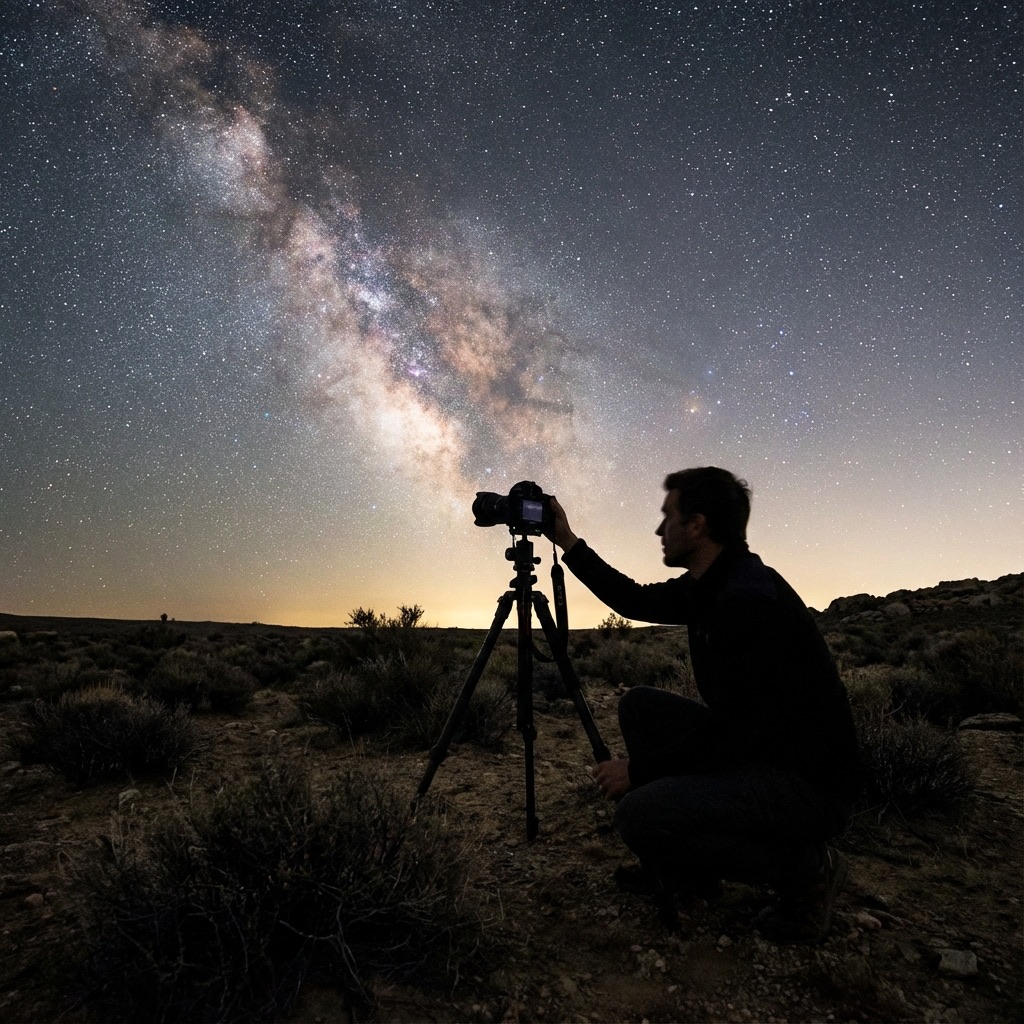
Astrophotography on a Budget: Milky Way for Under $500
Learn to photograph the night sky with affordable equipment. Our complete gear guide shows you how to capture the Milky Way for under $500.
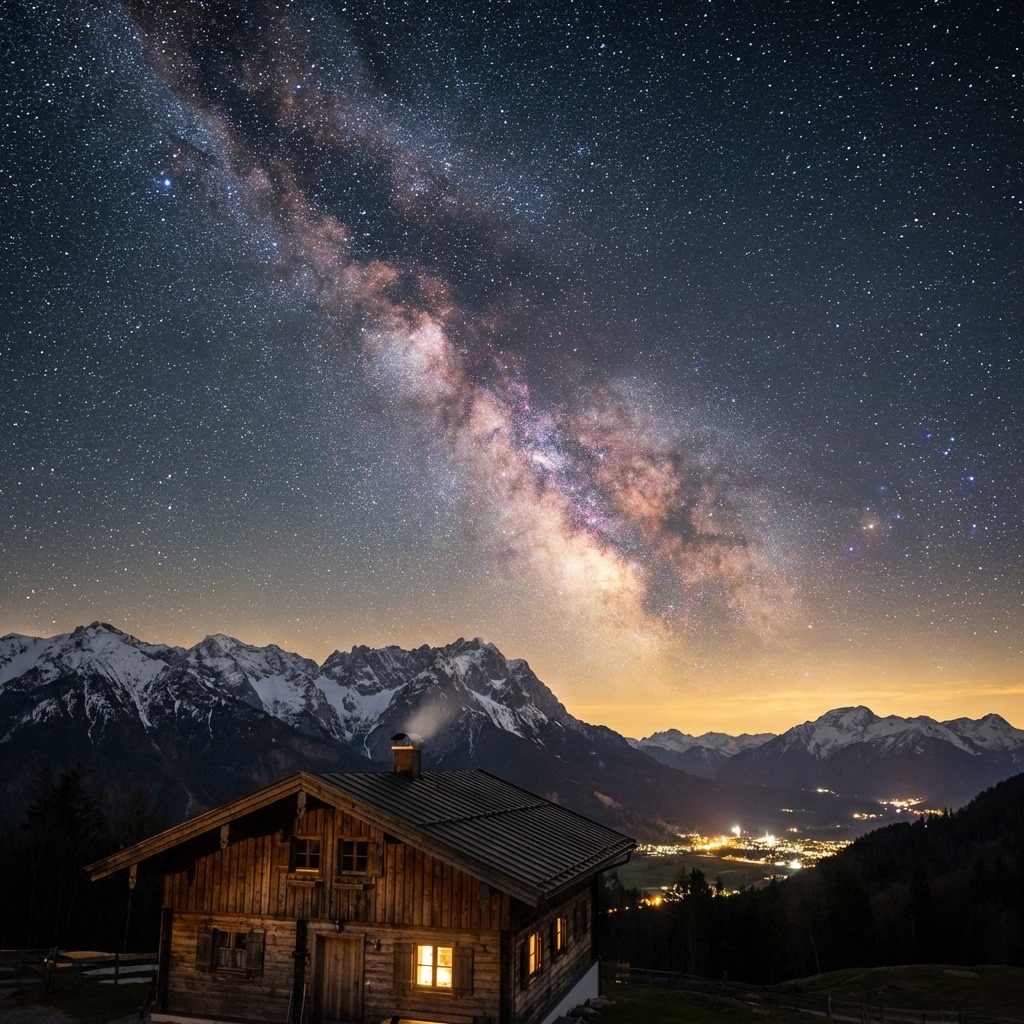
Best Stargazing Near Munich: 6 Alpine Dark Sky Escapes
Alpine stars await! 6 incredible dark sky spots near Munich—Berchtesgaden, Wendelstein, and the Austrian High Alps. Your guide to mountain stargazing.
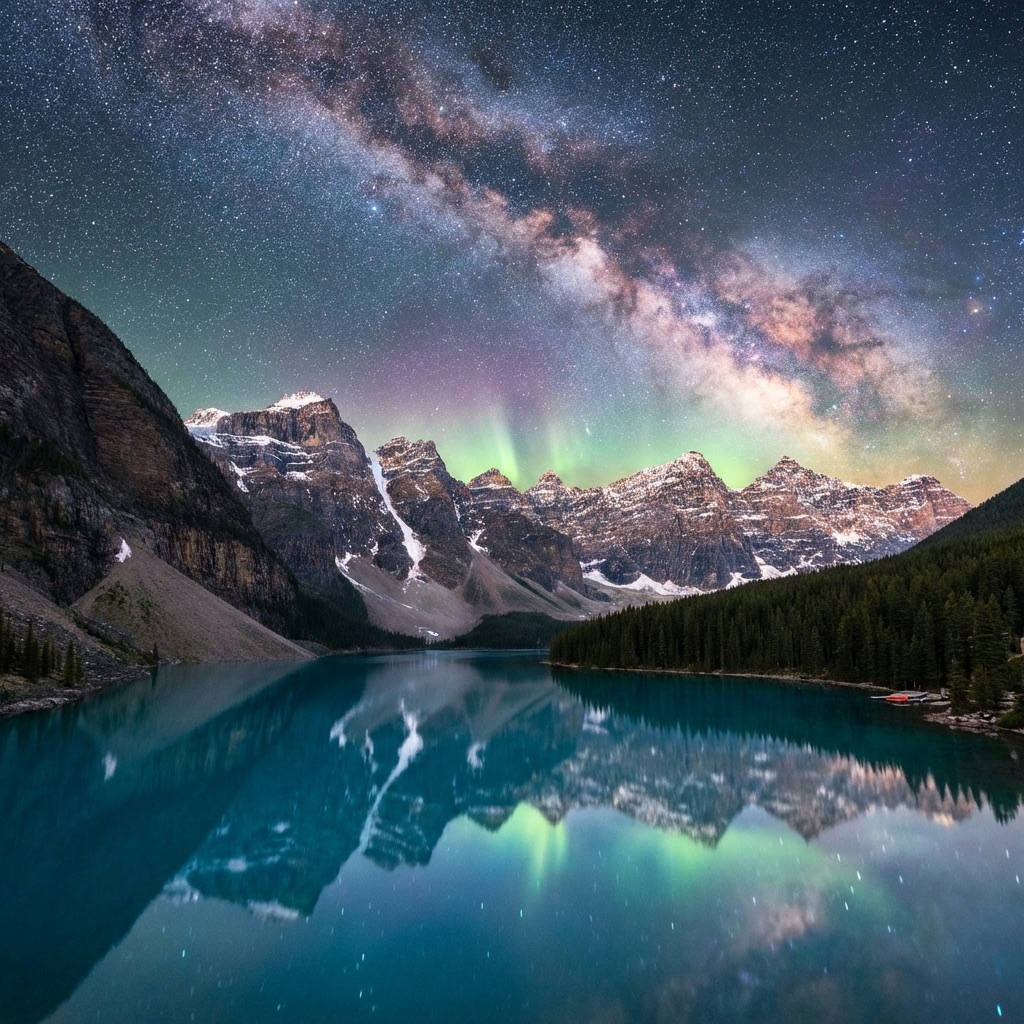
Stargazing in Banff: 6 Canadian Rockies Escapes
Glacial stars await! 6 spots in Banff National Park—Lake Louise, Icefields Parkway, and Peyto Lake. Your guide to Rockies' stargazing.
End of Dossier • Research Complete