City Astrophotography Workflow: From Your Balcony to the Stars
Living in a city shouldn't stop you from being an astrophotographer. In 2026, light pollution is an obstacle, not a wall. This comprehensive workflow guide teaches you how to use modern hardware and software to bypass the orange dome and capture high-contrast images of the deep sky from your own backyard or balcony.
DH Research Lab
Data & Editorial Board
Expert Tested Gear & Affiliate Disclosure
This guide contains affiliate links. As an Amazon Associate, we earn from qualifying purchases.
01Hardware: The Filter is Your Best Friend
In the city, light pollution (broadband glow) drowns out the signal from nebulae. You need to narrow your focus.
1. Narrowband / Dual-Band Filters: These act like a 'security guard' for your sensor. They only allow H-Alpha (Red) and O-III (Teal) wavelengths through, effectively ignoring 90% of the light from street lamps.
2. The Smart Scope Advantage: Devices like the Seestar S50 or Celestron Origin have these filters built-in and optimized for their sensors, making city work a 'one button' process.
Duo-Narrowband
Essential for capturing red emission nebulae in high-pollution areas.
Short Focal Length
Avoid 'tracking errors' caused by building vibrations in urban environments.
Remote Operation
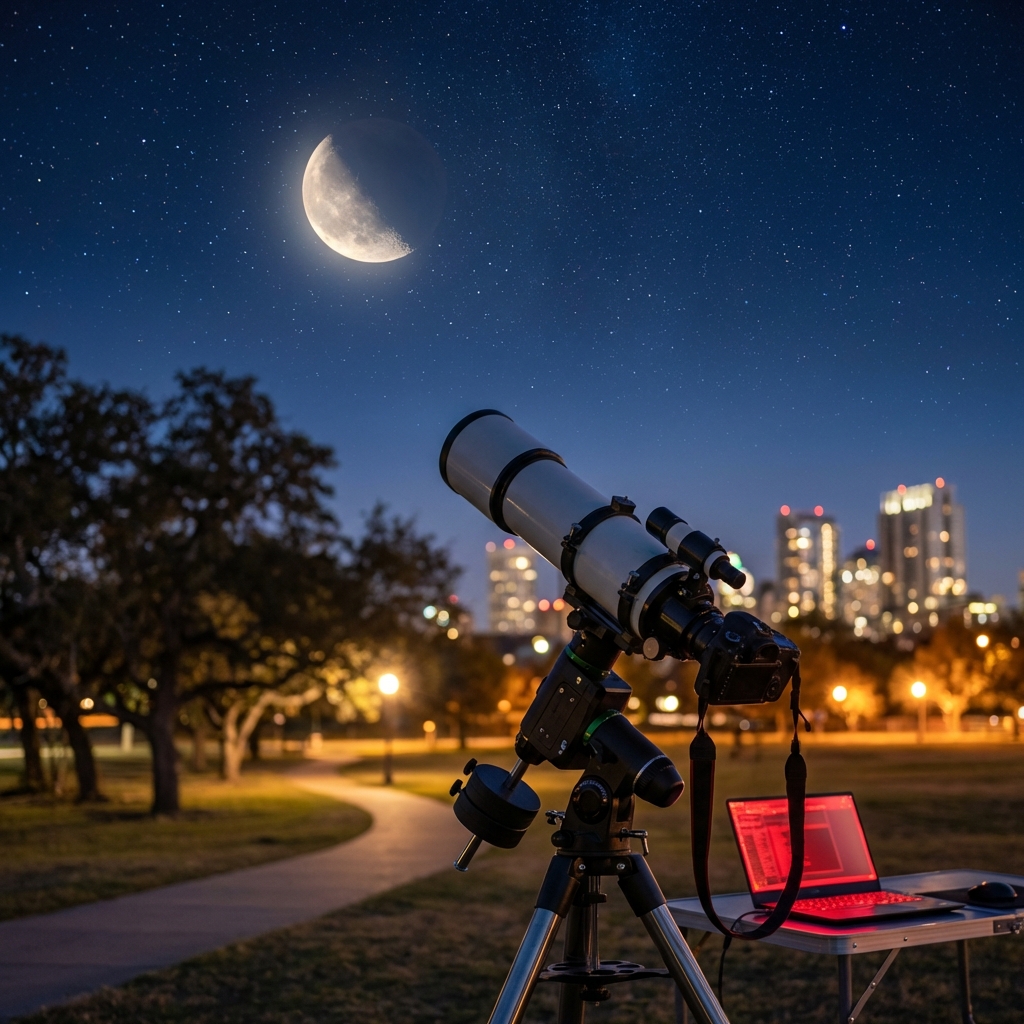
Image from inside your house while the scope sits on the balcony.
02Software: The Gradient Extraction Secret
Even with the best filters, your image will have an uneven 'wash' of light. This is called a gradient.
The Fix: Use software like PixInsight (GraXpert) or Siril. These tools can mathematically model the background glow and subtract it from your image, leaving behind the 'dark' space and the 'bright' nebula.
Workflow Step: Always perform 'Dynamic Background Extraction' as the very first step in your post-processing. It's the difference between a grey blob and a vibrant nebula.
03Target Selection: Know What You Can Win
Don't fight the physics. Some targets are much easier in the city than others:
- Winners (Emission Nebulae): Orion, North America, Lagoon, Eagle, Swan. These emit their own light at specific wavelengths that filters can isolate.
- Hard Mode (Galaxies & Reflection Nebulae): Andromeda, Triangulum, Pleiades. These emit 'broadband' light, meaning a filter that cuts light pollution will also cut the galaxy's light. These require 5x more exposure time in the city.
04The Urban Checklist
Before you start your city session, ensure:
- Shield your scope: Use a 'light shield' or cardboard to block direct light from nearby street lamps or neighbor's porch lights.
- Turn off internal house lights: Light leaking through your own windows can cause reflections on your lens.
- Patience: You need roughly 4x to 10x more 'Total Integration Time' in a Bortle 9 city to get the same results as a 1-hour shot in the desert.
Frequently Asked Questions
Q:Can I do astrophotography in a Bortle 9 city?
Yes. While challenging, city astrophotography is entirely possible using narrowband or dual-band filters that block light pollution wavelengths and advanced software techniques like gradient extraction. Modern 'Smart Telescopes' are particularly effective at urban imaging.
Q:What is the best filter for city astrophotography?
A 'Duo-Narrowband' filter is the best choice for city imaging with a color camera. It isolats the H-Alpha and OIII wavelengths, which are the primary light sources of emission nebulae, while blocking nearly all street lamp and urban glow.
Q:How much more exposure time do I need in a city?
Generally, you need at least 4 to 10 times more total exposure time in a city (Bortle 8-9) to achieve the same signal-to-noise ratio as a single hour in a truly dark sky (Bortle 1-2). Patience and long total integration times are the keys to urban success.
Q:Why do my city photos have a green or orange wash?
This is caused by 'gradients' from local light pollution sources. It can be easily removed during post-processing using gradient extraction tools like GraXpert, Siril's Background Extraction, or PixInsight's DBE.
Q:What are the best targets to shoot from a balcony?
Emission nebulae like the Orion Nebula (M42), the Lagoon Nebula (M8), and the North America Nebula are the best targets. Objects that emit light at specific wavelengths are much easier to isolate from city lights than broadband objects like galaxies or reflection nebulae.
Don't waste a clear-night chance
Get the field checklist, then use DarkestHour to decide if tonight's sky is actually worth your time, setup or travel.
Learn first. Decide with the map.
DarkestHour guides are free trust builders. Use them to understand conditions, then use Pro for saved spots, alerts and best-night decisions.
Find Your Darkest Sky
Use our real-time satellite maps to find locations with zero light pollution.
Launch Interactive MapYour Learning Roadmap
You've mastered the guides basics. The next logical step in your technical progression is mastering astrophotography workflows.
MANDATORY FIELD EQUIPMENT
Celestron NexStar 8SE
The gold standard for deep-sky observation. 203mm aperture for maximum light gathering.
ZWO Seestar S50
Fully robotic imaging system. Perfect for urban environments and rapid deployment.
Peak Design Travel Tripod
Zero-latency stability for long exposure astrophotography. Carbon fiber construction.
Continue Your Research
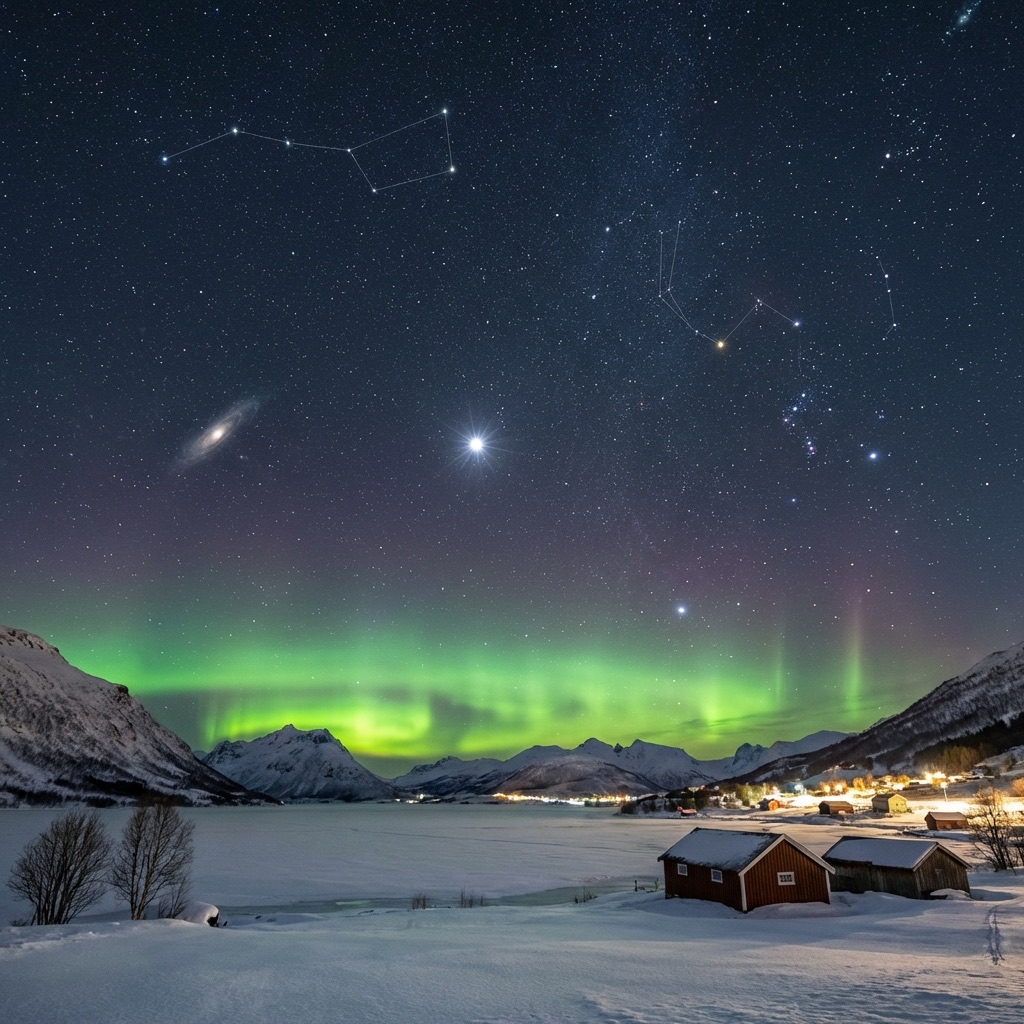
Northern Hemisphere Stargazing: Guide to Northern Icons
Master the northern night sky! Learn how to find Polaris, the Big Dipper, and Cassiopeia. The ultimate guide to northern hemisphere stargazing.
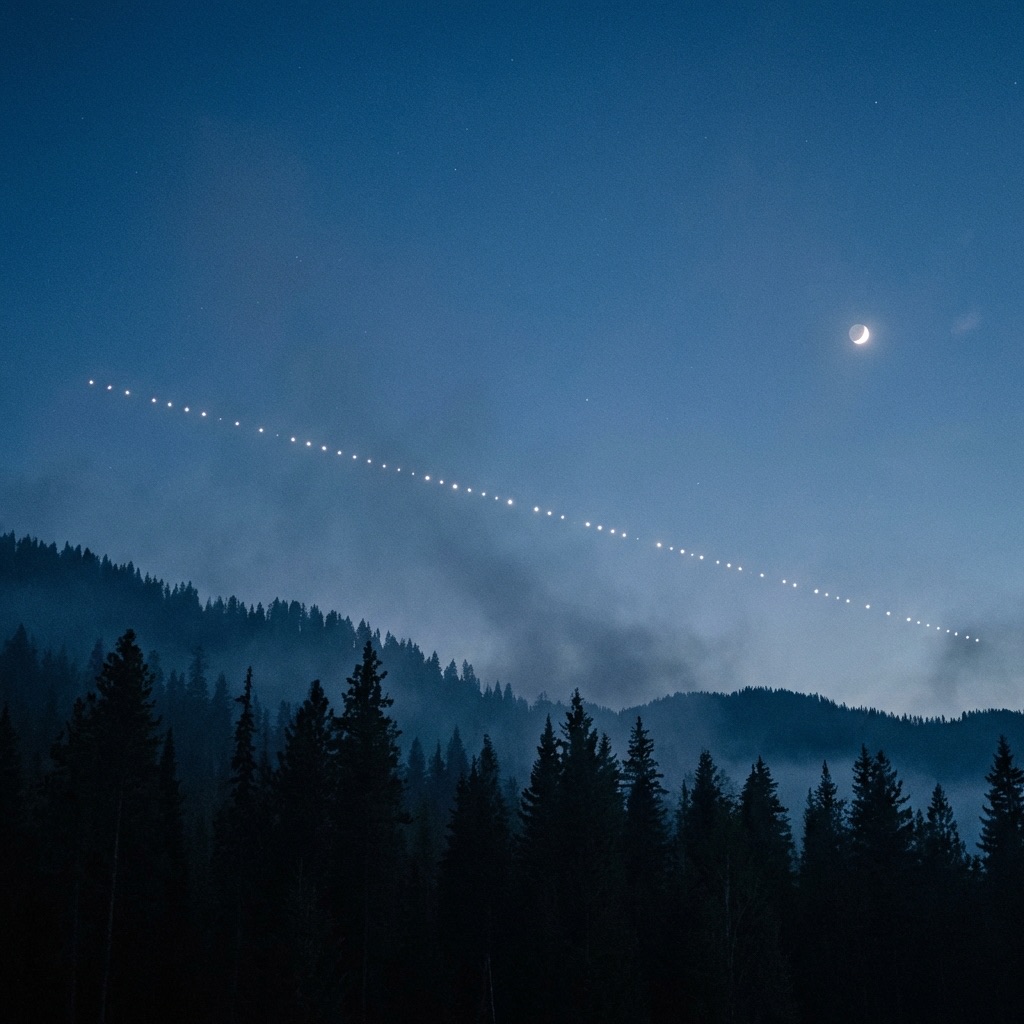
How to See Starlink Satellite Trains: A Beginner's Guide
Surreal and bright! Learn how to find, track, and photograph Starlink satellite trains glide across the night sky with our 2026 spotting guide.
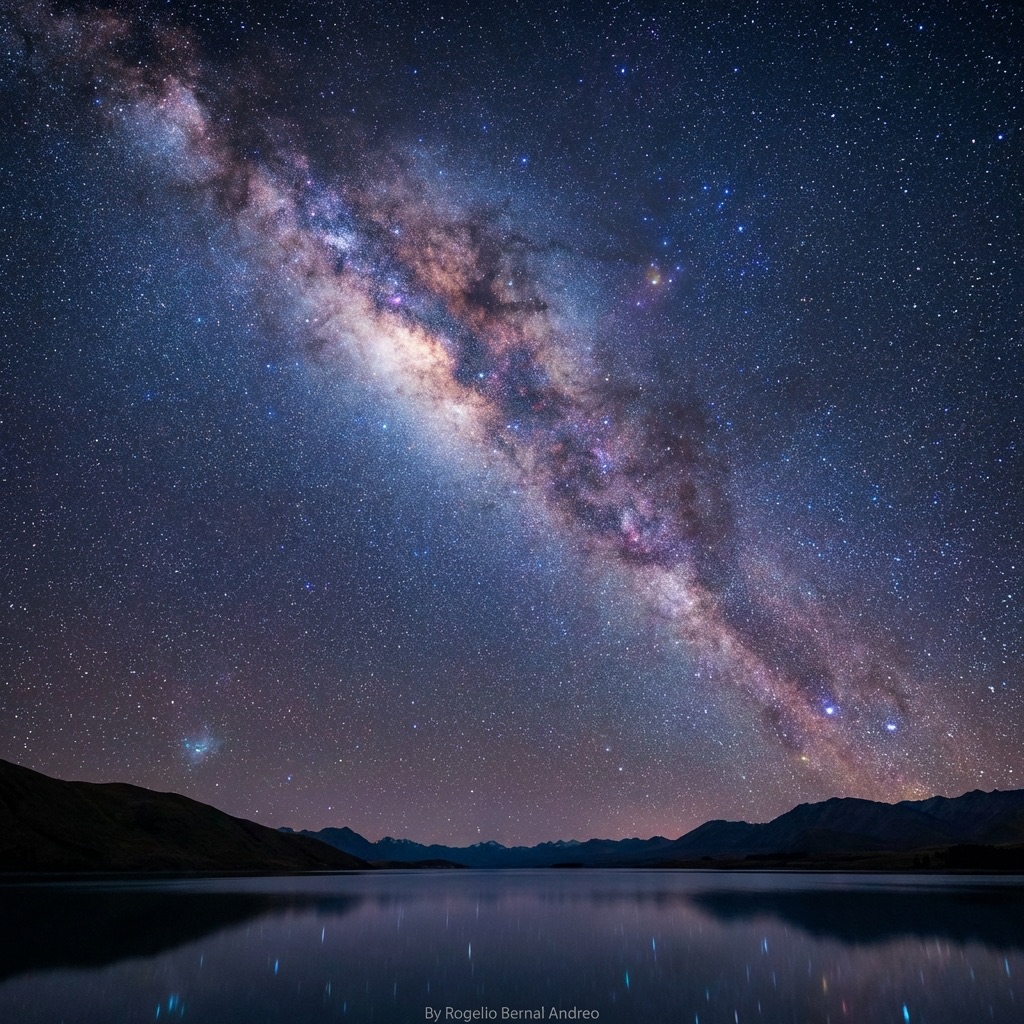
The Ultimate Guide to Southern Hemisphere Stargazing
Master the southern icons! From the Magellanic Clouds to the Emu in the Sky, discover what makes the southern night sky superior. The ultimate guide.
End of Dossier • Research Complete