Chicago Stargazing: The Best Dark Sky Escapes
The artificial skyglow of Chicago drowns out most celestial objects, leaving only the brightest planets visible. But just a few hours away, the true night sky emerges. Here is where local astronomers go to find the stars.
DH Research Lab
Data & Editorial Board
Expert Tested Gear & Affiliate Disclosure
This guide contains affiliate links. As an Amazon Associate, we earn from qualifying purchases.
01When to Leave the City
The key to stargazing near Chicago is timing the weather. Allow at least an hour of driving time past the suburban perimeter to let your eyes adjust to the dropping light pollution.
02Midwest Dark Sky Reality
Let's be honest: the Midwest faces challenges other regions don't:
Urban Concentration: Chicago, Milwaukee, Detroit, and the interconnected suburbs create an extended light dome across much of the region.
Flat Terrain: No mountains to block light. You need distance, not elevation.
Weather: Cloud cover is frequent. Be flexible with dates and ready to chase clear skies.
The Payoff: When conditions align, Midwest dark skies are excellent. And the lack of crowds at remote sites is a genuine advantage.
Clear Sky Charts
031. Headlands International Dark Sky Park (Michigan)
Distance from Chicago: 5 hours | Bortle Class: 3-4 | Best For: Closest certified dark sky park
The Headlands in Mackinaw City is a jewel—1,600 acres on the Straits of Mackinac with certified dark sky status. It's the most accessible designated dark sky from Chicago.
Features:
- Dedicated observing area with picnic tables
- Telescopes available during programs
- Beaches along the straits for wide horizon views
Bonus: Located at the tip of the Lower Peninsula, you can combine with a Mackinac Island visit.
Orion 10x50 Binoculars
“Classic astronomy binoculars—perfect for wide-field scanning.”
RATIONALE
In a dark sky park, binoculars reveal structure in the Milky Way, star clusters, and the Andromeda Galaxy as an extended glow.
042. Cherry Springs State Park (Pennsylvania)
Distance from Chicago: 8 hours | Bortle Class: 2 | Best For: Darkest site in the eastern US
Cherry Springs is legendary among East Coast astronomers—one of the few Bortle 2 sites east of the Mississippi. The dedicated night sky viewing area has strict lighting rules and a community of serious observers.
What Makes It Special:
- Surrounded by Susquehannock State Forest
- Dedicated astronomy field with electricity for equipment
- Overnight observing permitted (registration required)
Reality Check: It's 8+ hours from Chicago. Plan for a full weekend minimum.
Bortle 2
Among the darkest accessible sites east of the Rockies.
Astronomy Culture
You'll observe alongside experienced amateur astronomers.
Rules Enforced
White lights are strictly prohibited in the observing field.
053. Door County (Wisconsin)
Distance from Chicago: 4 hours | Bortle Class: 4-5 | Best For: Weekend getaway with OK skies
Door County won't rival dedicated dark sky parks, but the peninsula's relative isolation makes it far darker than anywhere near Chicago. Combine stargazing with the tourist-friendly town charm.
Where to Go:
- Newport State Park — Designated Dark Sky Park, northernmost tip
- Whitefish Dunes — Beach access, eastern horizon
- Ferry to Washington Island — Even less light pollution
Best Season: Fall offers clearer skies and fewer tourists than summer.
Thermacell Mosquito Repeller
“Essential for Midwest summer stargazing—keeps bugs away.”
RATIONALE
Wisconsin mosquitoes are legendary. This device creates a 15-foot bug-free zone so you can actually enjoy the night.
064. Voyageurs National Park (Minnesota)
Distance from Chicago: 7 hours | Bortle Class: 2-3 | Best For: Pristine wilderness, water access
Voyageurs protects a vast water wilderness along the Canadian border. With no roads through the main park areas and minimal surrounding development, the night skies are exceptional.
Access:
- Most areas accessible only by boat
- Houseboats and canoe camping available
- Visitor centers offer evening programs
Unique Experience: Watching stars while anchored in a remote lake is unforgettable.
Northern Lights Possible
075. Indiana Dunes National Park
Distance from Chicago: 1 hour | Bortle Class: 5-6 | Best For: Closest option for quick session
Let's be clear: Indiana Dunes isn't dark. But it's an hour from downtown Chicago and offers a horizon view over Lake Michigan. For Milky Way viewing, go elsewhere. For casual stargazing or eclipse viewing, it works.
What to Expect:
- Decent planetary viewing (bright objects cut through light pollution)
- Beach access with eastern/northern horizons
- Occasional astronomy programs through the park
Realistic Use: A quick evening session when you can't make a longer trip.
Accessible
Just over an hour from downtown Chicago.
Limited Darkness
Chicago light dome affects all southern sky views.
Lake Effect
Lake Michigan creates its own weather—clouds can form rapidly.
086. Dr. T.K. Lawless Park (Michigan)
Distance from Chicago: 2 hours | Bortle Class: 4 | Best For: Closest quality dark sky
Dr. T.K. Lawless Park in Cass County, Michigan is a hidden gem—a county park with active astronomy programming and genuinely decent skies just 2 hours from Chicago.
Features:
- Astronomy Hill with designated observing area
- Monthly public star parties
- Camping available
Pro Tip: Check the Friends of Dr. T.K. Lawless Park calendar for scheduled astronomy events. Local clubs bring serious equipment.
Zero Gravity Folding Chair
“Recline fully for comfortable overhead viewing.”
RATIONALE
Stargazing means looking UP for hours. A zero-gravity chair lets you observe the zenith without neck strain.
09Midwest Stargazing Essentials
Bug Protection:
- Mosquitoes and black flies are aggressive May-September
- DEET, permethrin-treated clothing, or a Thermacell are essential
- Long sleeves and pants even on warm nights
Weather Flexibility:
- Cloud cover is common; have backup dates
- Check forecasts obsessively
- Be willing to drive toward clear skies
Gear:
- Red LED headlamp
- Warm layers (even summer nights can be cool by 3 AM)
- Binoculars (wide fields work well)
- Bug spray/Thermacell
- Thermos with hot drinks
Best Seasons:
- August-September: Best balance of warm nights and dark
- October-November: Clearer skies, but cold
- Winter: Outstanding clarity, but brutal cold requires serious preparation
Winter Reality
Frequently Asked Questions
Q:Where is the darkest place within a 3-hour drive of Chicago?
Dr. T.K. Lawless County Park in Cass County, Michigan is the darkest spot within a 2-hour drive (Bortle 4). For even darker skies (Bortle 3), you'll need to drive 4-5 hours to Newport State Park in Wisconsin or The Headlands in Michigan.
Q:Can I see the Northern Lights from Chicago?
It is very rare to see the Aurora from Chicago due to both latitude and extreme light pollution. However, during strong solar storms (Kp 6+), the Northern Lights can be seen and photographed from dark sky locations in Wisconsin or Michigan's Upper Peninsula.
Q:Is the Indiana Dunes good for stargazing?
The Indiana Dunes offer a better view than the city, but they are still heavily affected by the Chicago light dome to the west and industrial lights from Gary, Indiana. It's fine for bright objects like the Moon and planets, but not for viewing the Milky Way.
Q:What is the best time of year for stargazing in the Midwest?
Late summer (August-September) is excellent for the Milky Way and comfortable temperatures. However, 'Astronomical Winter' (December-February) often brings the clearest and most stable air, though the extreme cold requires serious preparation.
Don't waste a clear-night chance
Get the field checklist, then use DarkestHour to decide if tonight's sky is actually worth your time, setup or travel.
Learn first. Decide with the map.
DarkestHour guides are free trust builders. Use them to understand conditions, then use Pro for saved spots, alerts and best-night decisions.
Find Your Darkest Sky
Use our real-time satellite maps to find locations with zero light pollution.
Launch Interactive MapPlan Your Deployment
Ready to experience these dark skies yourself? Use our interactive map to find the best dark-sky certified hotels, desert cabins, and observatories near this location.
Booking through this map supports Darkest Hour's light pollution research.
Your Learning Roadmap
You've mastered the locations basics. The next logical step in your technical progression is mastering astrophotography workflows.
MANDATORY FIELD EQUIPMENT
Celestron NexStar 8SE
The gold standard for deep-sky observation. 203mm aperture for maximum light gathering.
ZWO Seestar S50
Fully robotic imaging system. Perfect for urban environments and rapid deployment.
Peak Design Travel Tripod
Zero-latency stability for long exposure astrophotography. Carbon fiber construction.
Continue Your Research
Your First Night Stargazing: Complete 2026 Guide
Everything you need for your first night under the stars. Learn to find dark sky locations, navigate constellations, and master stargazing with zero gear.
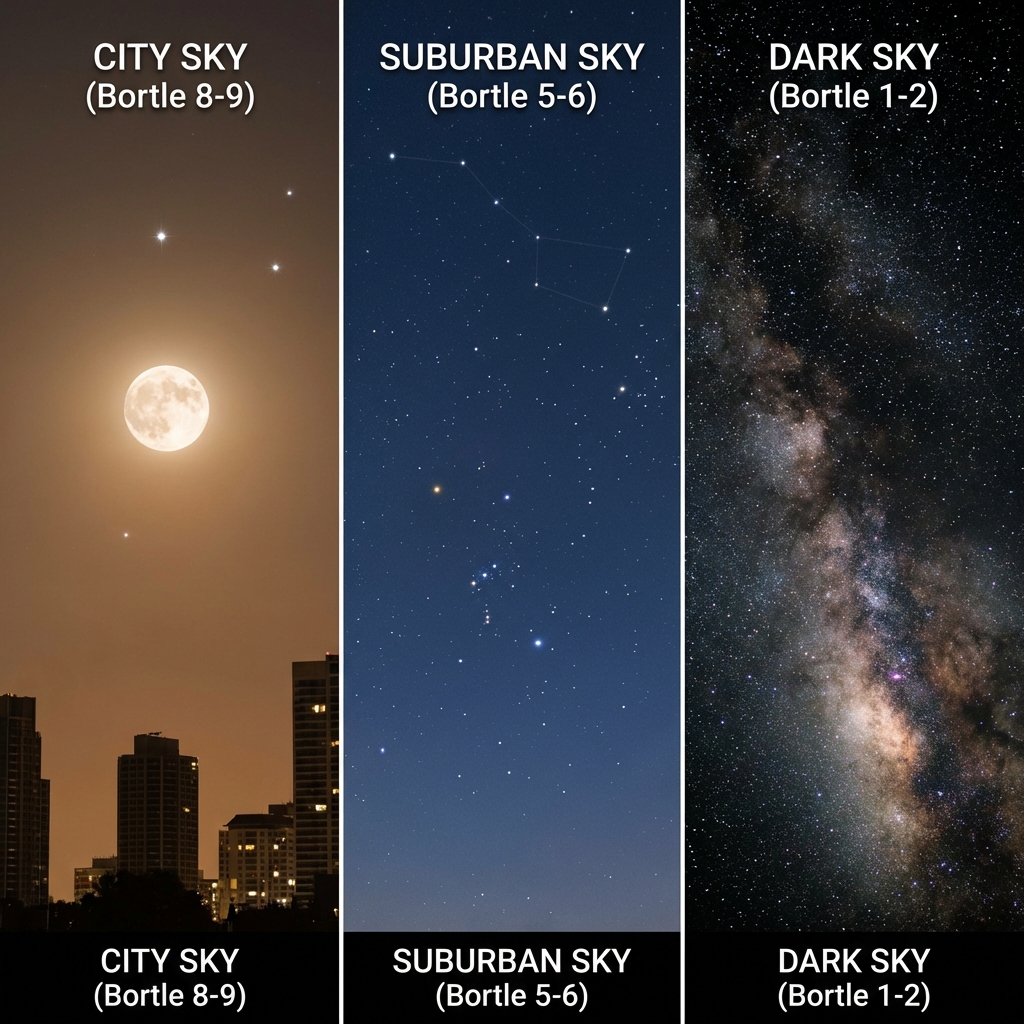
How to Read a Bortle Scale Map: The Dark Sky Cheat Code
Decode light pollution maps and understand Bortle classes 1 to 9. Use our advanced dark sky tools to find your perfect stargazing location tonight.
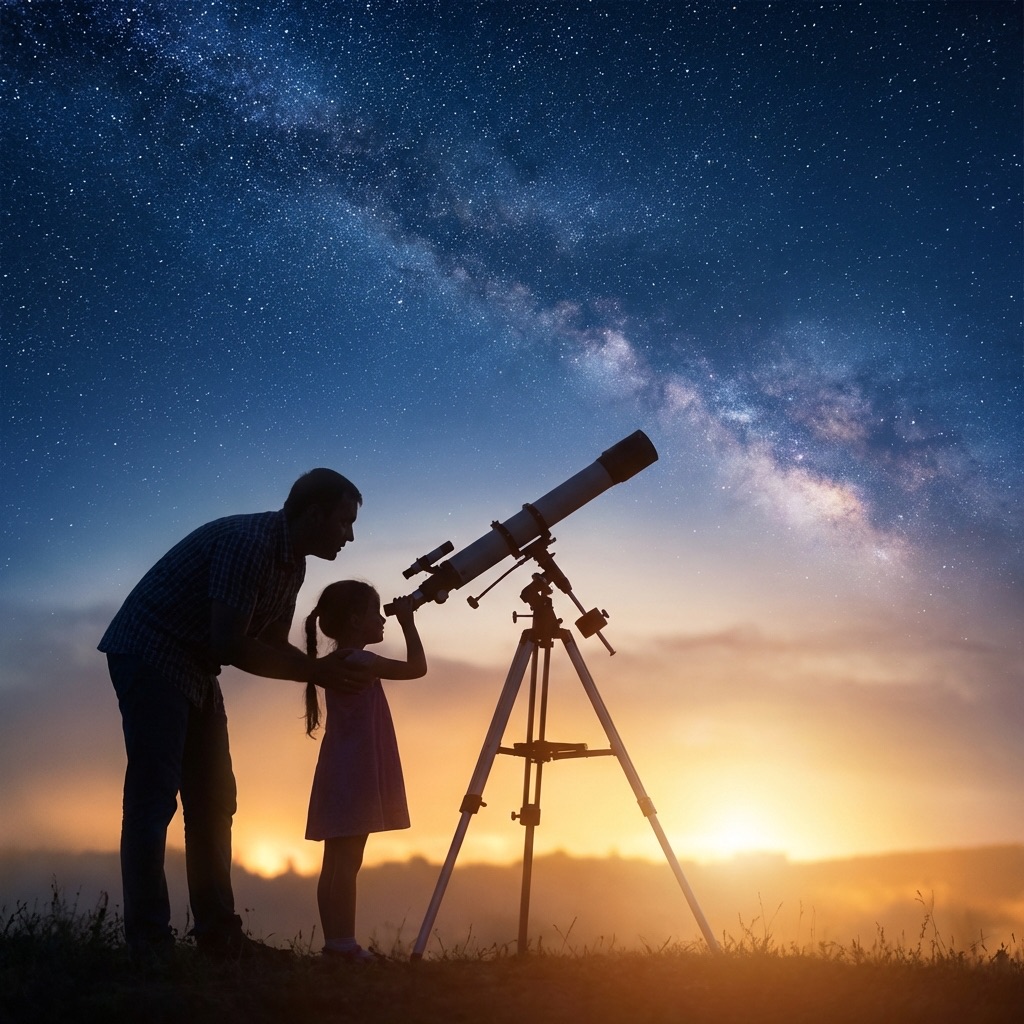
Stargazing with Kids: A Family Guide to the Night Sky
Create magical family memories with our guide to stargazing with kids. Includes age-appropriate activities, gear recommendations, and safety tips.
End of Dossier • Research Complete