
Vaonis Vespera II: The 'Luxury' Smart Telescope Experience (2026)
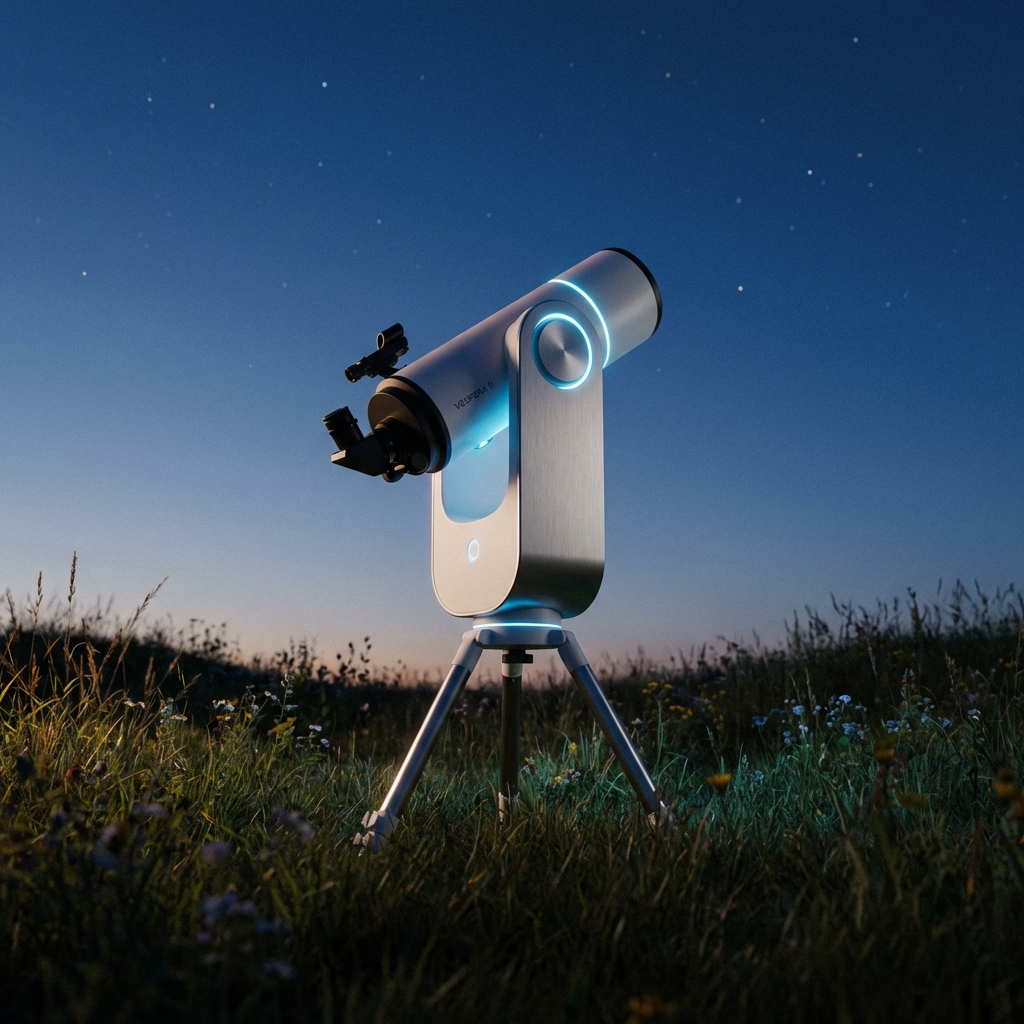
While ZWO and Dwarflab target the utility segment, Vaonis defines the premium category of smart telescopes. The Vespera II combines industrial design with advanced automated stacking software. We analyze the Vespera II's optical performance and CovalENS technology to determine its value proposition.

DH Research Lab
Data & Editorial Board
Expert Tested Gear & Affiliate Disclosure
This guide contains affiliate links. As an Amazon Associate, we earn from qualifying purchases.
01Proprietary Feature: CovalENS Mosaic
While other scopes shoot a single frame, the Vespera II uses CovalENS—a proprietary algorithm that allows the scope to 'paint' the sky.
How it works: The scope automatically moves in a grid Pattern, stitching together a giant high-resolution mosaic while it images. This allows a 50mm scope to produce images with the field of view of a wide-angle lens but the detail of a telephoto.
The Result: A field of view capable of capturing the entire North America Nebula (NGC 7000) and Pelican Nebula (IC 5070) complex in a single 50-megapixel integration.
CovalENS Mosaic
Create massive field-of-view images without complex manual framing.
Apo Triplet Optics
Highest quality glass for zero chromatic aberration (purple fringing).
Singularity App
The most polished and user-friendly software in the industry.
02Build Quality & Aesthetics
The Vespera II looks like a piece of modern art. There are no exposed cables, no knobs, and no 'telescope' look.
- The 'Egg' Design: Its sleek, futuristic shell is water-resistant (IP43), meaning a slight dew or light mist won't kill your electronics.
- Heaters: Unlike the budget competition, it has built-in dew heaters that activate automatically when the humidity rises.
03Real-World Results: Image Quality
Corner-to-corner star performance on the Vespera II exceeds that of the Seestar S50. Thanks to the quadruplet Apochromatic objective (with field flattener), stars remain pinpoints to the edge of the sensor.
The Trade-off: It is significantly more expensive. At $1,599, you are paying for the software polish, the CovalENS mosaic feature, and the premium optics. If you just want 'good' photos for Instagram, the Seestar is better value. If you want to print your photos large, the Vespera II wins.
04Is it the 'Observatory' for You?
The Vespera II is for the person who wants 'Apple-like' simplicity with professional-grade glass.
Pros:
- Stunning 50MP mosaic capability.
- Zero-effort setup (fully automated initialization).
- Best-in-class star shapes (Spot Diagram performance).
Cons:
- High price entry point.
- Tripod sold separately in some regions.
- No internal filter wheel (requires manual lens filters).
Frequently Asked Questions
Q:What makes the Vespera II a 'luxury' telescope?
The Vespera II features premium Apochromatic triplet optics, a refined industrial design with no exposed cables, and highly polished automated software. It also includes luxury hardware features like integrated dew heaters and an IP43 weather-resistance rating, providing a more 'Apple-like' user experience than its budget competitors.
Q:What is Vaonis CovalENS technology?
CovalENS is a unique software feature that allows the Vespera II to create large-field mosaics automatically. The telescope moves in a grid Pattern to 'paint' the sky, stitching multiple frames together to create high-resolution 50-megapixel images with a much wider field of view than a standard telescope frame.
Q:Does the Vespera II include a tripod?
Depending on the region and retailer, the tripod may be sold separately or as part of a bundle. The Vespera II uses a standard 3/8-inch photo thread, so it can be mounted on most heavy-duty photography tripods, though the official Vaonis tripod is recommended for maximum stability.
Q:Is the Vespera II good for city astrophotography?
Yes, its advanced optics and the Singularity app's stacking algorithms are very effective at mitigating urban light pollution. While it requires manual filter installation (using the optional filter holder), it produces extremely sharp star shapes even in challenging urban environments.
Q:How does the Vespera II handle dew?
One of its premium features is a built-in automated dew heater. The system monitors ambient humidity and temperature, activating the lens heater automatically to prevent condensation from ruining your long-exposure shots.
Don't waste a clear-night chance
Get the field checklist, then use DarkestHour to decide if tonight's sky is actually worth your time, setup or travel.
Learn first. Decide with the map.
DarkestHour guides are free trust builders. Use them to understand conditions, then use Pro for saved spots, alerts and best-night decisions.
Find Your Darkest Sky
Use our real-time satellite maps to find locations with zero light pollution.
Launch Interactive MapYour Learning Roadmap
You've mastered the astrophotography basics. The next logical step in your technical progression is mastering astrophotography workflows.
MANDATORY FIELD EQUIPMENT
Celestron NexStar 8SE
The gold standard for deep-sky observation. 203mm aperture for maximum light gathering.
ZWO Seestar S50
Fully robotic imaging system. Perfect for urban environments and rapid deployment.
Peak Design Travel Tripod
Zero-latency stability for long exposure astrophotography. Carbon fiber construction.
Continue Your Research
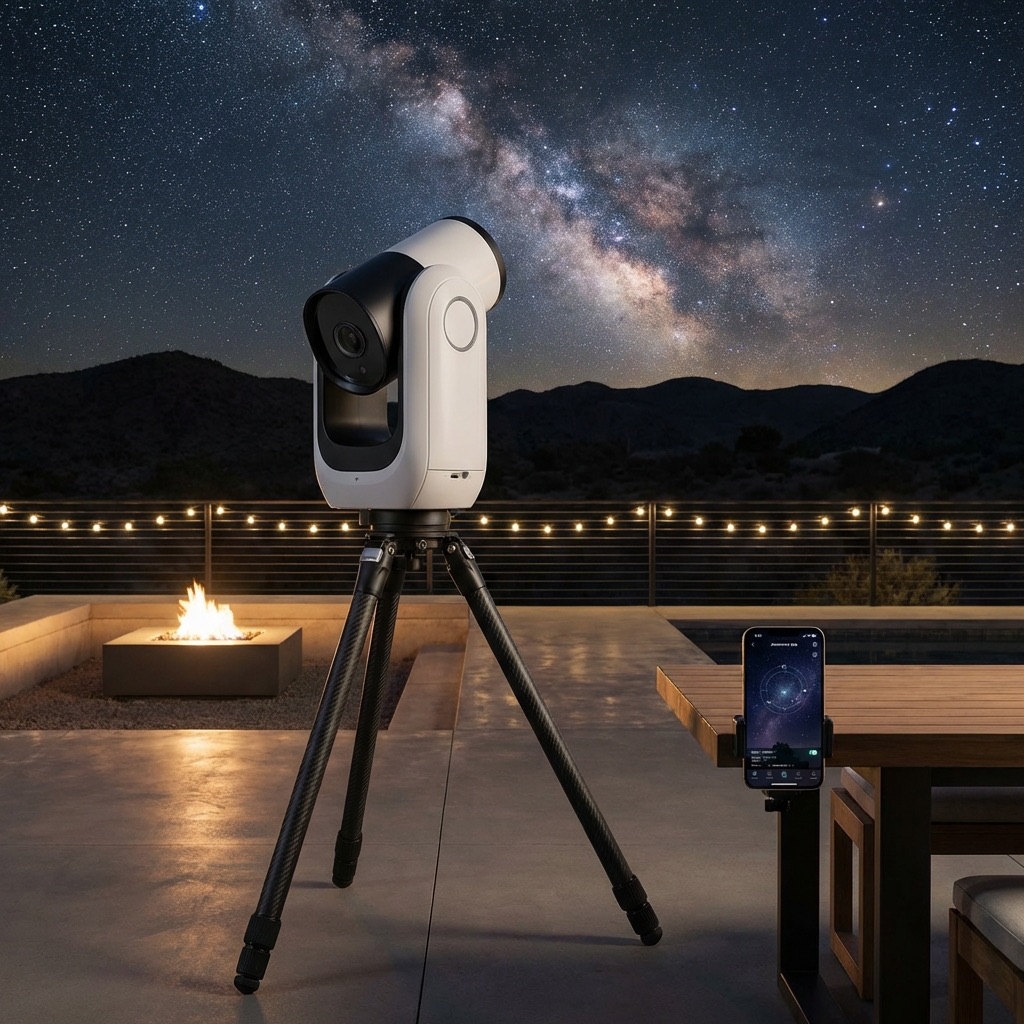
The Smart Telescope Revolution: Seestar, Origin, & Dwarf 3
Robots are taking over astrophotography. Compare the best smart telescopes of 2026: Seestar S50 vs Celestron Origin vs Dwarf 3.
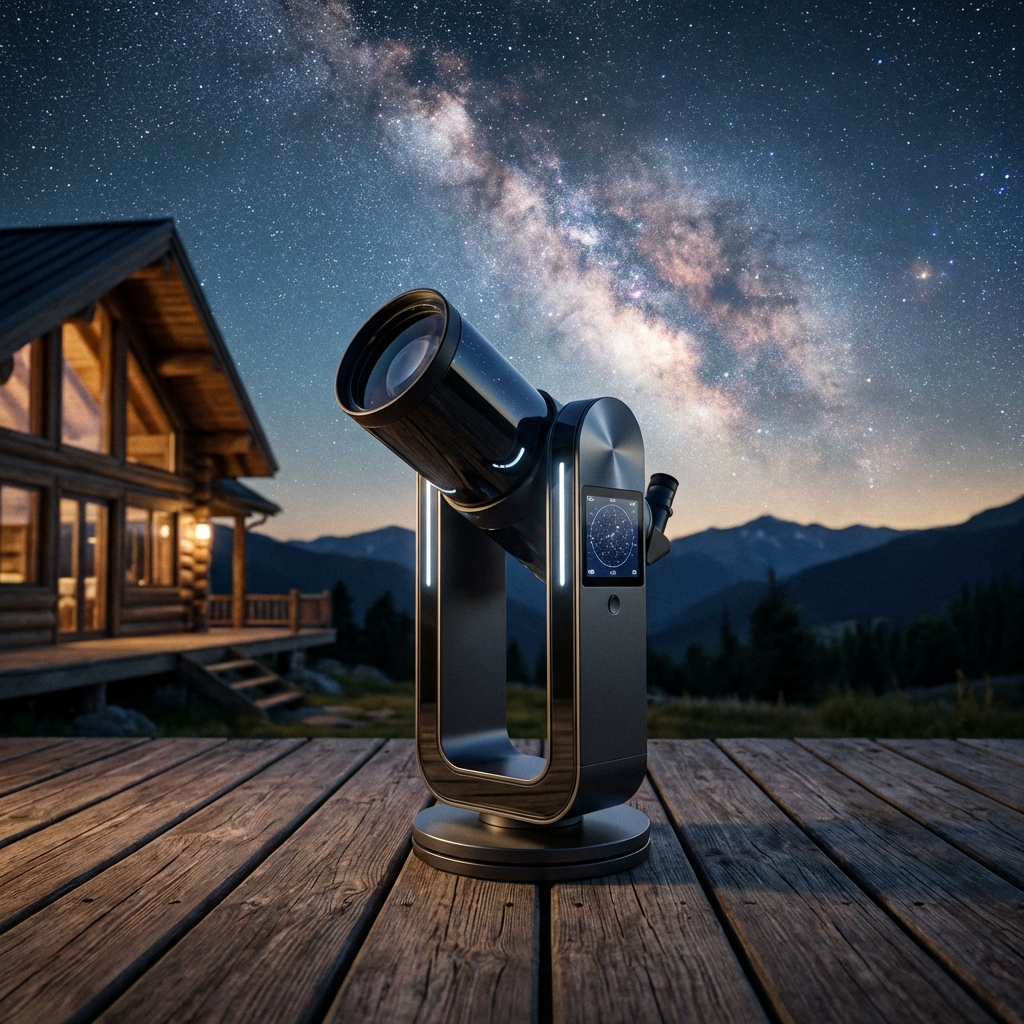
Dwarf III Review: The Ultimate Pocket-Sized Smart Telescope
Tiny but powerful. Discover why the Dwarf III is the best travel telescope for wide-field astrophotography and wildlife spotting.
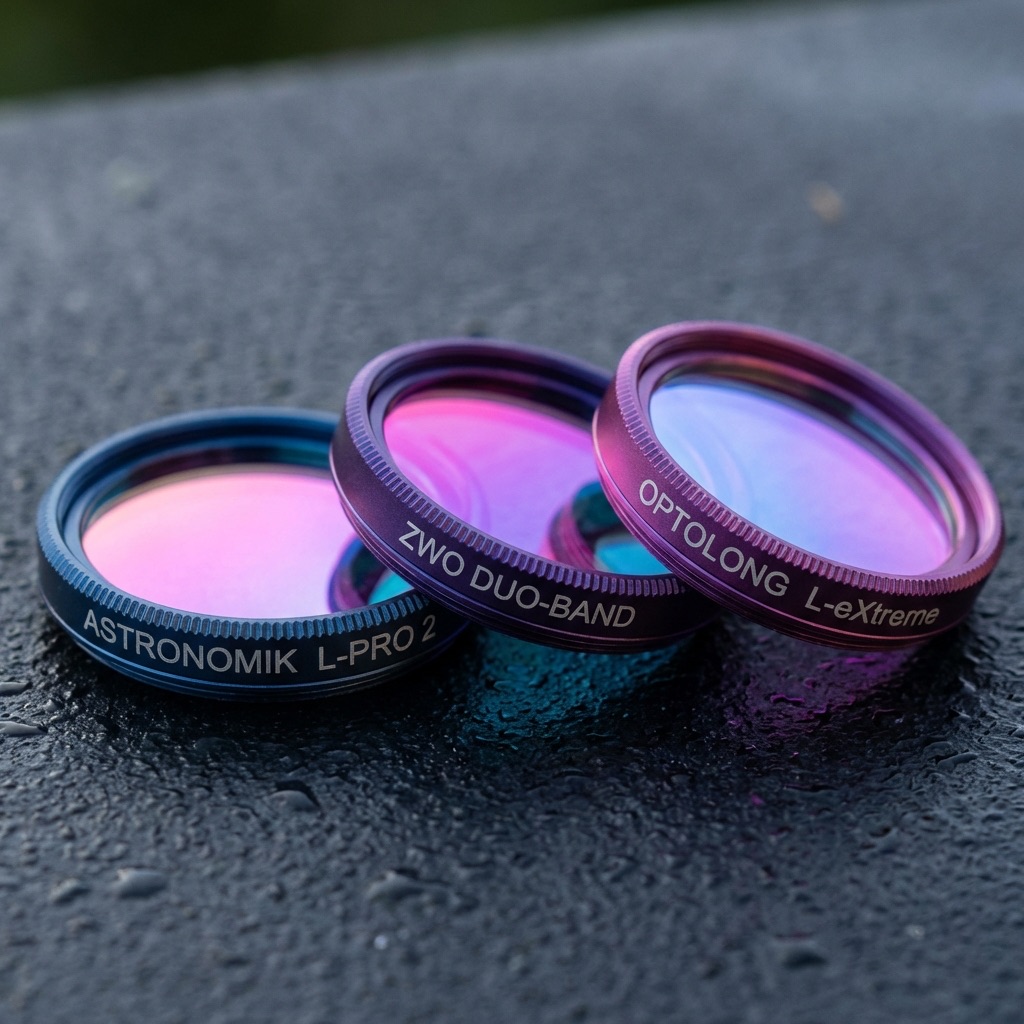
Best Astronomy Filters (2026): City Light Solutions
The dark sky cheat code. We review the best light pollution filters (Optolong L-Extreme, Antlia, SvBony) for city astrophotography.
End of Dossier • Research Complete