
Artemis III & Starship: The Return of Humans to the Lunar Surface
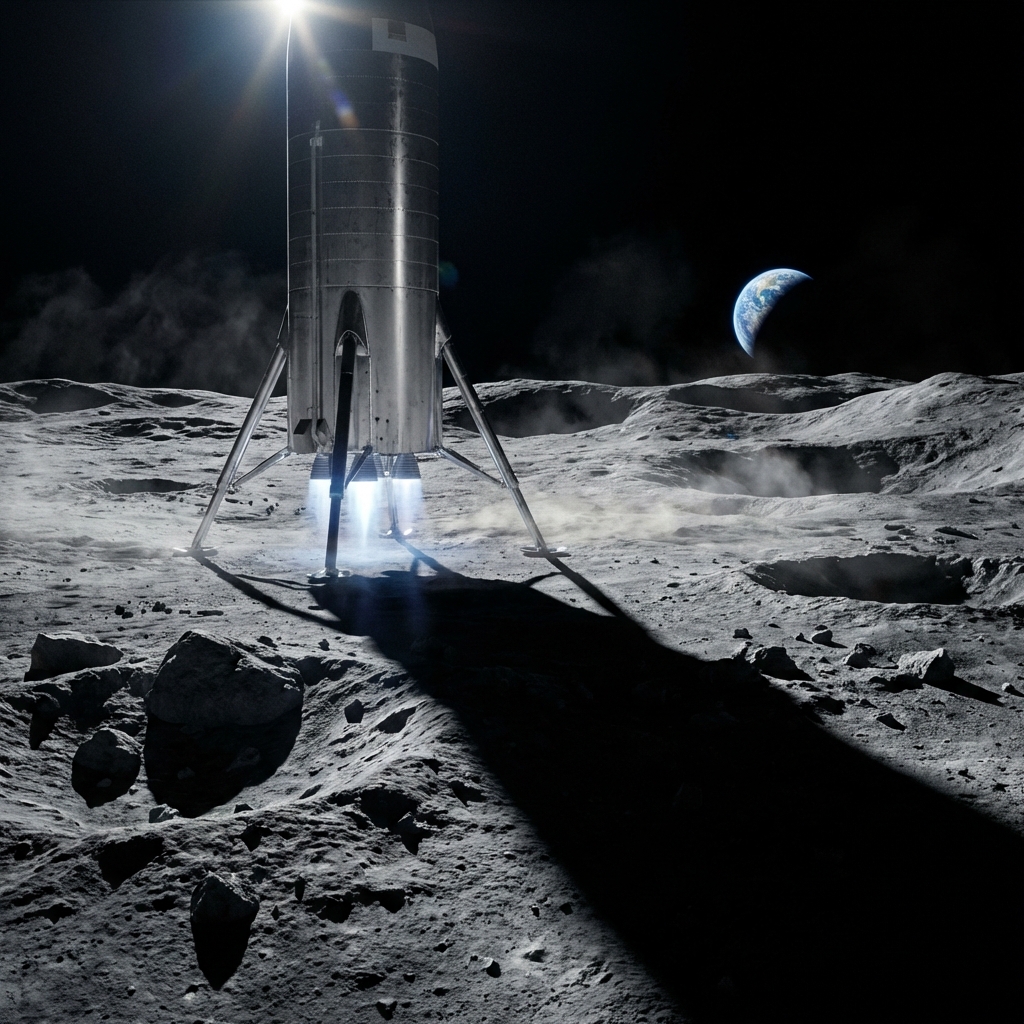
For the first time since 1972, humans are going back to the Moon. But this time, they're arriving in a futuristic Starship HLS. Artemis III is the mission that will land the first woman and first person of color on the lunar south pole. DH Research Lab monitors mission parameters and orbital trajectories to help you observe the lunar south pole candidates from your own backyard.
DH Research Lab
Data & Editorial Board
Expert Tested Gear & Affiliate Disclosure
This guide contains affiliate links. As an Amazon Associate, we earn from qualifying purchases.
01Why the South Pole?
Unlike the Apollo missions which landed near the lunar equator, Artemis III targets the Lunar South Pole.
The Objective:
- Water Ice: Permanently shadowed regions (PSRs) contain water ice that can be converted into rocket fuel and breathable oxygen.
- Peak of Eternal Light: Some crater rims receive near-constant sunlight, providing an infinite source of solar power.
02Observing the Landing Sites
You can't see the astronauts, but you can see where they'll be. The Shackleton Crater area is the primary target for Artemis III.
Target Crater
Look for Shackleton (89.9°S) right at the lunar terminator during a waxing/waning crescent.
Libration
Wait for a favorable 'Lunar Libration' to tilt the south pole towards Earth for a better view.
High-Res Imaging
Use a long-focal-length telescope (2000mm+) to capture the rugged peaks of the south polar region.
03The Starship HLS Factor
SpaceX's Human Landing System (Starship HLS) is a behemoth compared to the Apollo Lunar Module. It requires several 'refueling' launches in LEO before it can head to the Moon. DH Mission Control will provide orbital elements for these propellant transfer missions as they become available.
Observer Alert
Frequently Asked Questions
Q:When will Artemis III land on the Moon?
NASA's current target is late 2026. However, this is dependent on the completion of the SpaceX Starship HLS flight tests and the successful Artemis II crewed lunar flyby.
Q:Can I see Starship going to the Moon with a telescope?
Despite Starship's 50m height, at lunar distance (384,000km) it will be a tiny pinpoint of light, estimated magnitude 15-16, making it a challenge reserved for advanced amateur telescopes (10-inch+ aperture).
Don't waste a clear-night chance
Get the field checklist, then use DarkestHour to decide if tonight's sky is actually worth your time, setup or travel.
Learn first. Decide with the map.
DarkestHour guides are free trust builders. Use them to understand conditions, then use Pro for saved spots, alerts and best-night decisions.
Find Your Darkest Sky
Use our real-time satellite maps to find locations with zero light pollution.
Launch Interactive MapPlan Your Deployment
Ready to experience these dark skies yourself? Use our interactive map to find the best dark-sky certified hotels, desert cabins, and observatories near this location.
Booking through this map supports Darkest Hour's light pollution research.
Your Learning Roadmap
You've mastered the news basics. The next logical step in your technical progression is mastering astrophotography workflows.
MANDATORY FIELD EQUIPMENT
Celestron NexStar 8SE
The gold standard for deep-sky observation. 203mm aperture for maximum light gathering.
ZWO Seestar S50
Fully robotic imaging system. Perfect for urban environments and rapid deployment.
Peak Design Travel Tripod
Zero-latency stability for long exposure astrophotography. Carbon fiber construction.
Continue Your Research

The Kessler Syndrome: Is Space Junk Killing Stargazing?
Understand the Kessler Syndrome threat. How orbital debris and satellite mega-constellations are changing amateur astronomy in 2026.
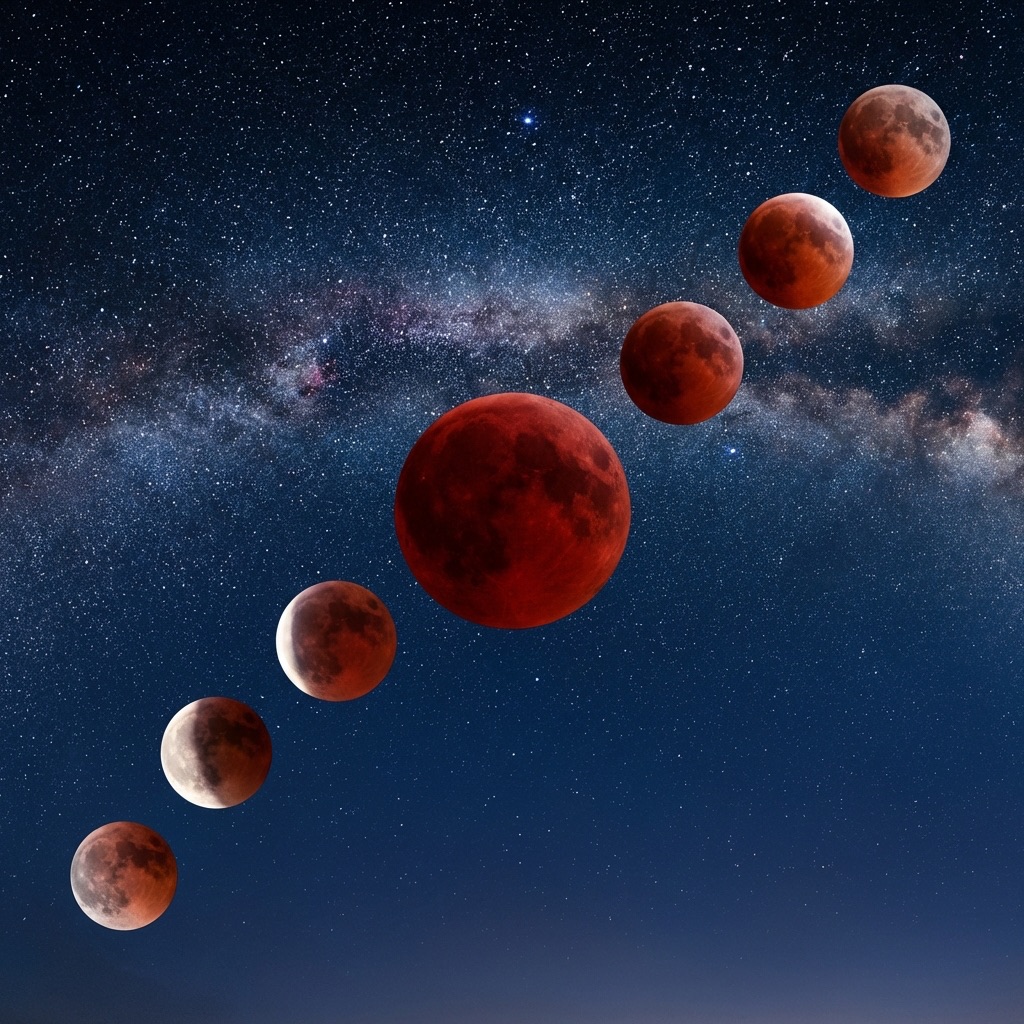
Total Lunar Eclipse March 2026: Blood Moon Guide
The last Blood Moon until 2028! Complete guide to the March 2026 total lunar eclipse with viewing times, photography settings, and essential gear picks.
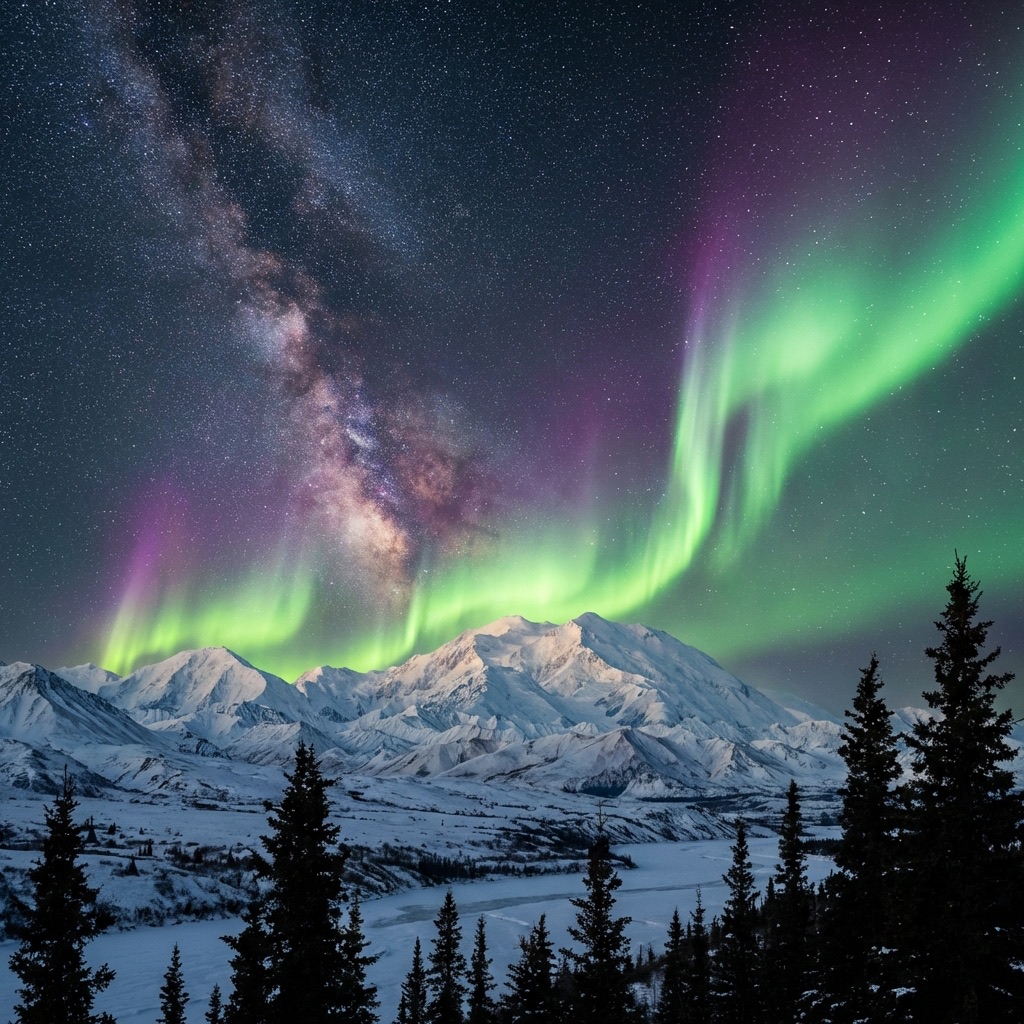
Best Stargazing in Alaska: 6 Incredible Dark Sky Escapes
The Final Frontier for stars! 6 pristine Alaska dark sky spots—Denali, Fairbanks, and the Brooks Range. Guide to stars and northern lights.
End of Dossier • Research Complete