
Total Lunar Eclipse March 2026: Blood Moon Viewing & Photography Guide
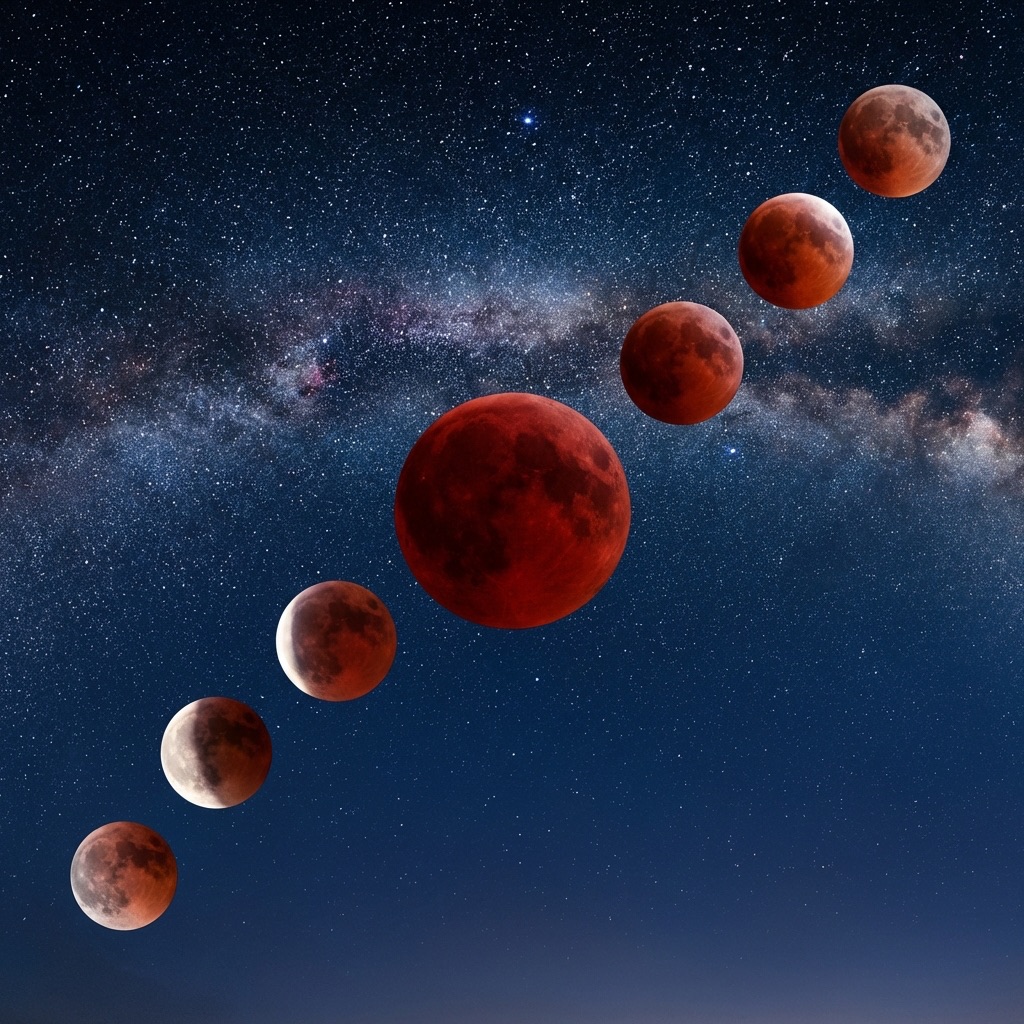
On the night of March 2-3, 2026, the Moon will pass through Earth's shadow and turn a deep blood-red. This total lunar eclipse—nicknamed the 'Worm Moon' eclipse—will be the last total lunar eclipse until late 2028. If you're in the Americas, especially the western states, you'll have front-row seats to one of nature's most dramatic celestial events. Here's everything you need to know to watch and photograph it.
DH Research Lab
Data & Editorial Board
Expert Tested Gear & Affiliate Disclosure
This guide contains affiliate links. As an Amazon Associate, we earn from qualifying purchases.
01What Makes This Eclipse Special
This isn't just any lunar eclipse. Here's why you shouldn't miss it:
Last chance until 2028. After March 2026, the next total lunar eclipse won't occur until December 31, 2028. That's nearly three years away.
The 'Blood Moon' effect. During totality, the Moon doesn't disappear—it turns a haunting reddish-orange color. This happens because Earth's atmosphere bends sunlight around our planet and filters out blue wavelengths, projecting only red light onto the lunar surface.
58 minutes of totality. This is a generous eclipse. You'll have nearly an hour to observe, photograph, and simply enjoy the spectacle.
Why 'Worm Moon'?
02Eclipse Timeline by Timezone
The total eclipse occurs in the early morning hours of March 3, 2026 for North American observers. Here are the key times:
| Phase | Eastern | Central | Mountain | Pacific | Alaska | Hawaii |
|---|---|---|---|---|---|---|
| Partial begins | 4:09 AM | 3:09 AM | 2:09 AM | 1:09 AM | 12:09 AM | 11:09 PM* |
| Totality begins | 6:04 AM | 5:04 AM | 4:04 AM | 3:04 AM | 2:04 AM | 1:04 AM |
| Maximum eclipse | 6:33 AM | 5:33 AM | 4:33 AM | 3:33 AM | 2:33 AM | 1:33 AM |
| Totality ends | 7:02 AM | 6:02 AM | 5:02 AM | 4:02 AM | 3:02 AM | 2:02 AM |
| Partial ends | 8:56 AM | 7:56 AM | 6:56 AM | 5:56 AM | 4:56 AM | 3:56 AM |
*Hawaii times are March 2nd (the night before).
⚠️ Warning for Eastern/Central US: The Moon will set during or shortly after totality for observers in these regions. Western observers get the full show.
Best Views
Western US, Hawaii, Alaska, and the Pacific see the entire eclipse.
East Coast
You'll see totality begin, but the Moon sets during the total phase.
No Telescope Needed
Lunar eclipses are visible to the naked eye—no equipment required.
03Where to Watch
Best locations in the US:
- Hawaii — Full eclipse visibility with the Moon high in the sky
- Alaska — Complete visibility, no moonset issues
- Pacific Coast (California, Oregon, Washington) — Totality visible before sunrise
- Mountain States (Arizona, Utah, Colorado) — Excellent conditions if skies are clear
International visibility:
- Australia & New Zealand — Visible as the Moon rises in the evening
- East Asia — Full visibility during evening/night hours
- Europe — Only the beginning partial phases visible before moonset
Dark skies not required. Unlike meteor showers or Milky Way viewing, you can watch a lunar eclipse from your backyard, even in the city. The Moon is bright enough to see through light pollution.
Photograph from Anywhere
04Photographing the Eclipse
Lunar eclipse photography is surprisingly accessible. Here's how to capture stunning Blood Moon shots:
Basic Setup:
- Camera: Any DSLR, mirrorless, or even a modern smartphone
- Lens: 200-600mm telephoto for detail; 14-50mm wide-angle for context shots
- Tripod: Essential for sharp images at any focal length
- Remote shutter: Prevents camera shake (or use the 2-second timer)
Recommended Settings:
| Phase | Aperture | Shutter Speed | ISO |
|---|---|---|---|
| Partial | f/8-11 | 1/250 - 1/500s | 200-400 |
| Totality | f/4-5.6 | 1-4 seconds | 800-3200 |
| Blood Moon close-up | f/5.6 | 2-4 seconds | 1600-3200 |
Pro Tips:
- Bracket your exposures — The Moon's brightness changes dramatically during the eclipse
- Focus on the Moon before totality — Autofocus struggles during the dim total phase
- Shoot RAW — You'll need the dynamic range for processing
Sigma 150-600mm f/5-6.3 DG OS HSM
“The best budget telephoto for lunar and wildlife photography.”
RATIONALE
600mm reaches the Moon beautifully, and optical stabilization helps on tripods. This lens has captured countless Blood Moon shots.
05Essential Gear for Eclipse Night
March nights are cold. You'll be outside for 2-4 hours. Here's what to pack:
Photography Essentials:
- Tripod (sturdy enough for telephoto lenses)
- Extra batteries (cold drains them fast)
- Remote shutter release or intervalometer
- Lens hood (prevents dew)
Comfort & Warmth:
- Insulated jacket and layers
- Hand warmers
- Hot drinks in a thermos
- Reclining chair for neck comfort
Peak Design Travel Tripod
“Compact, sturdy, and quick to set up—perfect for telephoto eclipse shots.”
RATIONALE
Packs down to 15 inches but extends to 60 inches. Rock solid at full extension with a 600mm lens. Worth every penny.
06Smartphone Eclipse Photography
Don't have a DSLR? No problem. Modern smartphones can capture impressive eclipse shots:
iPhone (14 Pro or newer):
- Use the 3x or 5x telephoto lens
- Enable ProRAW for maximum editing flexibility
- Tap and hold to lock focus/exposure before totality
Android Flagships:
- Use Pro/Manual mode
- Set focus to infinity and lock it
- Lower ISO (400-800) and longer shutter (1-2 seconds)
Phone Adapter Trick: Attach your phone to binoculars or a telescope eyepiece. This "afocal" method produces surprisingly detailed lunar close-ups.
Celestron NexYZ 3-Axis Smartphone Adapter
“Mount your phone to any telescope or binocular eyepiece.”
RATIONALE
Works with any phone and any eyepiece. Line up the Moon, tap shutter, and you've got a detailed lunar photo. Essential for casual astronomers.
07Eclipse Viewing Party Ideas
Lunar eclipses are social events. Unlike solar eclipses, you can watch comfortably without special glasses. Here's how to make it memorable:
Host an Eclipse Watch Party:
- Set up lawn chairs and blankets
- Provide hot chocolate and snacks
- Have binoculars available for guests to share
- Use a star chart app to identify other objects while waiting
Educational for Kids:
- Explain why the Moon turns red (Earth's atmosphere!)
- Time the phases together
- Have them draw what they see at different stages
- Use it as a lesson about Earth's shadow
Live with Others: Share the experience on social media with #BloodMoon2026 or #LunarEclipse2026.
No Eye Protection
Unlike solar eclipses, lunar eclipses are completely safe to view directly.
Share the View
Pass around binoculars so everyone can see the Moon's red glow up close.
Group Photos
Include the eclipsed Moon in the background of group shots for an unforgettable memory.
Don't waste a clear-night chance
Get the field checklist, then use DarkestHour to decide if tonight's sky is actually worth your time, setup or travel.
Learn first. Decide with the map.
DarkestHour guides are free trust builders. Use them to understand conditions, then use Pro for saved spots, alerts and best-night decisions.
Find Your Darkest Sky
Use our real-time satellite maps to find locations with zero light pollution.
Launch Interactive MapYour Learning Roadmap
You've mastered the beginner basics. The next logical step in your technical progression is mastering intermediate acquisition.
MANDATORY FIELD EQUIPMENT
Celestron NexStar 8SE
The gold standard for deep-sky observation. 203mm aperture for maximum light gathering.
ZWO Seestar S50
Fully robotic imaging system. Perfect for urban environments and rapid deployment.
Peak Design Travel Tripod
Zero-latency stability for long exposure astrophotography. Carbon fiber construction.
Continue Your Research
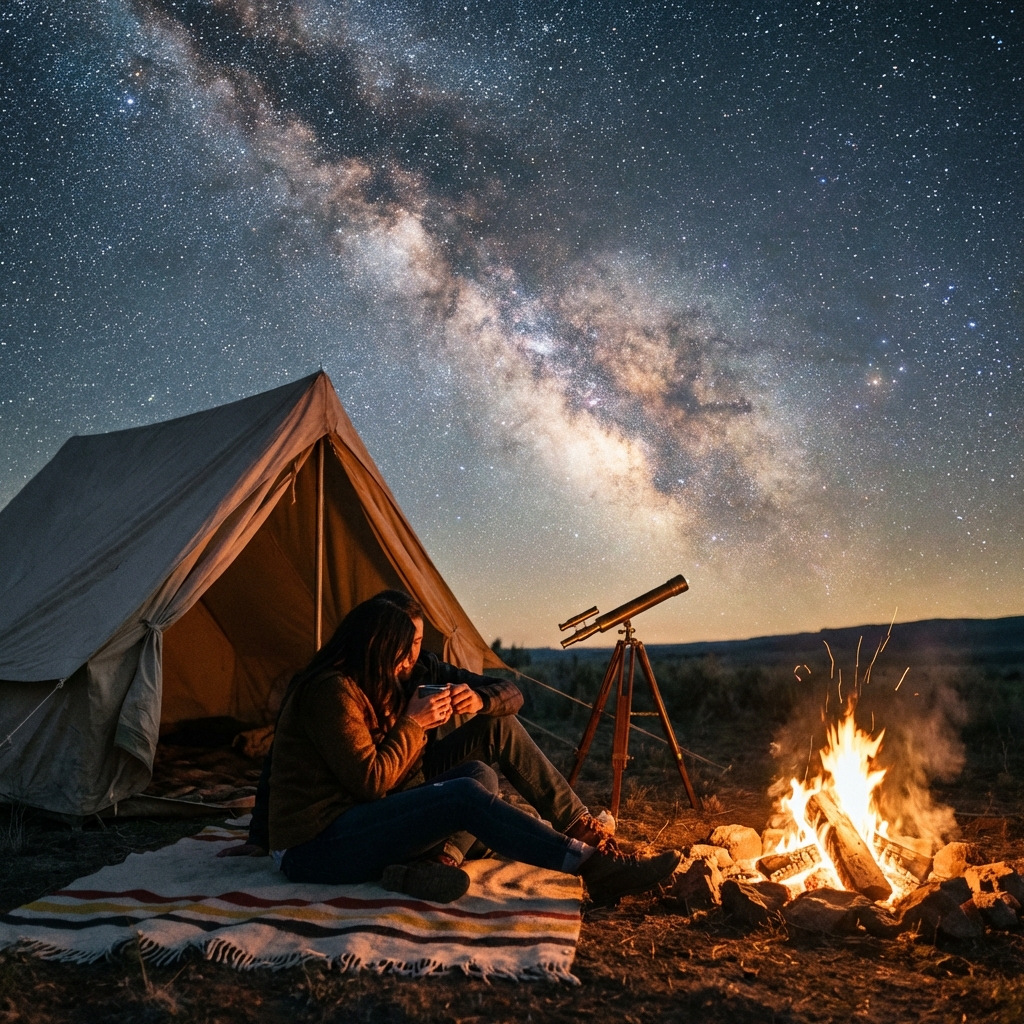
Your First Night Stargazing: Complete 2026 Guide
Everything you need for your first night under the stars. Learn to find dark sky locations, navigate constellations, and master stargazing with zero gear.
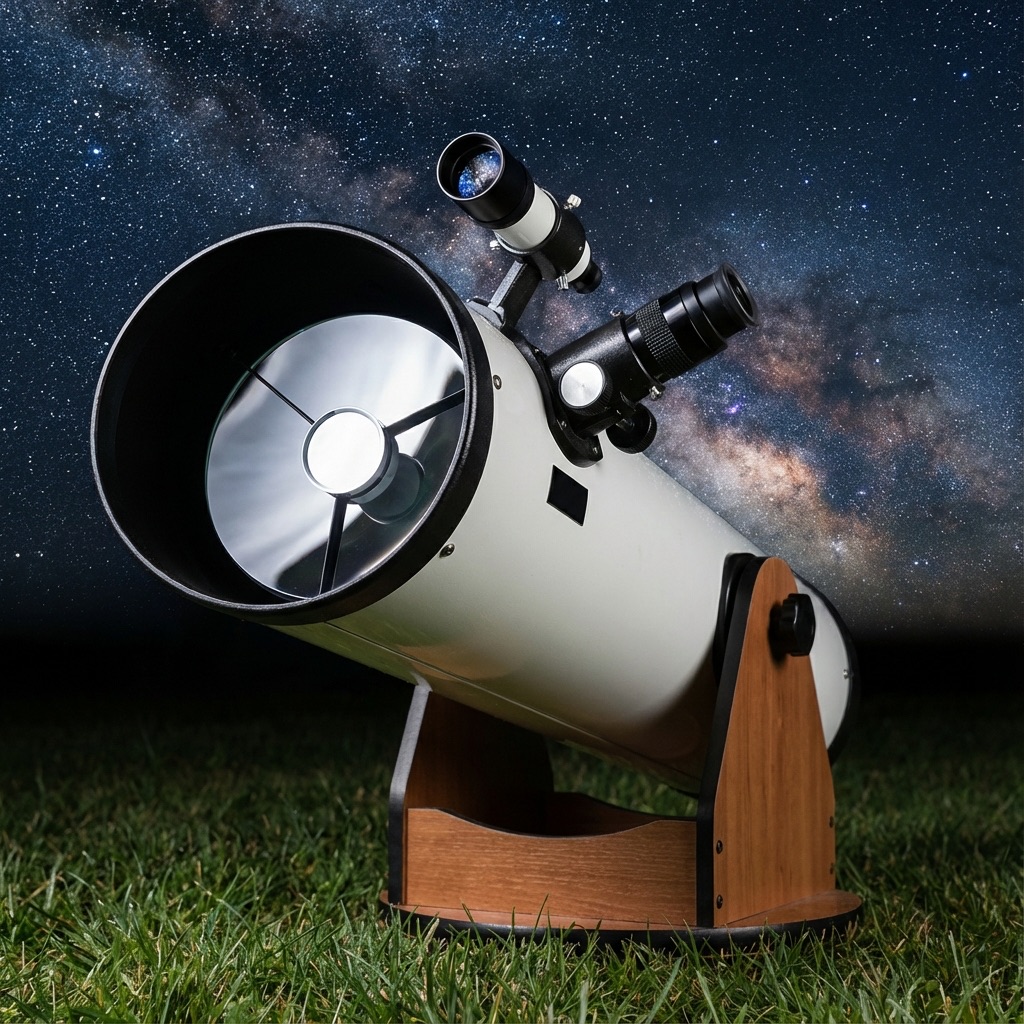
The Best Telescopes for Beginners 2026: Buyer's Guide
Don't waste money on a shaky scope. Find the best first telescope with our 2026 expert reviews, budget picks, and essential gear advice.
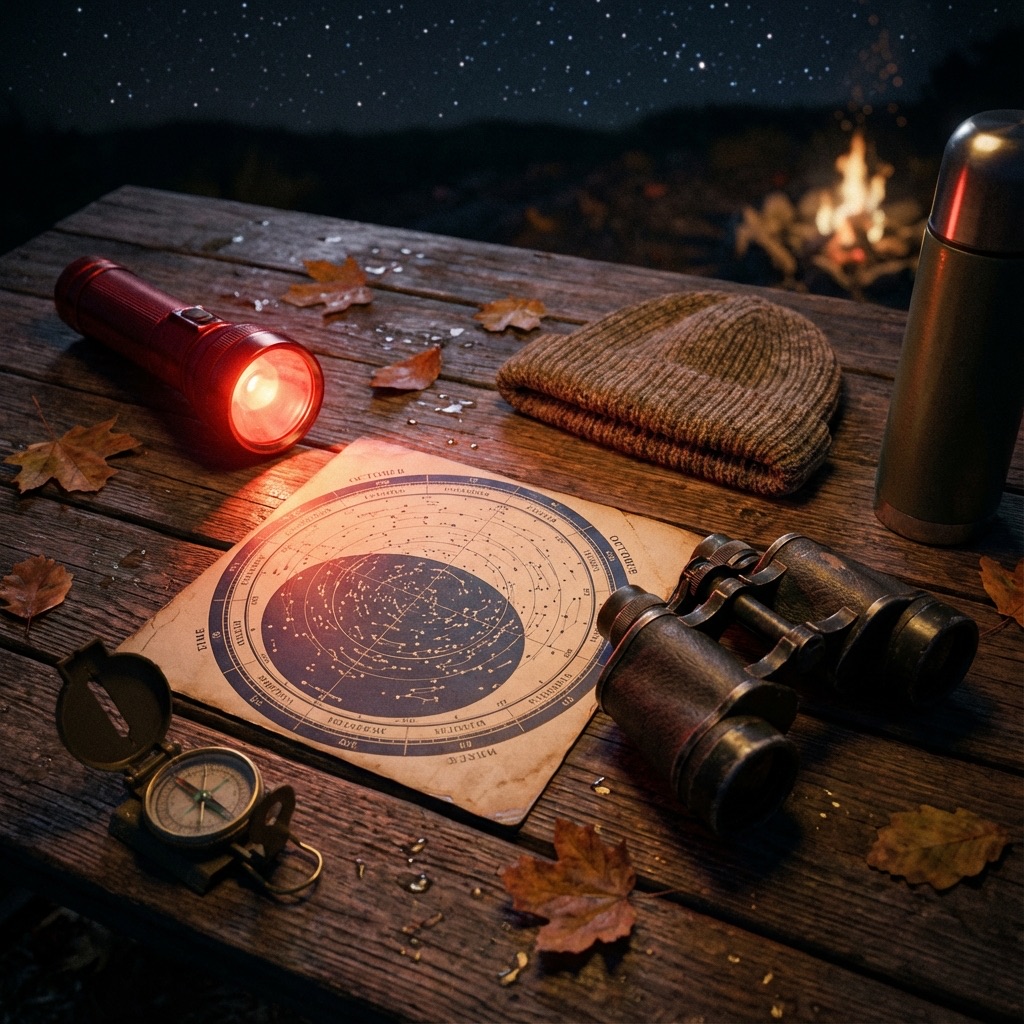
Best Stargazing Gear for Beginners: Start Under $100
Everything you need for your first night under the stars—from comfort and clothing to celestial navigation apps and essential accessories.
End of Dossier • Research Complete