Best Stargazing in Alaska: 6 Incredible Dark Sky Escapes (2026)
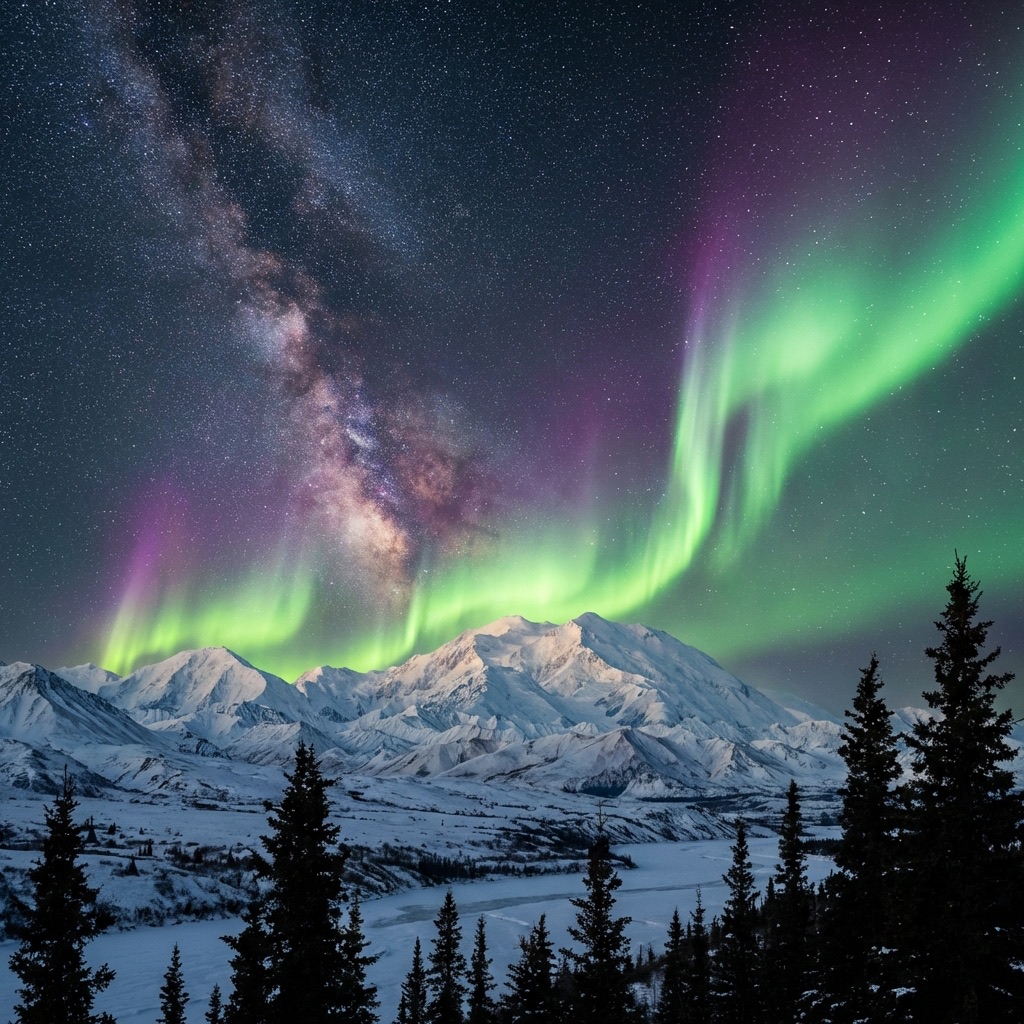
Alaska is truly the Final Frontier for stargazing. With a landmass larger than Texas, California, and Montana combined, and a population smaller than San Francisco, Alaska offers levels of darkness that are literally impossible to find in the lower 48. From the towering peaks of Denali to the Arctic solitude of the Brooks Range, here are 6 locations where the night sky feels tangible and the Aurora Borealis dances overhead.
DH Research Lab
Data & Editorial Board
Expert Tested Gear & Affiliate Disclosure
This guide contains affiliate links. As an Amazon Associate, we earn from qualifying purchases.
01Navigating the Alaskan Night
Stargazing in Alaska is unlike anywhere else in America. You must manage two unique factors:
The Midnight Sun: From May to August, true darkness doesn't exist in much of Alaska. Real stargazing and Aurora hunting only happen from September through April.
Extreme Weather: 'Winter stargazing' in Alaska means preparing for -20°F to -60°F (-30°C to -50°C). Equipment and humans require specialized preparation.
The Aurora Effect: In Alaska, the Northern Lights are often so bright they actually create light pollution, making deep-sky stargazing difficult!
Image Tip: The Milky Way arcing perfectly over a snow-covered log cabin, with a faint green aurora glow on the horizon.
Bortle Scale
021. Denali National Park
Distance from Fairbanks: 2.5 hours | Distance from Anchorage: 4 hours | Bortle Class: 1-2
Denali is the crown jewel of Alaska. Not only is it home to North America's highest peak, but its night skies are among the cleanest on the planet.
Where to Go:
- Savage River Area — Accessible by car, wide horizons
- Wonder Lake — Requires bus/hike (summer only), but the ultimate reflection of Denali and stars
- Riley Creek — Near the entrance, good for those staying in the park
Photography: The 20,310-foot peak creates a foreground that provides unparalleled scale to the celestial sphere.
Sony Alpha a7S III Camera
“The gold standard for low-light and aurora photography.”
RATIONALE
Alaska's auroras can move fast. This camera's insane ISO performance lets you take short exposures that capture the 'curtains' of light without blurring.
032. Fairbanks (The Aurora Capital)
Distance from Anchorage: 6 hours | Bortle Class: 3-4 (outside city) | Best For: Northern Lights tourism
Fairbanks sits directly under the 'Auroral Oval,' making it one of the best places on Earth to see the Northern Lights. While the city itself has light, a 20-minute drive in any direction leads to spectacular darkness.
Where to Go:
- Murphy Dome — Former Air Force station, high elevation, 360-degree views
- Chena Hot Springs — Soak in 105°F water while watching the aurora
- Cleary Summit — Famous local spot with great horizons
Bonus: Numerous 'Aurora Lodges' offer wake-up calls when the lights appear.
Auroral Oval
Fairbanks is geographically positioned for maximum aurora frequency.
Warmth
Hot springs + stargazing is the ultimate Alaskan luxury.
Tours
Countless professional guides can help you find and photograph the lights.
043. Wrangell-St. Elias National Park
Distance from Anchorage: 4+ hours | Bortle Class: 1 | Best For: Ultimate isolation, rugged wilderness
The largest national park in the US (the size of six Yellowstones) is almost entirely Bortle 1. This is where you go for absolute, prehistoric darkness.
The Experience:
- More glaciers and peaks than anywhere else in North America
- McCarthy and Kennicott provide historic mining-town foregrounds
- Zero light domes from any direction
Note: Roads are rough and services are extremely limited. You must be self-sufficient.
Garmin inReach Mini 2
“Satellite communicator for remote Alaskan safety.”
RATIONALE
In Wrangell-St. Elias, there is no cell service. Ever. This is your lifeline if you have car trouble or an emergency at night.
054. The Alaskan Arctic (Brooks Range)
Distance from Fairbanks: 5+ hours (Dalton Hwy) | Bortle Class: 1 | Best For: Serious expedition, Arctic Circle experience
Driving the Dalton Highway (the 'Haul Road') over the Arctic Circle puts you in a landscape of tundra and jagged peaks. The Brooks Range offers a stark, beautiful setting for the stars.
Where to Go:
- Coldfoot — Truck stop with basic services and great aurora views
- Atigun Pass — High mountain pass, extremely dramatic
- Wiseman — Historic village known for its hospitality and dark skies
Warning: The Dalton is a high-risk road. Trucks have right-of-way. Bring two spare tires and extra fuel.
Arctic Driving
065. Thompson Pass (Richardson Highway)
Distance from Valdez: 30 minutes | Bortle Class: 2 | Best For: Snow-covered mountain Vistas
Thompson Pass is famous for being the snowiest place in Alaska. This creates a brilliant white landscape that reflects the light of the stars and aurora, making the world feel luminous even at night.
Top Spots:
- Worthington Glacier — Accessible by a short walk, stunning icy foreground
- Summit Lake — Frozen alpine lake reflections
- Bridal Veil Falls — Frozen waterfalls under the stars
Winter Note: This pass regularly sees the most extreme snowfall in the state. Check road reports.
Snow Capital
White landscapes make the night feel brighter and more magical.
Glacial Ice
Worthington Glacier is one of the most accessible in Alaska.
Windy
The pass can have extreme winds—prepare for low windchill factor.
076. Hatcher Pass
Distance from Anchorage: 1.5 hours | Bortle Class: 3-4 | Best For: Closest high-quality sky to Anchorage
For those based in Anchorage, Hatcher Pass is the go-to spot. The high elevation (3,800+ ft) and surrounding peaks block the city glow.
What to See:
- Independence Mine — Historic mine buildings under the stars
- Summit Lake — (Different from the one on the Richardson)
- Archangel Road — Deeper access for darker skies
Strategy: Check the Kp index. If it's a 3 or 4, head to Hatcher Pass for a quick aurora fix without the 6-hour drive to Fairbanks.
Stanley Classic Legendary Bottle
“Keeps 1.5 liters of coffee hot for 40 hours.”
RATIONALE
Alaska nights are long and cold. Hot coffee is a safety item as much as a comfort item when you're 2 hours from a warm building.
Don't waste a clear-night chance
Get the field checklist, then use DarkestHour to decide if tonight's sky is actually worth your time, setup or travel.
Learn first. Decide with the map.
DarkestHour guides are free trust builders. Use them to understand conditions, then use Pro for saved spots, alerts and best-night decisions.
Find Your Darkest Sky
Use our real-time satellite maps to find locations with zero light pollution.
Launch Interactive MapPlan Your Deployment
Ready to experience these dark skies yourself? Use our interactive map to find the best dark-sky certified hotels, desert cabins, and observatories near this location.
Booking through this map supports Darkest Hour's light pollution research.
Your Learning Roadmap
You've mastered the travel basics. The next logical step in your technical progression is mastering astrophotography workflows.
MANDATORY FIELD EQUIPMENT
Celestron NexStar 8SE
The gold standard for deep-sky observation. 203mm aperture for maximum light gathering.
ZWO Seestar S50
Fully robotic imaging system. Perfect for urban environments and rapid deployment.
Peak Design Travel Tripod
Zero-latency stability for long exposure astrophotography. Carbon fiber construction.
Continue Your Research
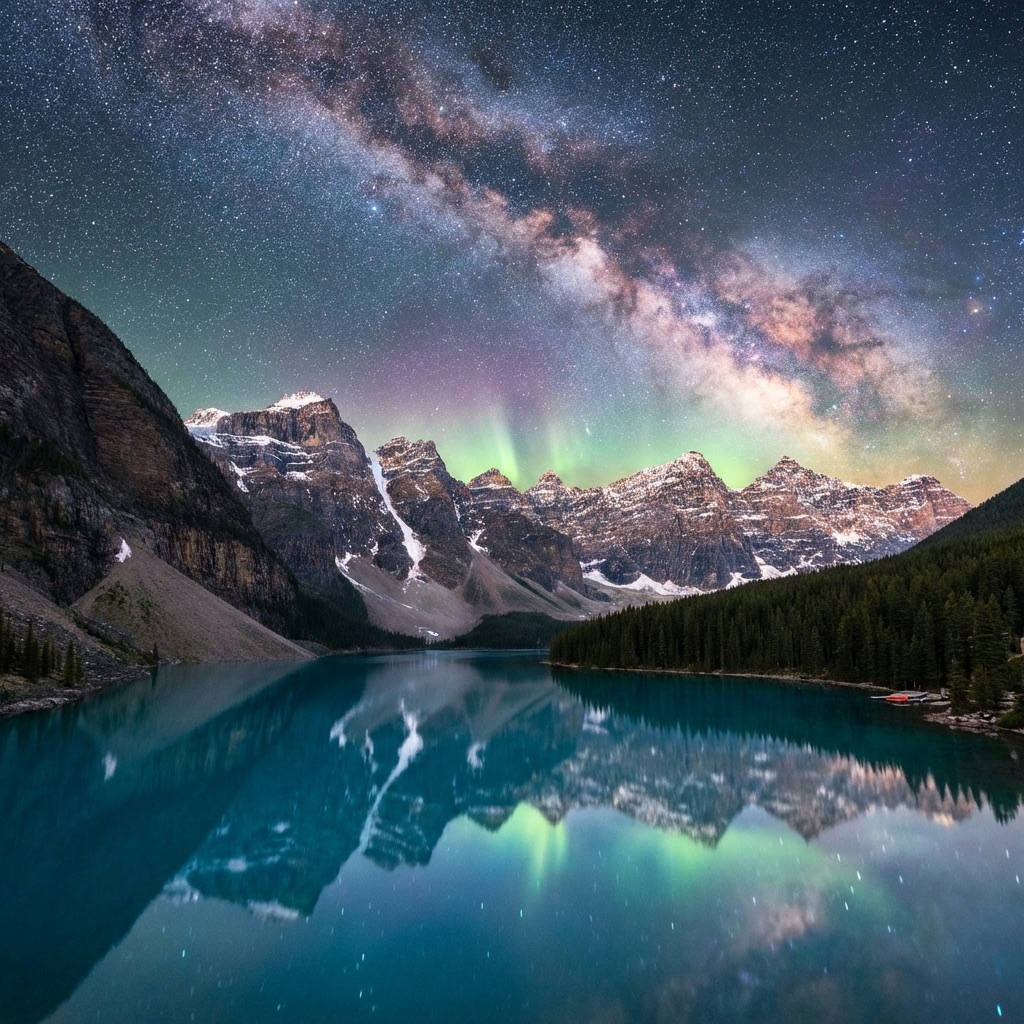
Stargazing in Banff: 6 Canadian Rockies Escapes
Glacial stars await! 6 spots in Banff National Park—Lake Louise, Icefields Parkway, and Peyto Lake. Your guide to Rockies' stargazing.
Best Places to See the Southern Lights (Aurora Australis)
Explore the best Southern Hemisphere locations for aurora hunting. Learn where to see the Southern Lights in New Zealand, Tasmania, and more.
Light Pollution-Free Towns: Escape to the Darkest Skies
Visit the world's best Dark Sky Communities. Discover towns like Torrey and Westcliffe that offer pristine stargazing from your front porch.
End of Dossier • Research Complete