Finding Stars Near Brisbane: Top Observing Spots
Finding a truly dark sky near Brisbane can feel impossible with the ever-growing light dome. However, if you know where to drive, there are still pristine pockets of darkness waiting to be explored.
DH Research Lab
Data & Editorial Board
Expert Tested Gear & Affiliate Disclosure
This guide contains affiliate links. As an Amazon Associate, we earn from qualifying purchases.
01When to Leave the City
The key to stargazing near Brisbane is timing the weather. Allow at least an hour of driving time past the suburban perimeter to let your eyes adjust to the dropping light pollution.
02Queensland's Southern Majesty
The Southern Hemisphere offers the best view of our galaxy's center, and Queensland's latitude (around 27°S) puts it in a prime position.
The Scenic Rim Shield: The ancient volcanic mountains surrounding Brisbane act as a natural barrier to the city's light dome. Sub-Tropical Clarity: Winter (May-September) is the dry season in Queensland, offering crisp air and the best possible conditions for observing the Galactic Core. Dark Sky Preservation: Local councils and groups in regions like the Scenic Rim are actively working to maintain their darkness through smart lighting policies.
Bortle Scale
031. The Scenic Rim (Lake Moogerah)
Distance from Brisbane: 1.5 hours | Bortle Class: 3-4 | Best For: Most popular photography spot near the city
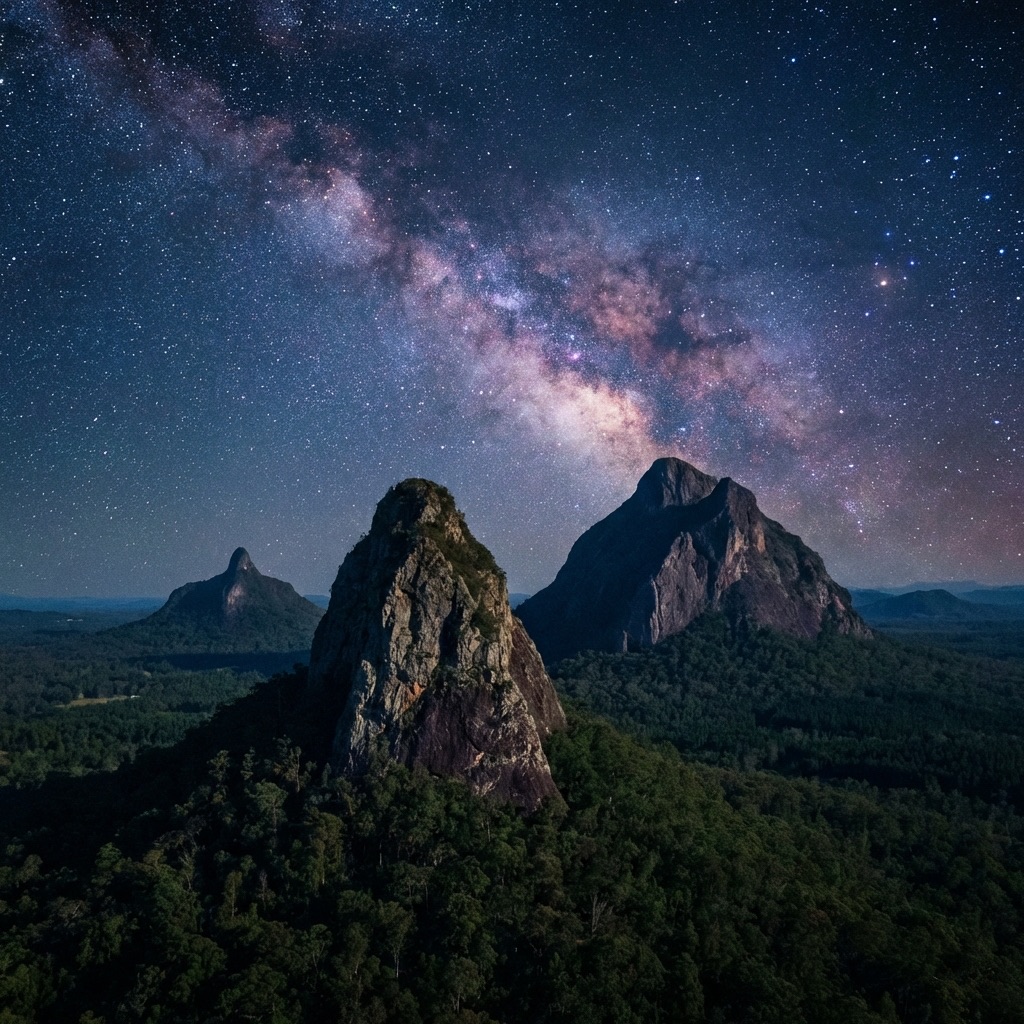
Lake Moogerah is the spiritual home of Brisbane astrophotography. The combination of the lake and the dramatic peaks of Mt French and Mt Edwards is iconic.
Highlights:
- Wide, dark horizons to the south and west.
- Easy access with public carparks near the dam wall.
- Great for 'Star Trails' over the water.
Note: It can get busy with other photographers on new moon weekends. Arrive early to scout your spot.
Stay22 - Scenic Rim Eco-Cottages
“Find remote stays in Boonah and Mt Barney.”
RATIONALE
Staying in the Scenic Rim allows you to be on-site for the 'blue hour' transition and stay until the galactic core is at its peak without a long midnight drive.
042. Springbrook National Park (Gold Coast Hinterland)
Distance from Brisbane: 1.5 hours | Bortle Class: 4 | Best For: Stargazing from an ancient caldera
While the Gold Coast is bright, the high plateau of Springbrook looks west away from the lights, offering surprisingly good darkness.
Why go:
- Best Of All Lookout — Aptly named, offering a 2,000 ft drop with views towards the NSW border.
- Canyon Lookout — Great for sunset-to-stars transitions.
- Ancient Antarctic Beech trees provide surreal foregrounds.
Nikon Monarch M7 8x42 Binoculars
“Waterproof, high-contrast binoculars for the humid hinterland.”
RATIONALE
Humidity can be high in the rainforest. You need waterproof optics that won't fog. These bins reveal the Carina Nebula as a glowing cloud from the lookout.
053. Girraween National Park (Granite Belt)
Distance from Brisbane: 3 hours | Bortle Class: 2-3 | Best For: Absolute darkness and giant granite boulders
Heading south toward the NSW border, Girraween ('Place of Flowers') offers some of the best stargazing in the state.
Highlights:
- Incredible granite formations (The Pyramid, Balancing Rock) for silhouettes.
- High elevation (1,000m+) ensures cooler, clearer air.
- Very low light pollution due to the park's isolation.
Granite Belt
The white rock reflects starlight, creating a unique ambient glow on the ground.
Transparency
Higher and drier than the coast, resulting in pinpoint stars.
Winter Chill
One of the few places in Queensland that sees frost and occasional snow. Bring heavy layers!
064. Sirius Observatory (Sunshine Coast Hinterland)
Distance from Brisbane: 1.5 hours | Bortle Class: 4 | Best For: Educational tours and telescope use
A community-run observatory that offers regular tours and the chance to view through large-aperture telescopes.
Why go:
- Learn about the Southern Hemisphere constellations from experts.
- Safe, easy access for families.
- Located in the beautiful Maleny/Montville region.
Book Ahead
075. Lake Somerset
Distance from Brisbane: 1.5 hours | Bortle Class: 4 | Best For: Water reflections and camping
Somerset Dam is a popular spot for boaters by day and astronomers by night.
Sites:
- The Spit and other day-use areas provide wide views over the water.
- Very popular for meteor shower viewing.
- Good horizons to the east for rising constellations.
Meteor Showers
The wide views over the water make it easy to spot shooting stars in every direction.
Camping
Excellent campgrounds allow for an easy overnight stargazing trip.
Gates
Some day-use areas close at sunset; check local park signage for after-hours access.
086. Charleville (Outback Queensland)
Distance from Brisbane: 8+ hours | Bortle Class: 1 | Best For: The 'True' Outback Sky
If you want to see the sky as it was before the modern age, head west to Charleville and its dedicated Cosmos Centre.
Sony 20mm f/1.8 G Lens
“Fast, compact prime for Queensland's vast horizons.”
RATIONALE
Capture the whole sweep of the Milky Way over the mountains of the Scenic Rim or the boulders of Girraween.
Don't waste a clear-night chance
Get the field checklist, then use DarkestHour to decide if tonight's sky is actually worth your time, setup or travel.
Learn first. Decide with the map.
DarkestHour guides are free trust builders. Use them to understand conditions, then use Pro for saved spots, alerts and best-night decisions.
Find Your Darkest Sky
Use our real-time satellite maps to find locations with zero light pollution.
Launch Interactive MapPlan Your Deployment
Ready to experience these dark skies yourself? Use our interactive map to find the best dark-sky certified hotels, desert cabins, and observatories near this location.
Booking through this map supports Darkest Hour's light pollution research.
Your Learning Roadmap
You've mastered the travel basics. The next logical step in your technical progression is mastering astrophotography workflows.
MANDATORY FIELD EQUIPMENT
Celestron NexStar 8SE
The gold standard for deep-sky observation. 203mm aperture for maximum light gathering.
ZWO Seestar S50
Fully robotic imaging system. Perfect for urban environments and rapid deployment.
Peak Design Travel Tripod
Zero-latency stability for long exposure astrophotography. Carbon fiber construction.
Continue Your Research
Best Places to See the Northern Lights: 2026 Guide
Discover the top global destinations for viewing the Aurora Borealis in 2026. From Norway to Alaska, find the best dark sky spots and essential gear.
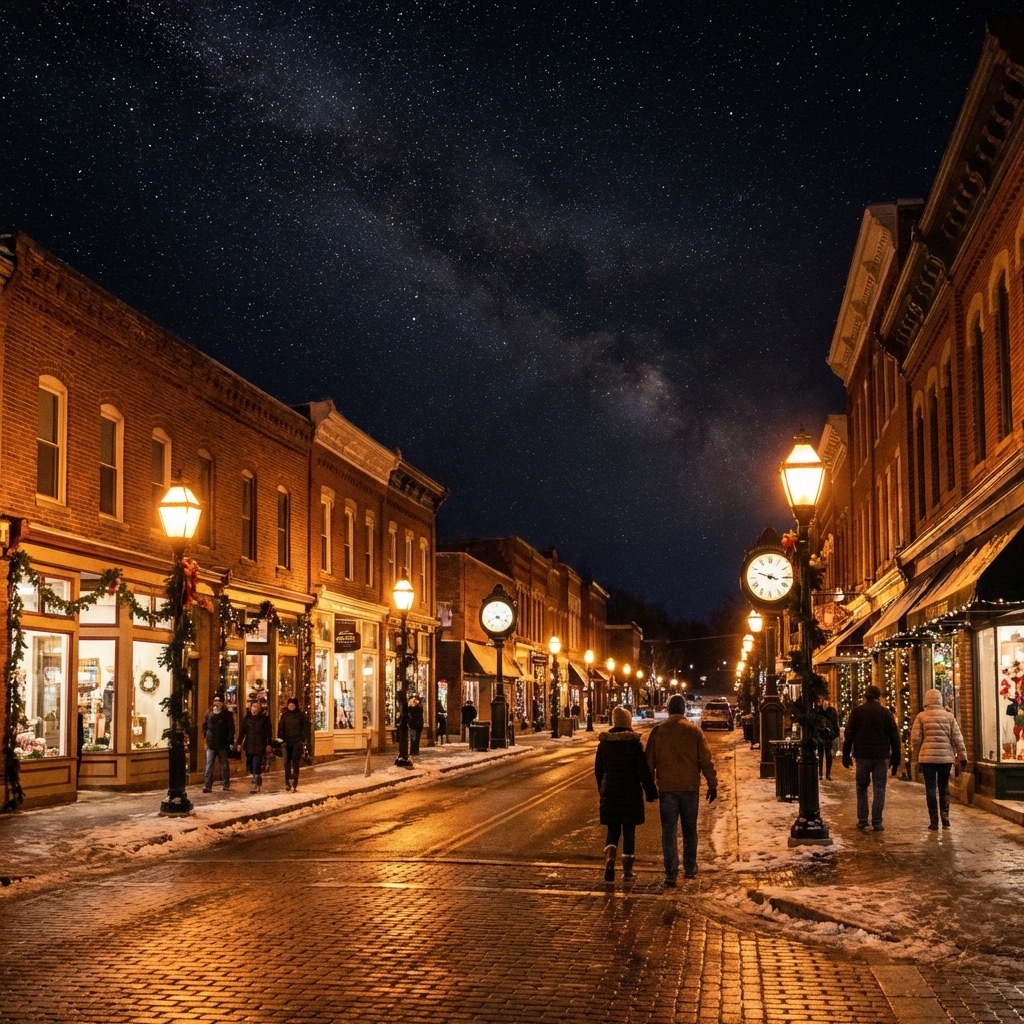
Light Pollution-Free Towns: Escape to the Darkest Skies
Visit the world's best Dark Sky Communities. Discover towns like Torrey and Westcliffe that offer pristine stargazing from your front porch.
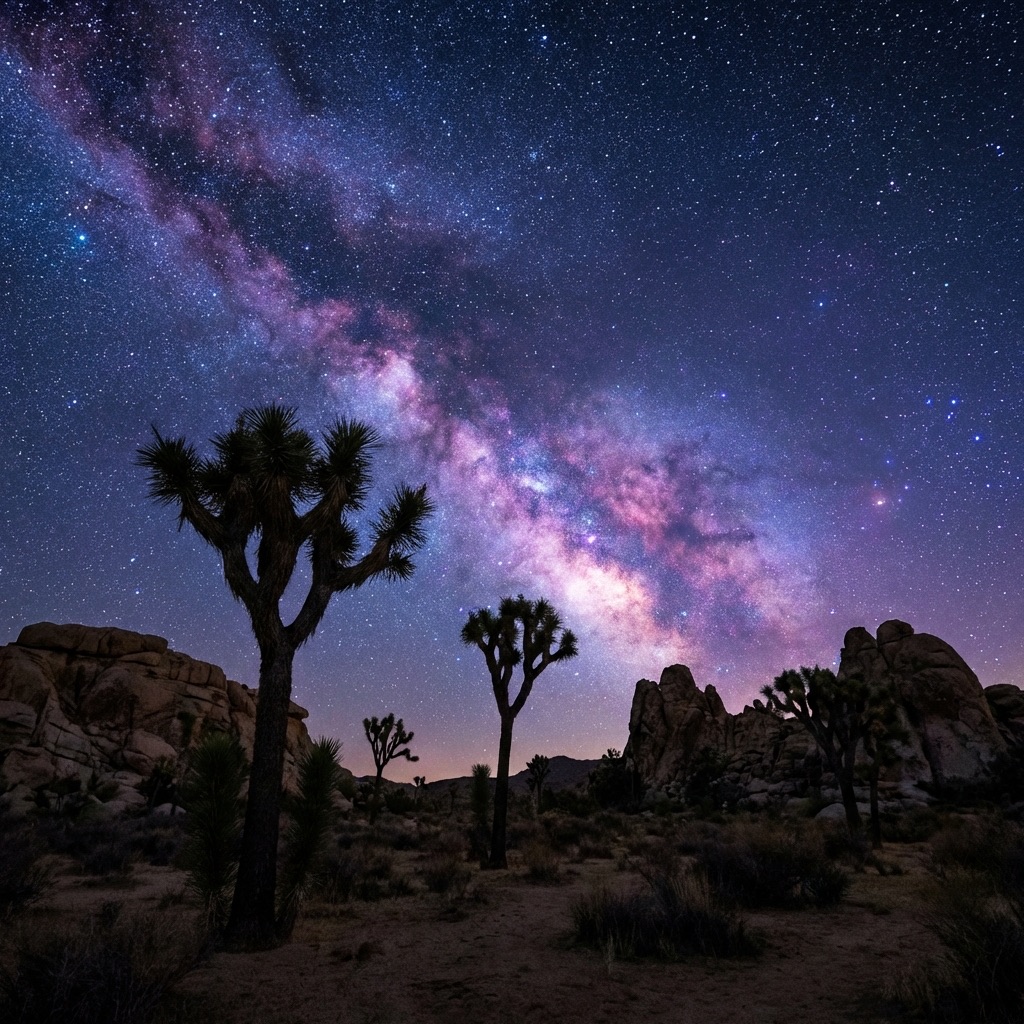
Best Stargazing Near Los Angeles: 7 Dark Sky Escapes
Escape LA's light pollution! 7 stunning dark sky spots within 3 hours—Joshua Tree, Death Valley, Anza-Borrego, and more. Essential Bortle ratings included.
End of Dossier • Research Complete