
Best Places to See the Northern Lights: 2026 Guide
Witnessing the Aurora Borealis is a bucket-list experience that requires the perfect mix of location, timing, and local knowledge. This year, as we approach solar maximum, your chances of seeing a world-class display are higher than they've been in a decade. Here are the top locations globally to catch the lights, along with the gear you'll need to survive the cold and capture the moment.
DH Research Lab
Data & Editorial Board
Expert Tested Gear & Affiliate Disclosure
This guide contains affiliate links. As an Amazon Associate, we earn from qualifying purchases.
01Tromsø, Norway: The Aurora Capital
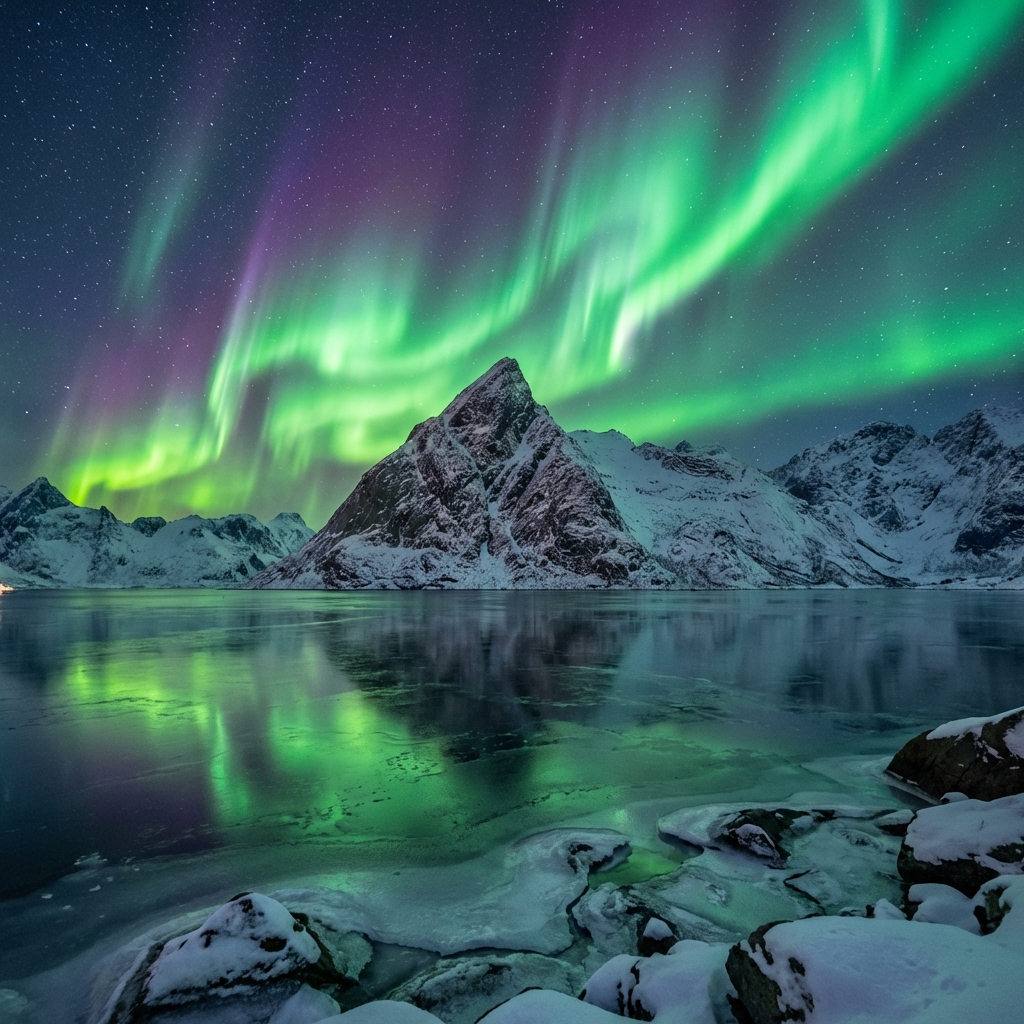
Located in the heart of the aurora oval, Tromsø offers some of the most consistent viewing opportunities in the world. Its location behind a mountain range often provides micro-climates that stay clear even when the coast is cloudy.
Why it's great:
- Excellent infrastructure and specialized aurora tours.
- High probability of viewing between September and April.
- Beautiful fjord backgrounds for photography.
Pro Tip: Pack high-quality thermal base layers. Norwegian winters are no joke when you're standing still for hours.
Sony FE 14mm f/1.8 GM Lens
“The ultimate wide-angle lens for astrophotography and auroras.”
RATIONALE
The f/1.8 aperture allows for ultra-short shutter speeds, essential for capturing the 'dancing' curtains of the aurora without them blurring into a green blob.
02Fairbanks, Alaska: American's Premier View
Fairbanks is far enough north and far enough inland to avoid much of the coastal cloud cover that plagues southern Alaska. It boasts over 240 aurora-visible nights per year.
What to expect:
- Incredible inland clarity.
- Access to the Chena Hot Springs—watch the lights from a thermal pool.
- Numerous 'aurora lodges' dedicated to overnight viewing.
Location Strategy
03Lapland, Finland: Glass Igloo Magic
Finland has mastered the 'luxury aurora' experience. In destinations like Rovaniemi or Saariselkä, you can watch the lights from specialized glass igloos.
Why it's unique:
- Stay warm while viewing the sky.
- Diverse activities like reindeer sledding and husky safaris.
- incredibly dark skies away from the main tourist hubs.
Visual Clarity
Inland Lapland offers very low humidity and stable air.
Photography
Snow-covered 'taiga' forests make for magical foregrounds.
Comfort
Best-in-class hospitality for winter travel.
04Iceland: Fire and Ice
Iceland offers a unique combination: auroras dancing over glaciers, volcanoes, and geothermal hot springs. The entire country is dark enough for viewing once you leave Reykjavik.
Why it's special:
- Dramatic landscapes provide unforgettable foregrounds
- Geothermal lagoons let you soak while watching the lights
- Flexible viewing—chase clear skies anywhere on the ring road
Best Spots:
- Thingvellir National Park
- Jökulsárlón Glacier Lagoon
- Snæfellsnes Peninsula
Manfrotto Element Traveler Tripod
“Lightweight, compact tripod for aurora chasing on the move.”
RATIONALE
Iceland trips involve constant driving. This tripod sets up in seconds and handles wind better than you'd expect for its weight.
05Yellowknife, Canada: North America's Aurora Capital
Located directly under the aurora oval, Yellowknife claims some of the highest viewing success rates in the world—over 90% across a 3-night stay.
What makes it exceptional:
- Positioned under the aurora oval for consistent displays
- Dry climate with low cloud cover (unlike coastal Alaska)
- Purpose-built aurora viewing lodges with heated cabins
Pro Tip: Book mid-August through April for the best chances. March offers good aurora activity with slightly warmer temperatures.
Indigenous Sky Tours
Frequently Asked Questions
Q:Where is the best place in the world to see the Northern Lights?
The 'Aurora Oval' destinations are the best: Tromsø (Norway), Fairbanks (Alaska), Yellowknife (Canada), and various spots in Iceland and Finnish Lapland. These locations offer the highest frequency of sightings due to their latitude and often have the infrastructure to help you chase clear skies.
Q:When is the best month to see the Northern Lights?
September to March are the best months, as the skies are dark enough at high latitudes. The weeks around the autumn equinox (September) and spring equinox (March) are often cited as the most active for geomagnetic storms, while January and February provide the longest hours of darkness.
Q:Do I need a tour to see the aurora or can I go alone?
You can certainly see them alone if you have a car and are comfortable driving in winter conditions. However, professional tours have expert 'chasers' who monitor real-time weather and satellite data to find clear pockets of sky, significantly increasing your chances, especially on partially cloudy nights.
Q:Is it guaranteed that I will see the lights if I travel to these places?
No, there are no guarantees. Seeing the lights requires both high solar activity AND clear skies. We recommend staying at least 3-5 nights in an aurora destination to maximize your window of opportunity.
Q:Does the cold affect my camera for aurora photography?
Yes, extreme cold drains batteries much faster. Always carry at least two spare batteries and keep them in an inner pocket close to your body heat. Keep your camera in its bag when moving from the cold outdoors to a warm indoor environment to prevent condensation from forming on the sensor and lenses.
Don't waste a clear-night chance
Get the field checklist, then use DarkestHour to decide if tonight's sky is actually worth your time, setup or travel.
Learn first. Decide with the map.
DarkestHour guides are free trust builders. Use them to understand conditions, then use Pro for saved spots, alerts and best-night decisions.
Find Your Darkest Sky
Use our real-time satellite maps to find locations with zero light pollution.
Launch Interactive MapPlan Your Deployment
Ready to experience these dark skies yourself? Use our interactive map to find the best dark-sky certified hotels, desert cabins, and observatories near this location.
Booking through this map supports Darkest Hour's light pollution research.
Your Learning Roadmap
You've mastered the travel basics. The next logical step in your technical progression is mastering astrophotography workflows.
MANDATORY FIELD EQUIPMENT
Celestron NexStar 8SE
The gold standard for deep-sky observation. 203mm aperture for maximum light gathering.
ZWO Seestar S50
Fully robotic imaging system. Perfect for urban environments and rapid deployment.
Peak Design Travel Tripod
Zero-latency stability for long exposure astrophotography. Carbon fiber construction.
Continue Your Research
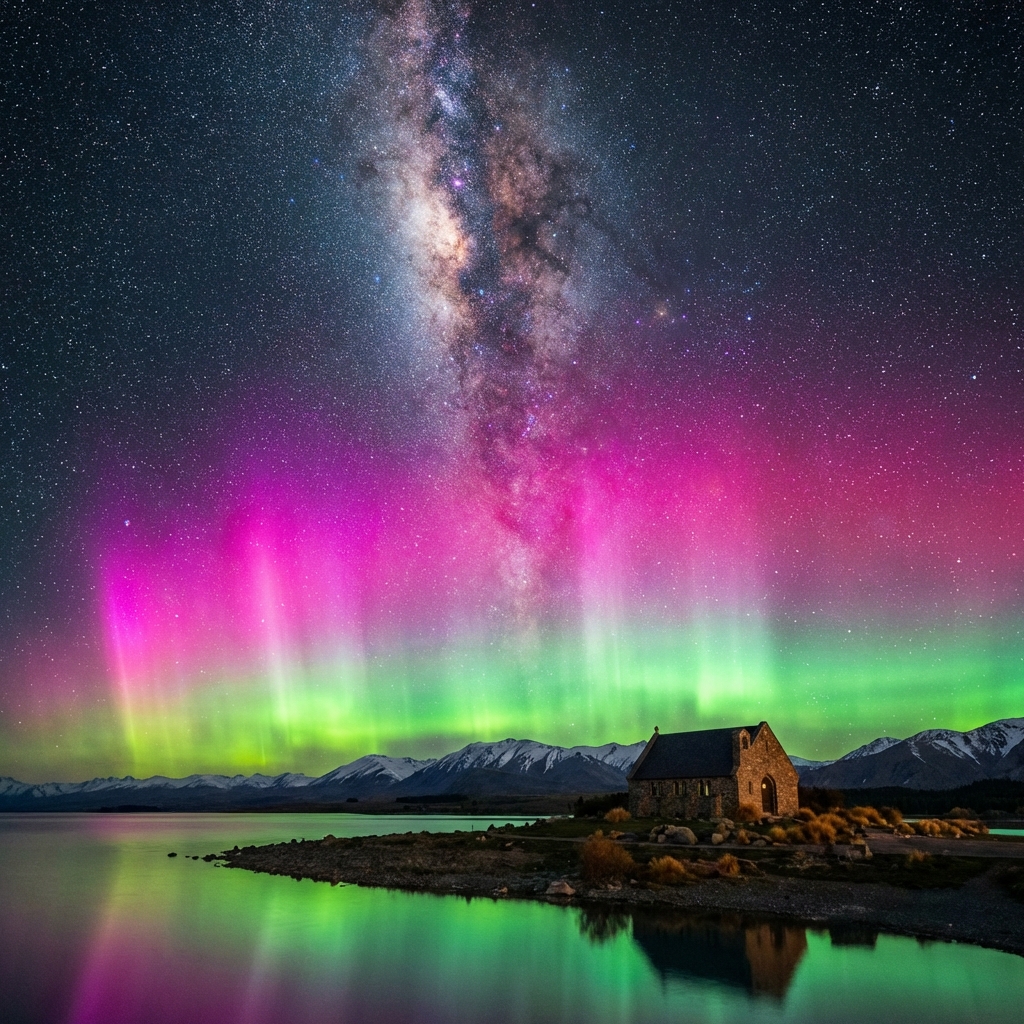
Best Places to See the Southern Lights (Aurora Australis)
Explore the best Southern Hemisphere locations for aurora hunting. Learn where to see the Southern Lights in New Zealand, Tasmania, and more.
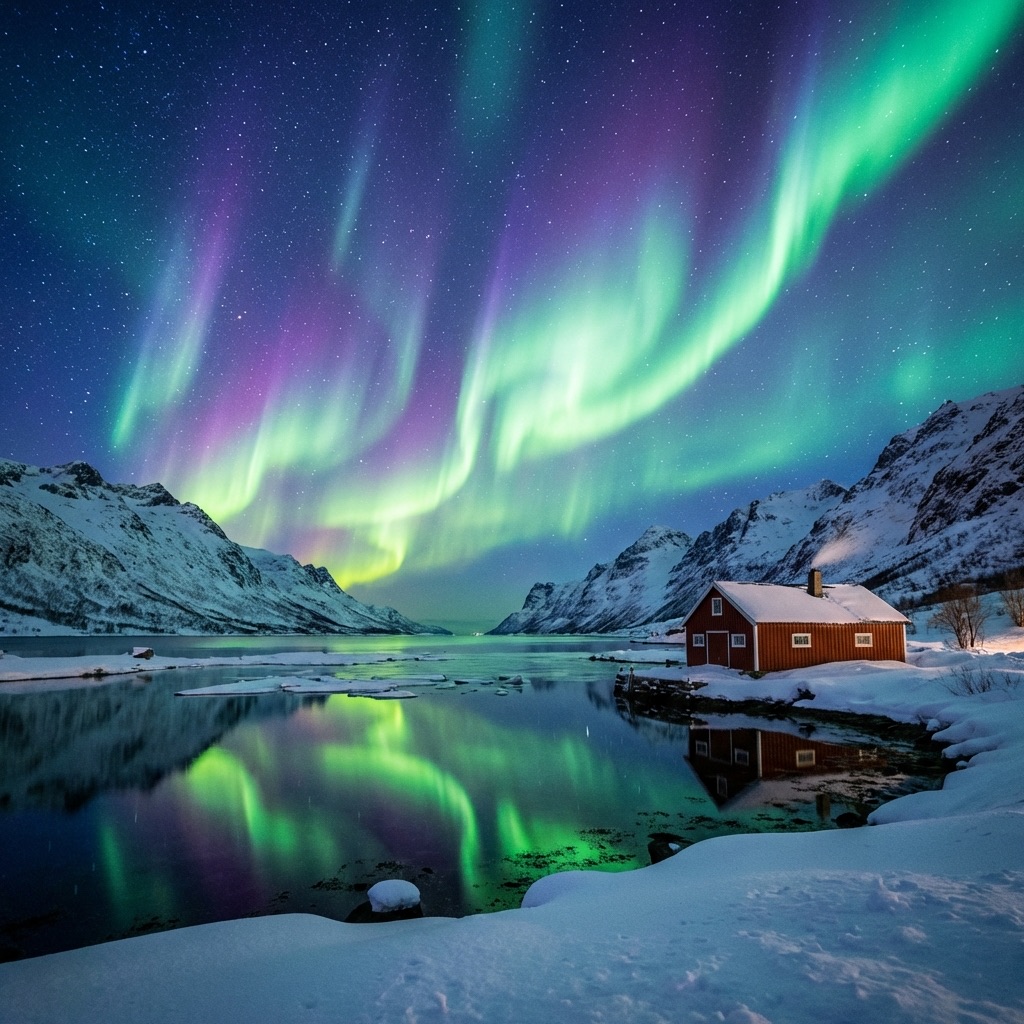
Northern Lights in Norway: 6 Arctic Escapes
The ultimate Norway aurora guide! 6 Arctic destinations—Tromsø, Lofoten, and Svalbard. Your expert guide to the 2026 northern lights.
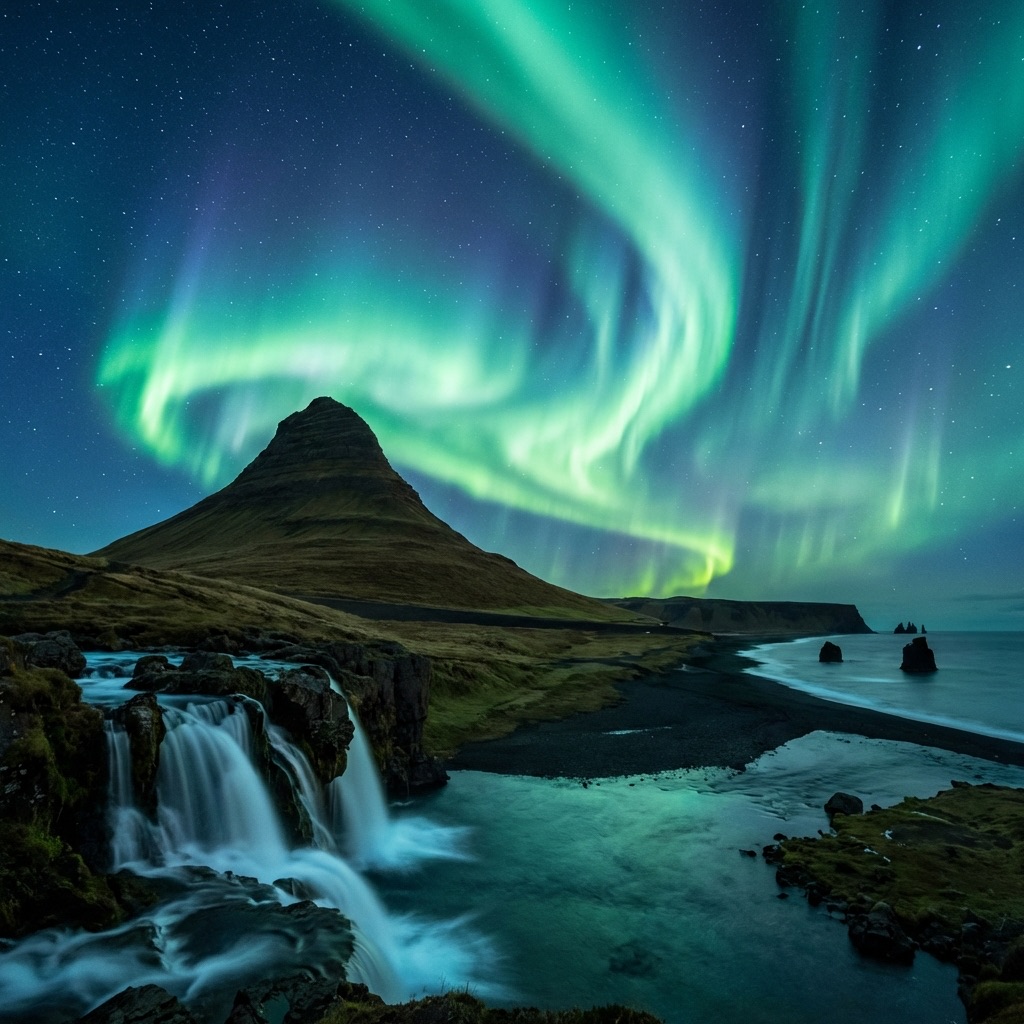
Northern Lights in Iceland: 6 Stunning Spots
Iceland is aurora heaven! 6 dark sky spots—Jökulsárlón, Kirkjufell, and more. Your guide to 2026 aurora tracking made easy.
End of Dossier • Research Complete