
Professional Astrophotography Gear: The Complete Deep Sky Setup
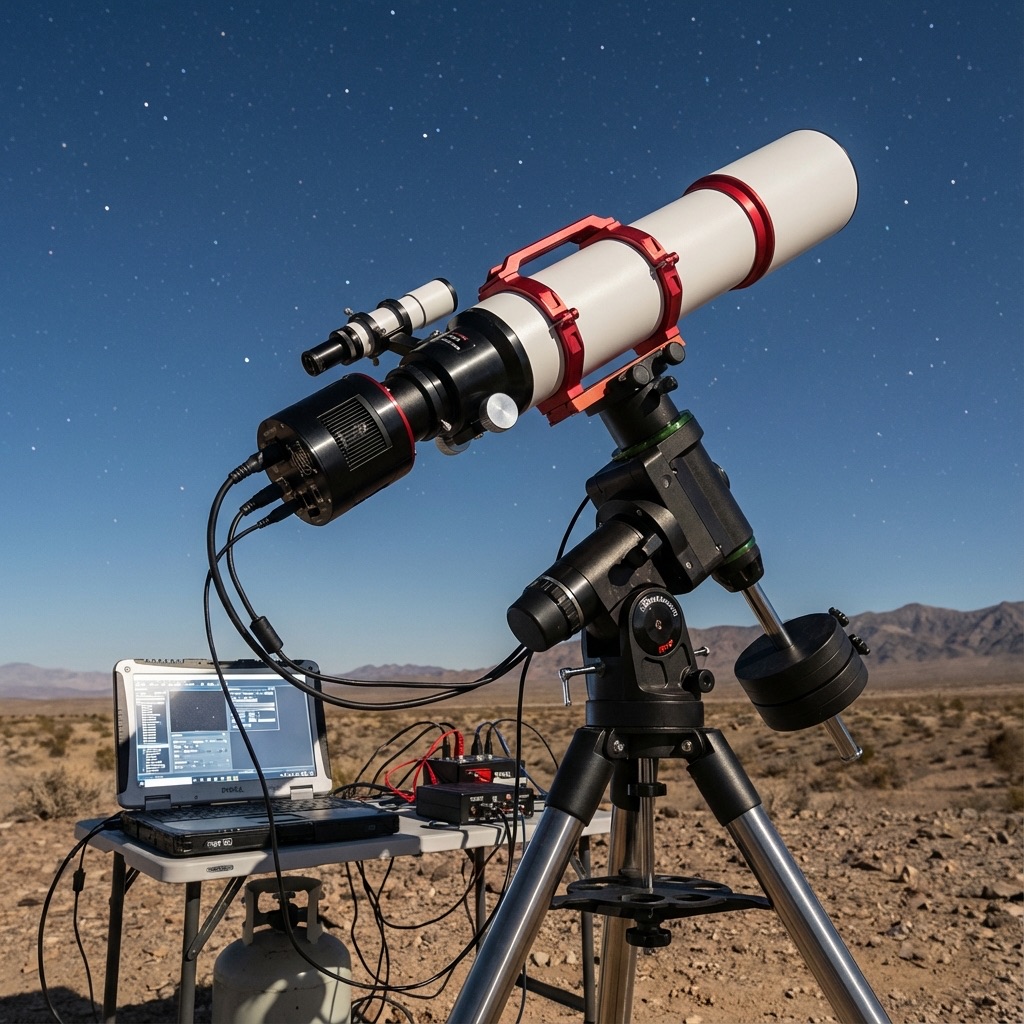
Professional-grade deep-sky imaging infrastructure requires active thermal management and sub-arcsecond tracking precision. This dossier outlines the hardware logic for deploying cooled CMOS arrays and equatorial GoTo systems for long-exposure deep-space acquisition.
DH Research Lab
Data & Editorial Board
Expert Tested Gear & Affiliate Disclosure
This guide contains affiliate links. As an Amazon Associate, we earn from qualifying purchases.
01The Mount (Again, The Most Important Piece)
I cannot stress this enough: the mount is the foundation. You can have the best telescope and camera in the world, but if your mount can't track accurately, every image will have trailed stars.
Equatorial GoTo mounts are required for deep sky work. They compensate for Earth's rotation by moving along one axis aligned with the celestial pole.
Autoguiding uses a second camera to make real-time corrections to mount tracking. For exposures longer than 2-3 minutes, this is essential.
Sky-Watcher EQ6-R Pro
“The workhorse of amateur deep sky imaging.”
RATIONALE
44-lb payload capacity, belt-driven for smooth tracking, and widely supported by autoguiding software. This mount can carry serious imaging rigs.
02The Telescope
For deep sky imaging, you want an "imaging telescope" designed specifically for photography—not visual observing. These prioritize flat, well-illuminated fields over eyepiece viewing.
Refractors (80-130mm APO) are popular for their sharp, color-free images and relatively forgiving tolerance for tracking errors.
Reflectors (Newtonian astrographs) offer more aperture per dollar but require more maintenance and precise collimation.
Focal Length vs. Field of View
03The Camera
Dedicated astronomy cameras outperform DSLRs for deep sky work. They're actively cooled (reducing thermal noise), have larger sensors, and can use narrowband filters.
Cooled CMOS cameras (like ZWO ASI series) are the current standard. They combine low noise, high sensitivity, and active cooling.
Monochrome vs Color: Mono cameras are more sensitive but require filters and multiple exposures. Color (OSC) cameras are simpler to use.
ZWO ASI2600MC Pro
“A color camera that rivals mono in many ways.”
RATIONALE
Large APS-C sensor, minimal amp glow, and excellent QE. Perfect for color imaging of large nebulae.
Cooling Matters
Cooled cameras reduce sensor noise dramatically, especially important for long exposures.
Filter Wheels
Mono cameras need filter wheels for LRGB or narrowband imaging. Budget for this.
Bias/Darks/Flats
Dedicated astro cameras still need calibration frames for best results.
Don't waste a clear-night chance
Get the field checklist, then use DarkestHour to decide if tonight's sky is actually worth your time, setup or travel.
Learn first. Decide with the map.
DarkestHour guides are free trust builders. Use them to understand conditions, then use Pro for saved spots, alerts and best-night decisions.
Find Your Darkest Sky
Use our real-time satellite maps to find locations with zero light pollution.
Launch Interactive MapYour Learning Roadmap
You've mastered the advanced basics. The next logical step in your technical progression is mastering astrophotography workflows.
MANDATORY FIELD EQUIPMENT
Celestron NexStar 8SE
The gold standard for deep-sky observation. 203mm aperture for maximum light gathering.
ZWO Seestar S50
Fully robotic imaging system. Perfect for urban environments and rapid deployment.
Peak Design Travel Tripod
Zero-latency stability for long exposure astrophotography. Carbon fiber construction.
Continue Your Research
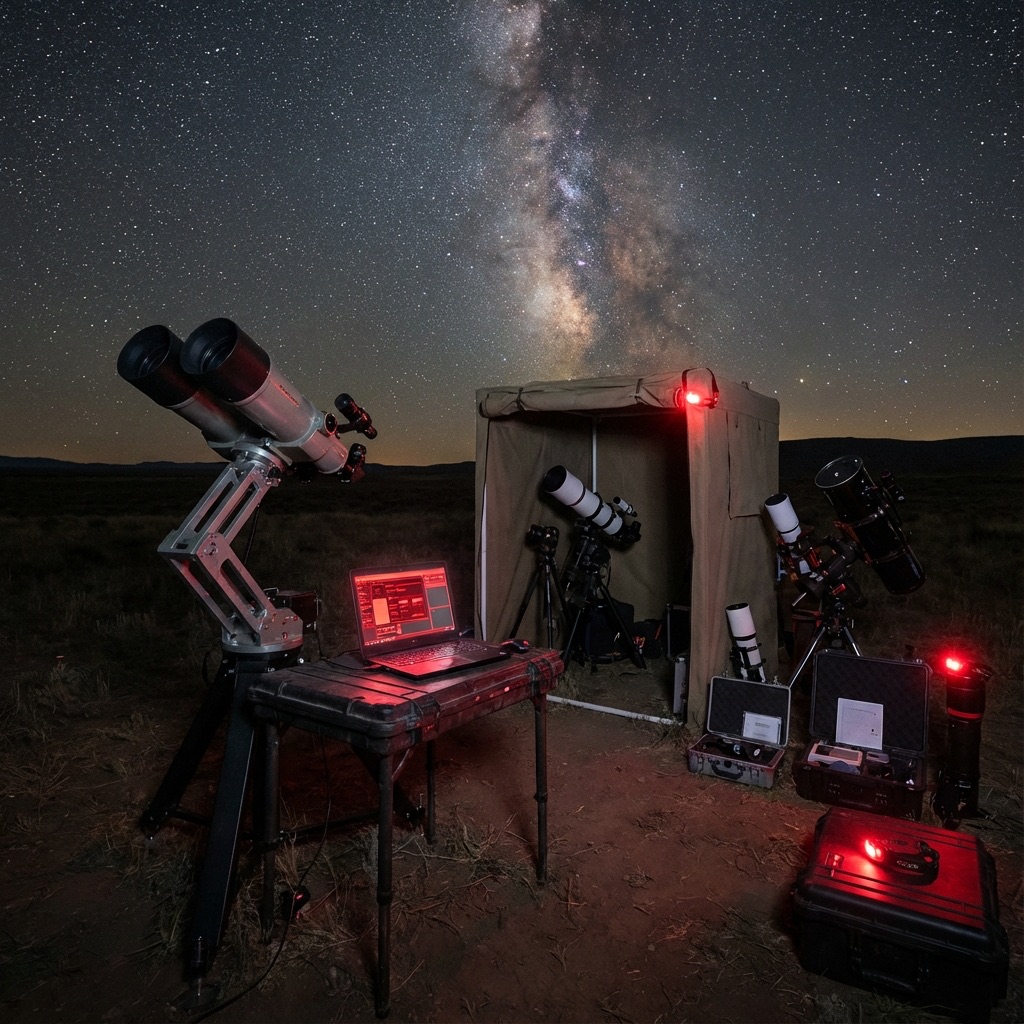
Professional Stargazing Gear: The Ultimate Field Setup
Discover the ultimate field setup for dedicated observers, featuring premium optics, all-weather protection, and professional station accessories.
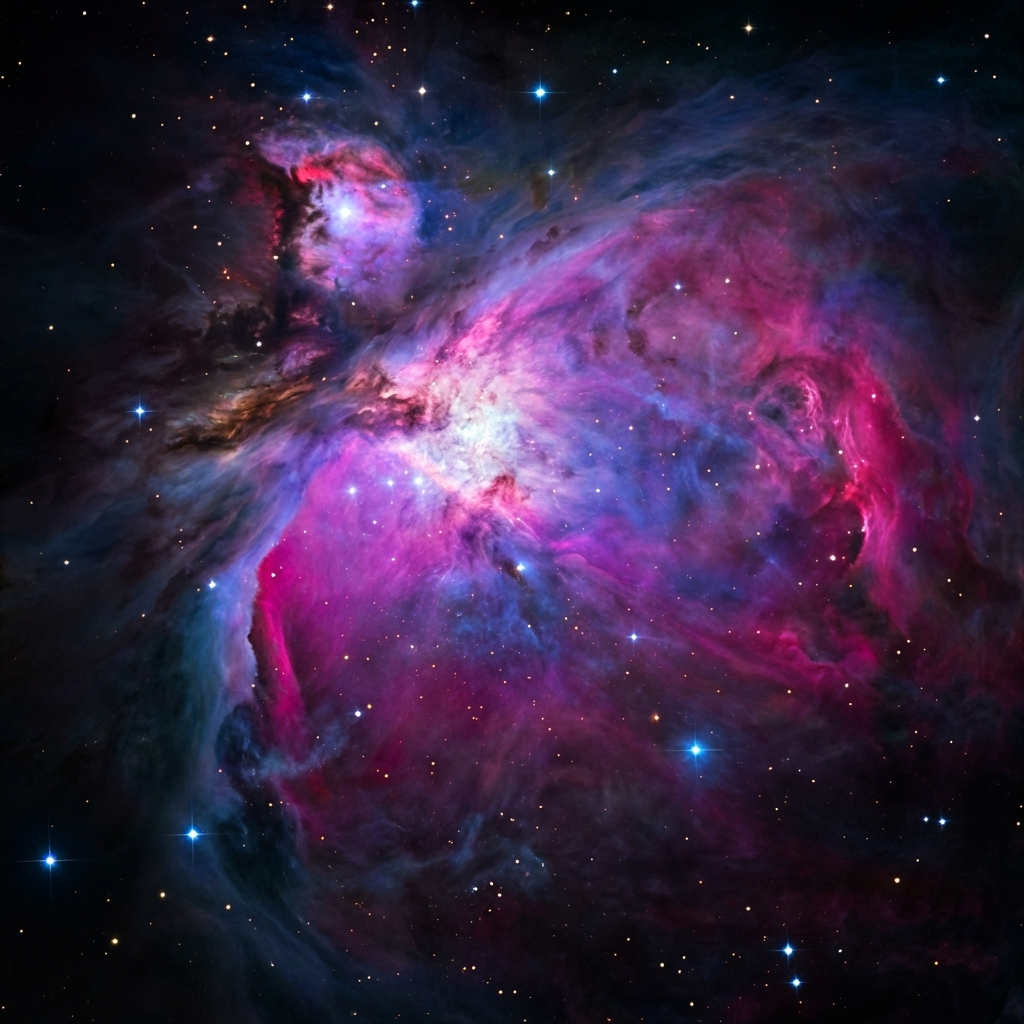
Advanced Deep Sky Astro: Mono Cameras & Narrowband
Ready to move beyond basics? We cover monochrome cameras, narrowband filters (SHO), dithering, and guiding for professional-grade deep sky images.
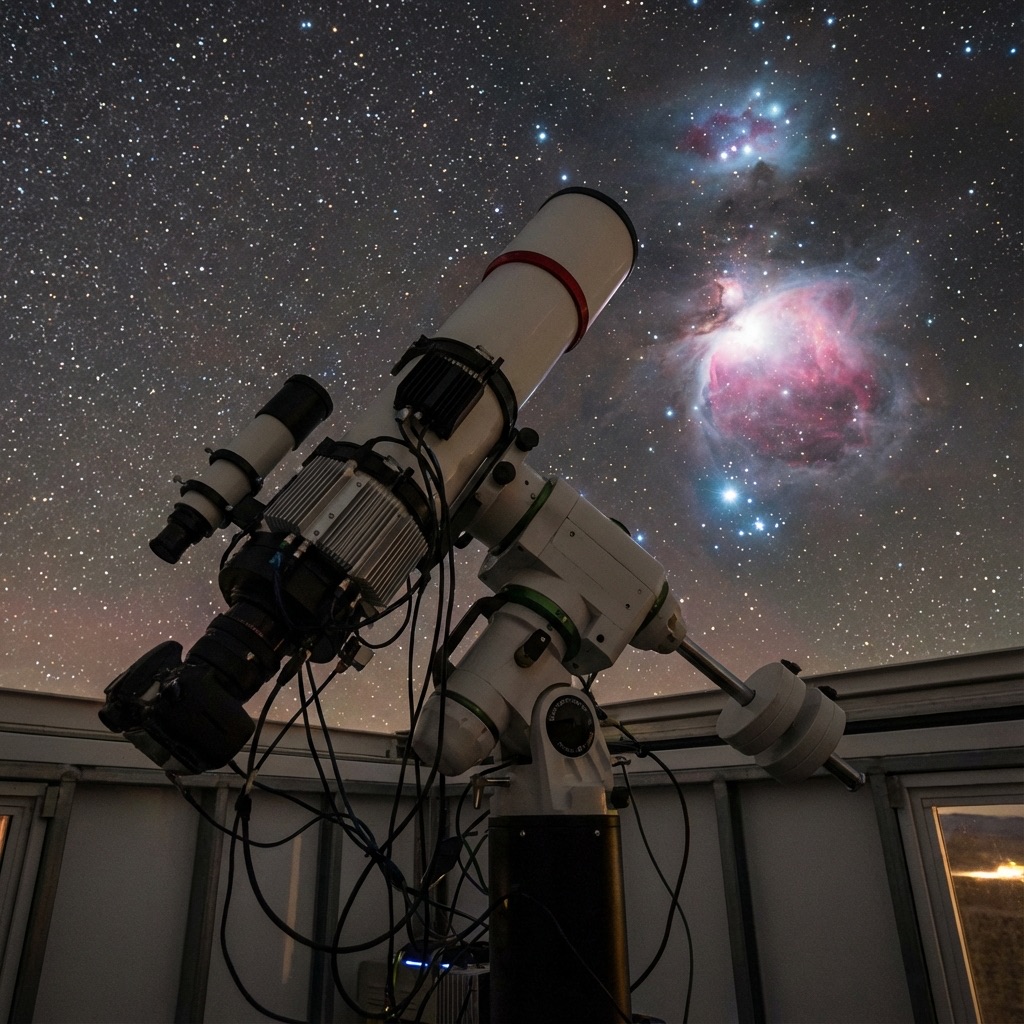
Deep Sky Imaging: The Complete Setup Guide
Master long-exposure imaging of deep sky objects with a dedicated rig. We cover sensors, optics, and tracking for professional-grade photos.
End of Dossier • Research Complete