
Professional Astronomy Gear: Observatory-Grade Equipment
Observatory-grade celestial acquisition requires a systematic approach to photon collection and structural stability. For the advanced observer in 2026, the transition from 'consumer gear' to 'research-grade optics' involves optimizing Strehl ratios, thermal equilibrium, and sub-arcsecond tracking precision. This technical brief outlines the hardware requirements for serious deep-sky photometry, planetary resolution, and high-cadence variable star monitoring.
DH Research Lab
Data & Editorial Board
Expert Tested Gear & Affiliate Disclosure
This guide contains affiliate links. As an Amazon Associate, we earn from qualifying purchases.
01Large-Aperture Telescopes
At this level, aperture is everything. More aperture means fainter targets resolved, more detail on planets, and faster imaging sessions.
Large Dobsonians (12-16") remain the best value for serious visual observing. They show spiral arm structure in galaxies and delicate detail in planetary nebulae.
Premium refractors (5-6" APO) offer the sharpest possible planetary views and are favorites for solar observation (with proper filters).
Explore Scientific 16-inch Truss Dob
“A portable light bucket.”
RATIONALE
16 inches of aperture breaks down for transport. Specialized manufacturer fulfillment ensures collimation integrity during transit.
02Research-Grade Mounts
Serious visual observers and outreach providers benefit from solid equatorial mounts, even without imaging. Objects stay centered as they drift across the sky, and tracking eliminates the need to constantly nudge the scope.
Larger payloads require larger mounts. A 12" SCT needs a mount rated for 60+ lbs.
Harmonic drive mounts (like ZWO AM5) represent a new generation: lighter, smoother, and maintenance-free.
Consider Permanent Piers
03Advanced Accessories
At this level, it's about optimization and specialization:
Paracorr coma correctors for Newtonians eliminate the coma distortion that plagues fast mirrors, making edge stars sharp.
Binoviewers let you observe with both eyes, reducing fatigue during long sessions and often revealing more detail.
Electronic eyepieces (like Unistellar or eVscope-style setups) blend real-time stacking with visual observing. Controversial among purists, but undeniably impressive.
Observing Chair
A proper adjustable observing chair is mandatory with large Dobs. Your back will thank you.
Dew Control
Sophisticated dew control with multiple heating zones keeps optics clear all night.
Clubs & Societies
Join a serious astronomy club. Access to dark-sky sites and collective knowledge is invaluable.
Don't waste a clear-night chance
Get the field checklist, then use DarkestHour to decide if tonight's sky is actually worth your time, setup or travel.
Learn first. Decide with the map.
DarkestHour guides are free trust builders. Use them to understand conditions, then use Pro for saved spots, alerts and best-night decisions.
Find Your Darkest Sky
Use our real-time satellite maps to find locations with zero light pollution.
Launch Interactive MapPlan Your Deployment
Ready to experience these dark skies yourself? Use our interactive map to find the best dark-sky certified hotels, desert cabins, and observatories near this location.
Booking through this map supports Darkest Hour's light pollution research.
Your Learning Roadmap
You've mastered the advanced basics. The next logical step in your technical progression is mastering astrophotography workflows.
MANDATORY FIELD EQUIPMENT
Celestron NexStar 8SE
The gold standard for deep-sky observation. 203mm aperture for maximum light gathering.
ZWO Seestar S50
Fully robotic imaging system. Perfect for urban environments and rapid deployment.
Peak Design Travel Tripod
Zero-latency stability for long exposure astrophotography. Carbon fiber construction.
Continue Your Research
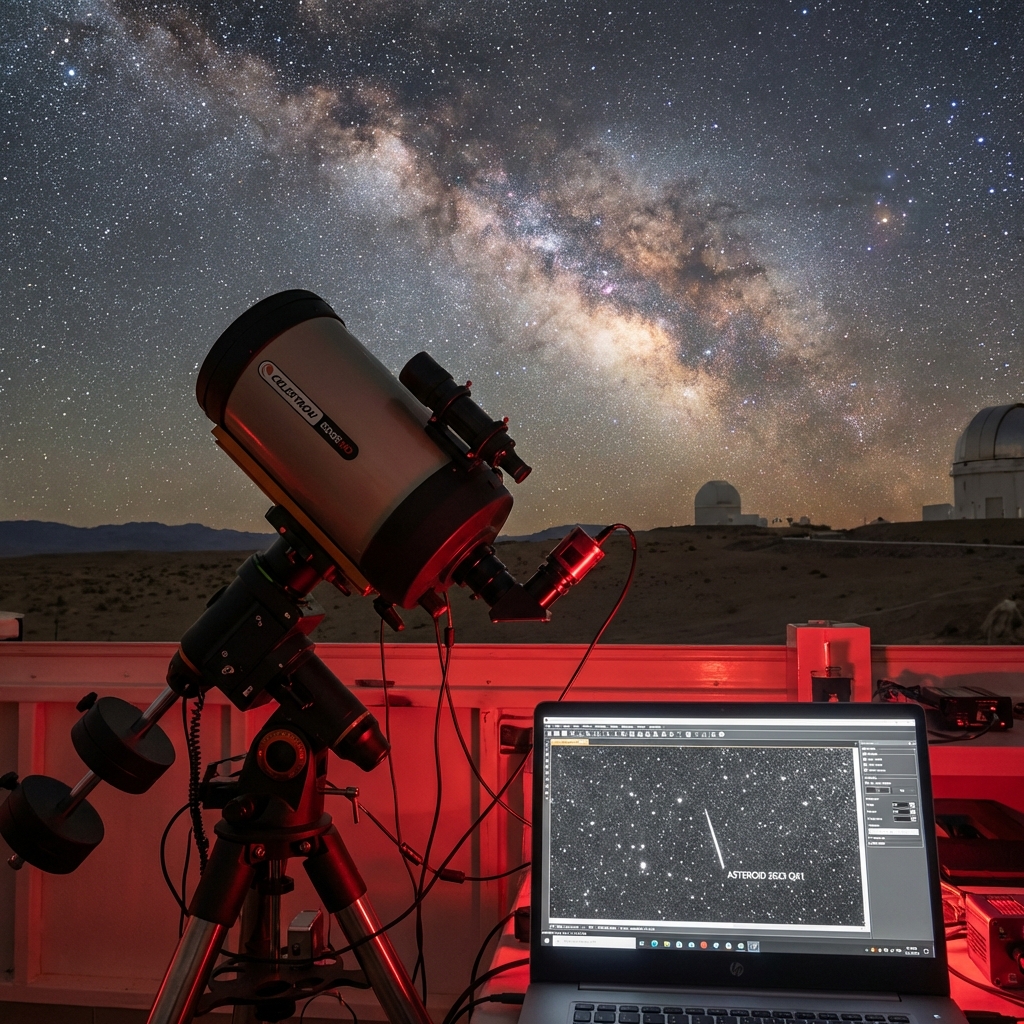
Planetary Defense: How Amateurs Track 'Killer' Asteroids
Learn how to use your backyard telescope for planetary defense. A guide to tracking Near-Earth Objects (NEOs) and submitting data to the Minor Planet Center.
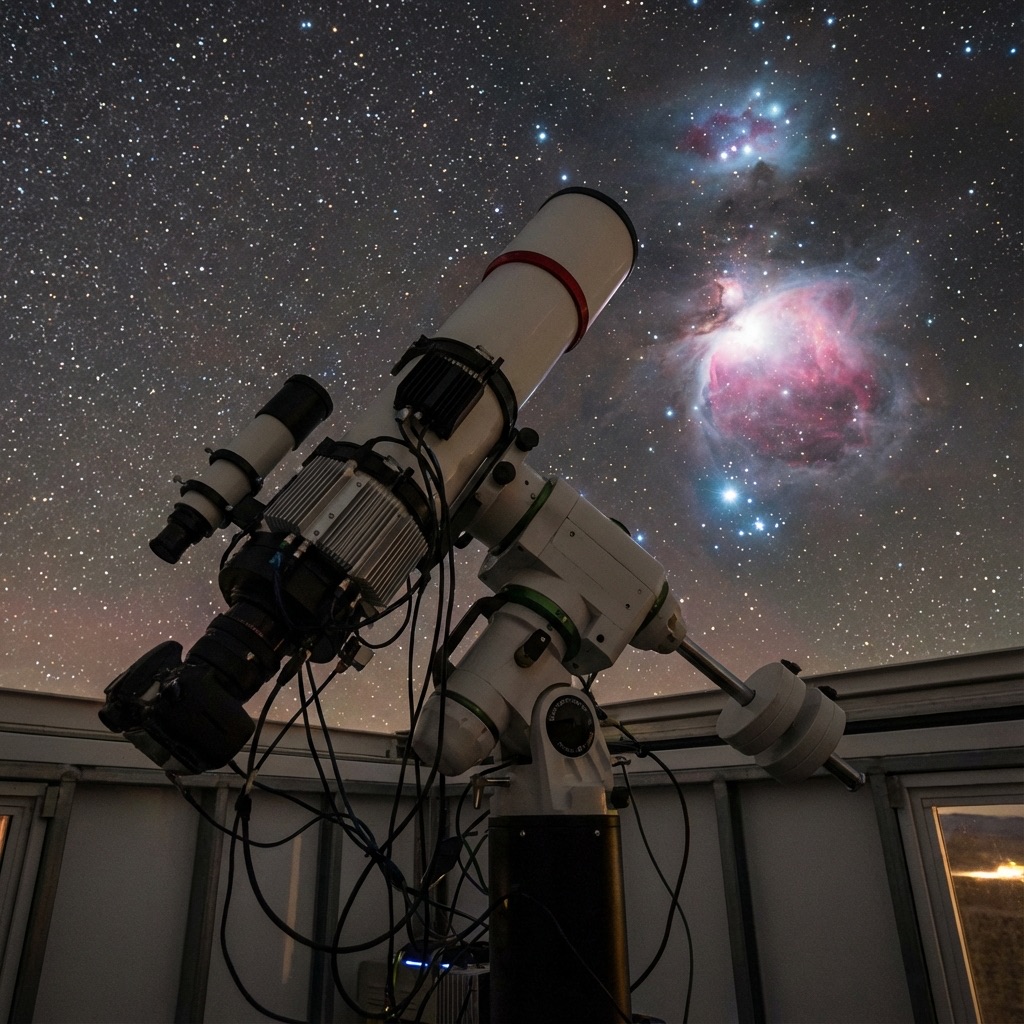
Deep Sky Imaging: The Complete Setup Guide
Master long-exposure imaging of deep sky objects with a dedicated rig. We cover sensors, optics, and tracking for professional-grade photos.
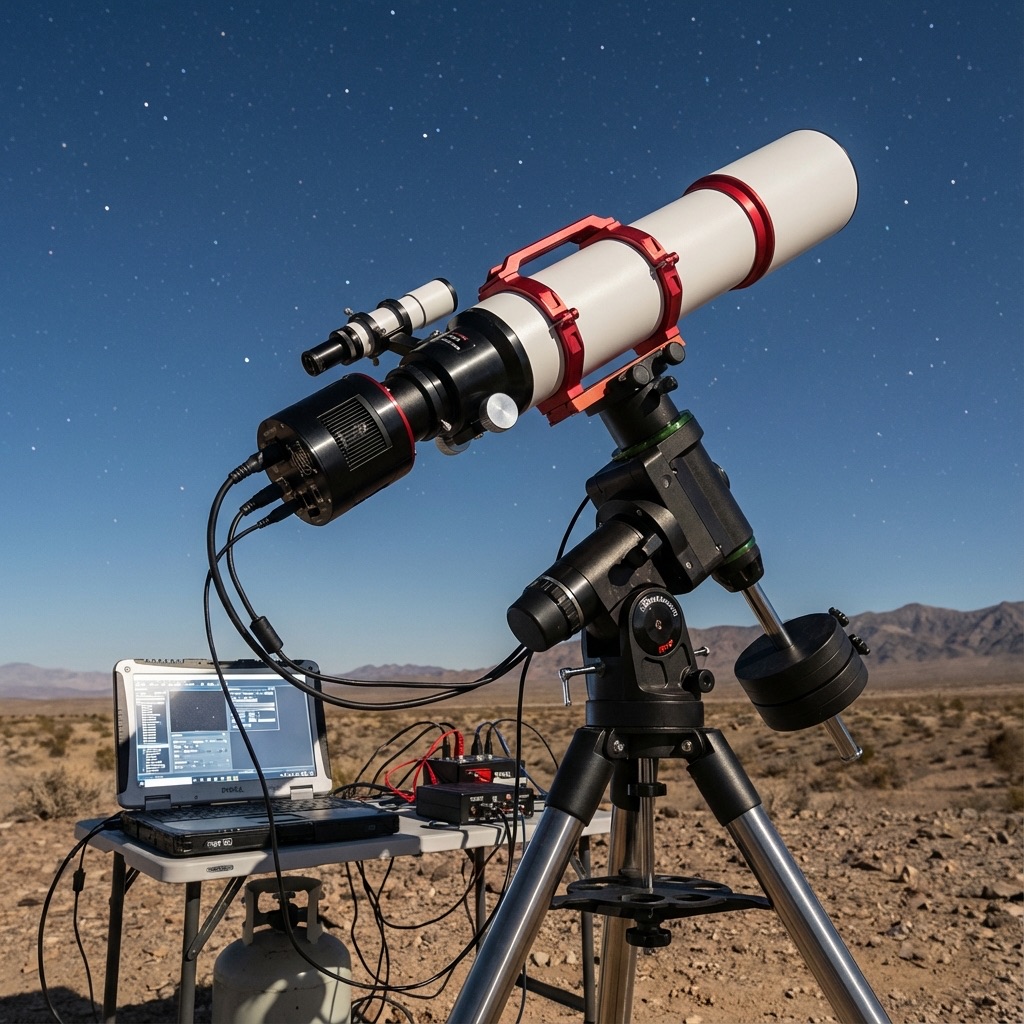
Professional Astrophotography Gear: Deep Sky Setup
Build the ultimate deep sky rig with cooled cameras, precision harmonic mounts, and apochromatic imaging telescopes for serious astrophotography.
End of Dossier • Research Complete