Astronomy Gear for Hobbyists: GoTo Scopes & Premium Eyepieces
The transition to automated celestial positioning (GoTo) and specialized wave-filtering is a critical milestone in astronomical proficiency. This technical dossier outlines the hardware path for hobbyists seeking to expand their deep-sky acquisition range via computerized assistance.
DH Research Lab
Data & Editorial Board
Expert Tested Gear & Affiliate Disclosure
This guide contains affiliate links. As an Amazon Associate, we earn from qualifying purchases.
01GoTo Telescopes
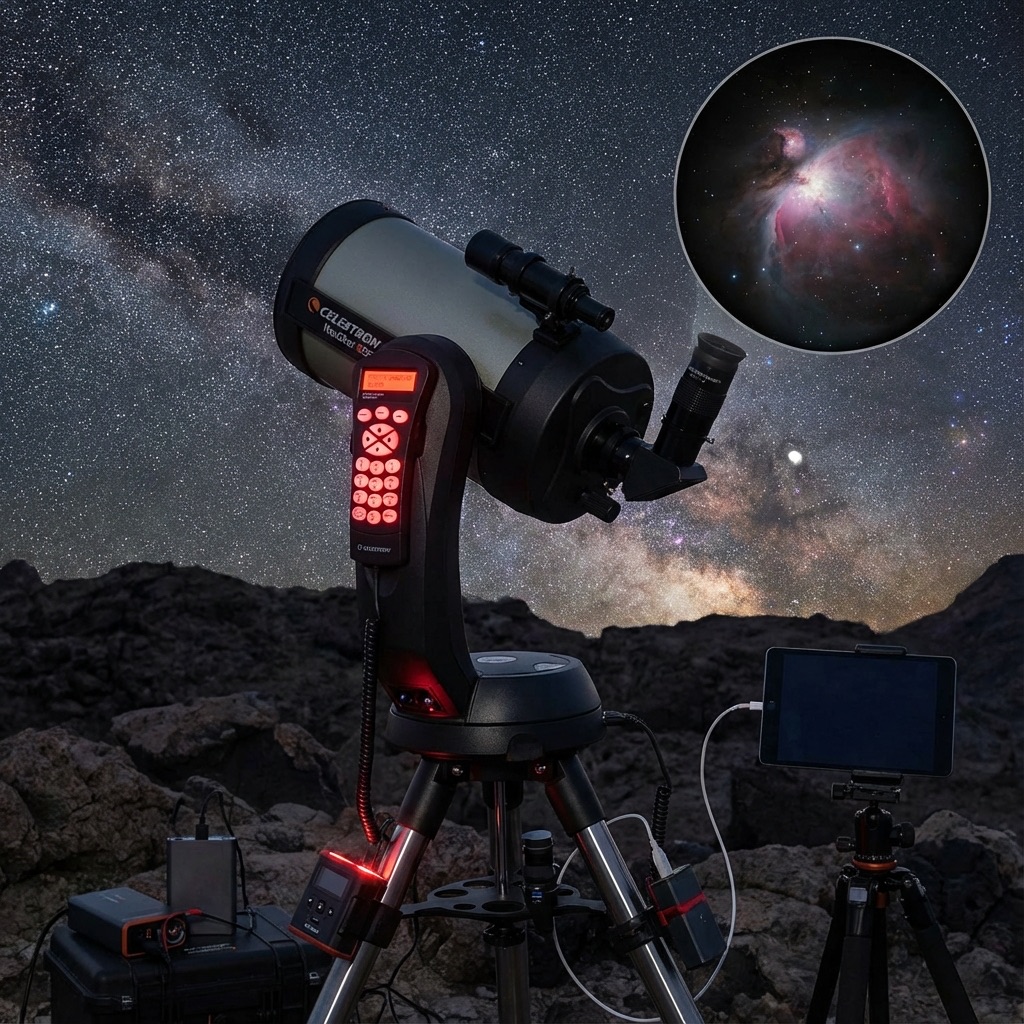
GoTo mounts have built-in computers that automatically point to thousands of celestial objects. Type in "M31" and the scope slews to the Andromeda Galaxy.
The advantages are obvious: you spend more time observing and less time hunting. You can find faint objects you'd never locate manually. And they're genuinely fun to use.
The tradeoff is complexity. You'll need power (batteries or a power tank), and initial alignment takes a few minutes. But for most hobbyists, the payoff is worth it.
Celestron NexStar 8SE
“The iconic computerized telescope.”
RATIONALE
8 inches of aperture in a compact SCT design. The database includes 40,000+ objects. Set it up, align, and explore.
02Premium Eyepieces
Your telescope's performance is limited by its eyepieces. Upgrading to premium glass is like putting HD glasses on your scope.
Wider fields of view make finding objects easier and provide immersive views. Budget eyepieces offer 40-50°; premium eyepieces offer 70-100°.
Better edge sharpness means stars look like points across the entire field, not just the center.
More eye relief makes viewing comfortable, especially if you wear glasses.
The 2-Eyepiece Kit
03Specialized Filters
Filters screw into eyepieces and selectively pass or block certain wavelengths. For hobbyists, two types matter most:
Light pollution filters block the wavelengths produced by sodium and mercury vapor lights, improving contrast on deep sky objects from suburban locations.
Narrowband/line filters (like O-III or H-beta) pass only specific nebular emission wavelengths, dramatically enhancing objects like the Veil Nebula or Horsehead.
Moon/ND Filters
Dim the blinding lunar surface and reveal subtle crater detail.
Planetary Filters
Color filters (blue, red, green) can enhance contrast on planetary features.
UHC Filters
Ultra High Contrast filters work on emission nebulae from light-polluted sites.
Don't waste a clear-night chance
Get the field checklist, then use DarkestHour to decide if tonight's sky is actually worth your time, setup or travel.
Learn first. Decide with the map.
DarkestHour guides are free trust builders. Use them to understand conditions, then use Pro for saved spots, alerts and best-night decisions.
Find Your Darkest Sky
Use our real-time satellite maps to find locations with zero light pollution.
Launch Interactive MapYour Learning Roadmap
You've mastered the intermediate basics. The next logical step in your technical progression is mastering advanced deep sky setups.
MANDATORY FIELD EQUIPMENT
Celestron NexStar 8SE
The gold standard for deep-sky observation. 203mm aperture for maximum light gathering.
ZWO Seestar S50
Fully robotic imaging system. Perfect for urban environments and rapid deployment.
Peak Design Travel Tripod
Zero-latency stability for long exposure astrophotography. Carbon fiber construction.
Continue Your Research
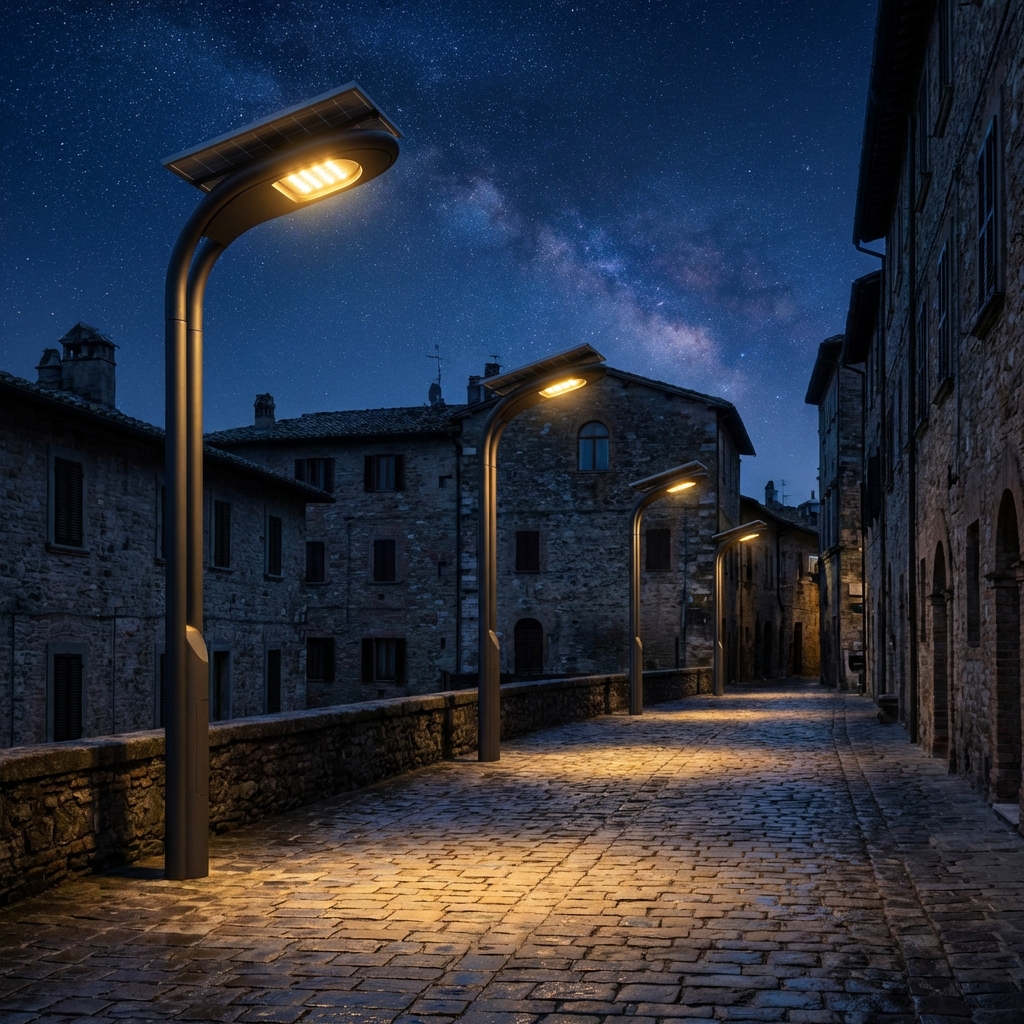
Light Pollution Solutions: Filters & Techniques
Fight back against city glow with the right light pollution filters and observing strategies. See more stars from your suburban backyard tonight.
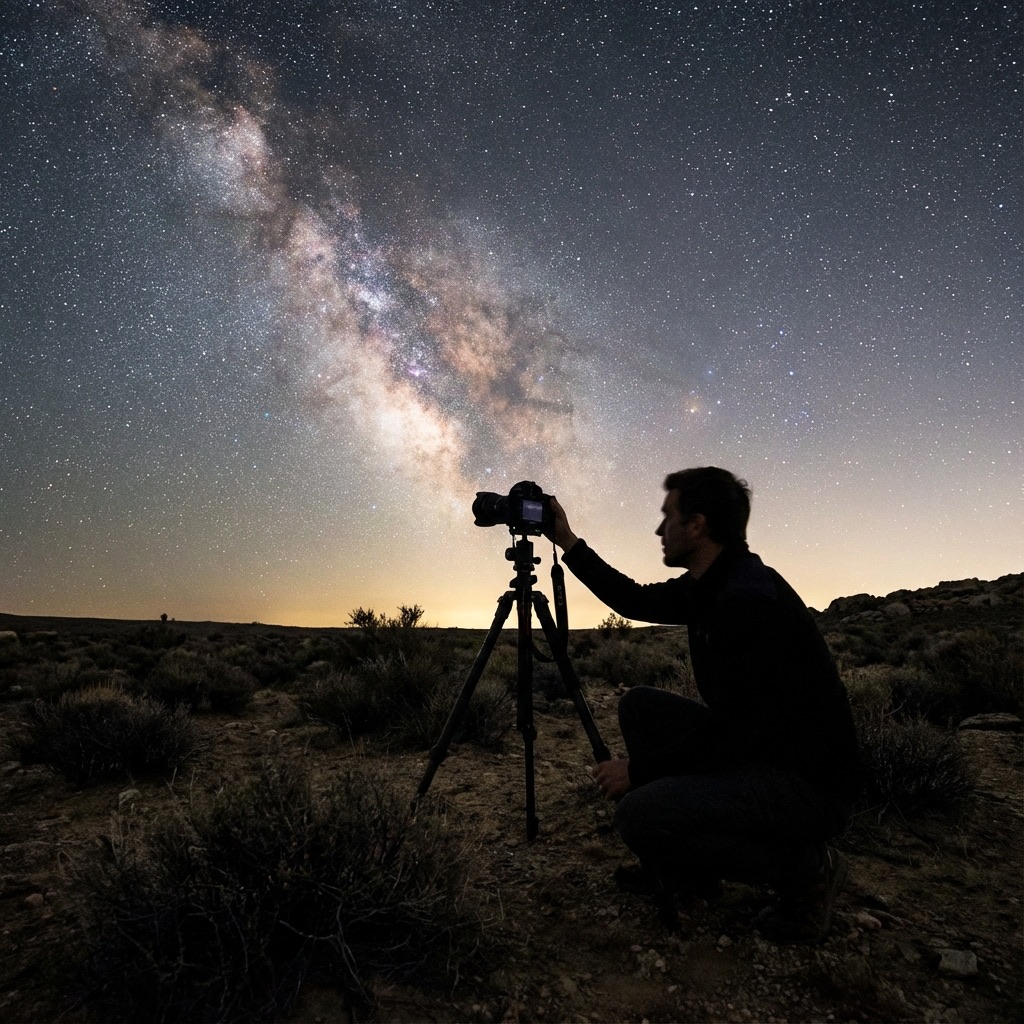
Astrophotography on a Budget: Milky Way for Under $500
Learn to photograph the night sky with affordable equipment. Our complete gear guide shows you how to capture the Milky Way for under $500.
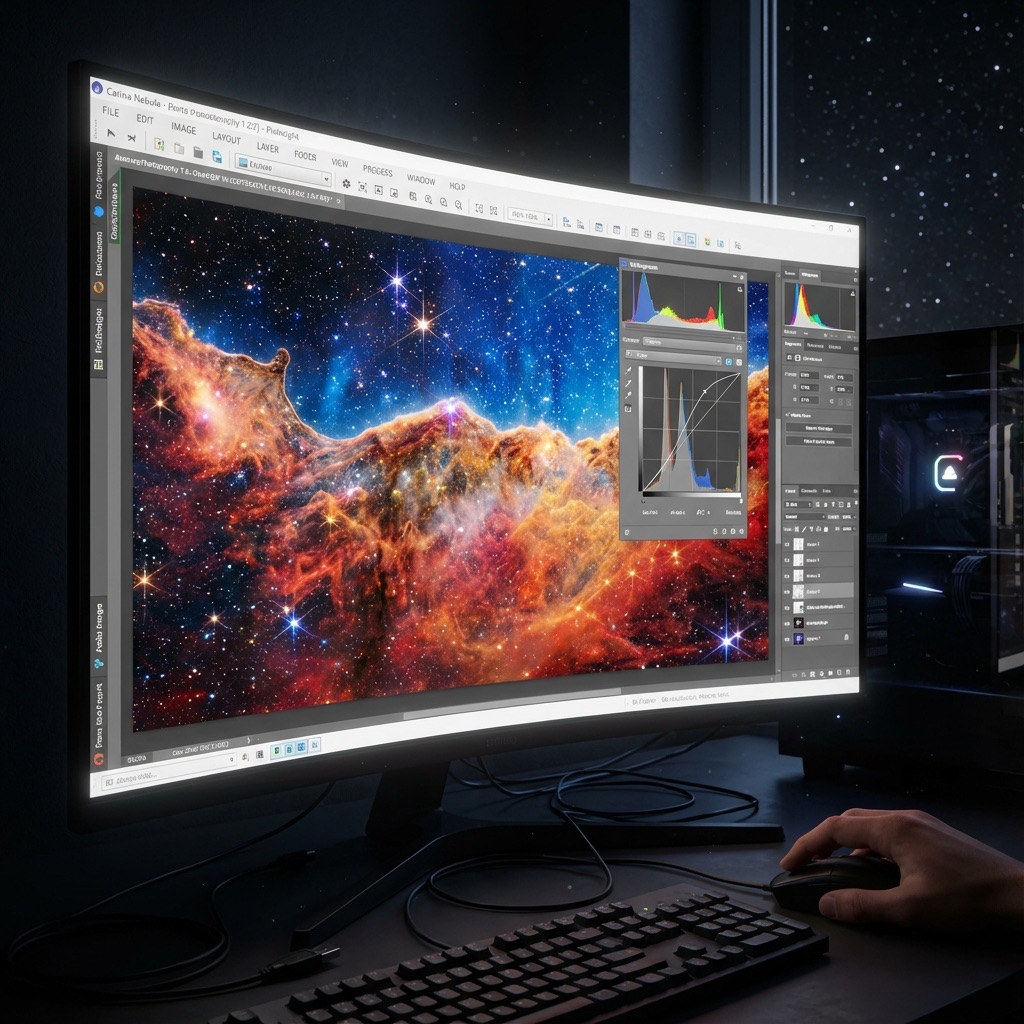
Astrophotography Post-Processing: From RAW to Stunning
Transform flat, noisy RAW files into vibrant, detailed images. Our step-by-step post-processing guide covers stacking, stretching, and color correction.
End of Dossier • Research Complete