
Total Solar Eclipse 2026: The Ultimate Guide for Europe
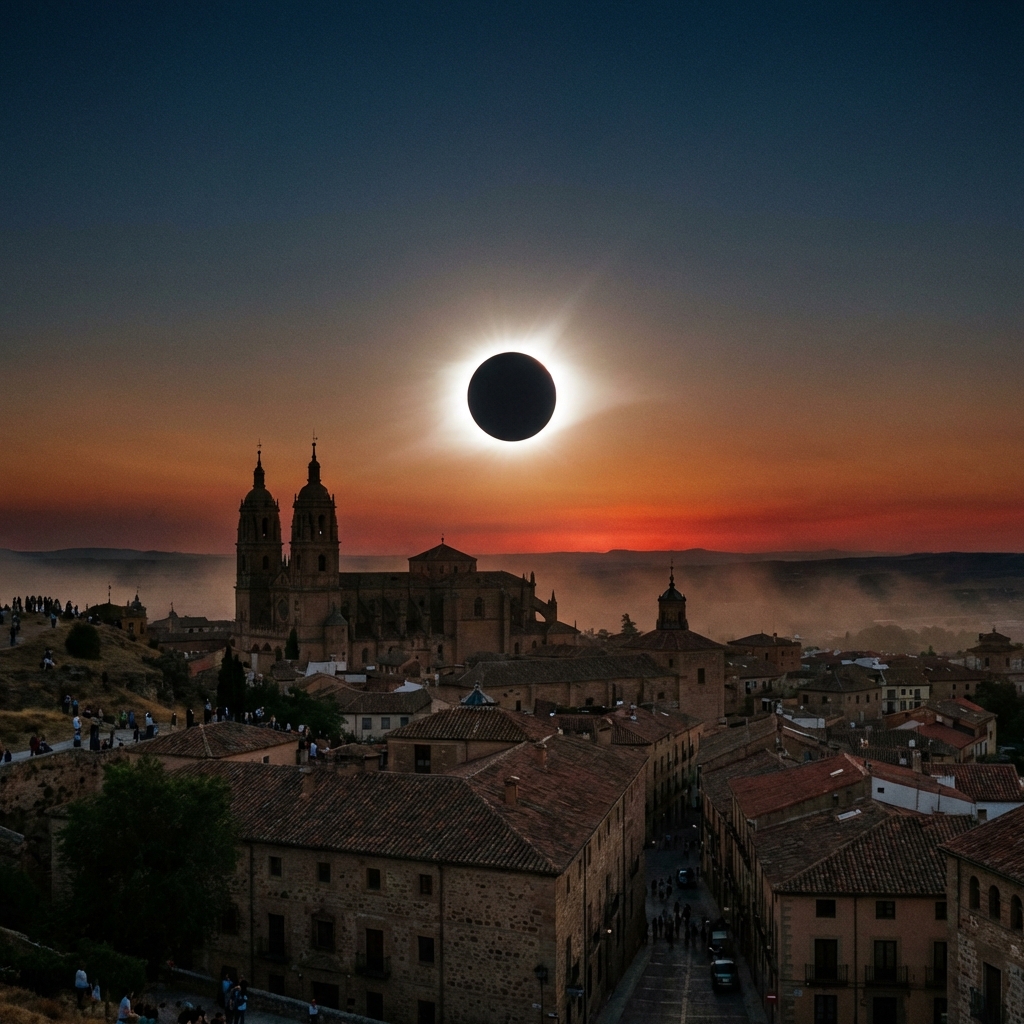
Mark your calendars: on August 12, 2026, the moon will completely obscure the sun, casting a path of totality across Greenland, Iceland, and Spain. It is the astronomical pilgrimage of the decade. DH Research Lab has analyzed the weather patterns and orbital mechanics to bring you the definitive guide to witnessing the 2026 'Great European' Eclipse.
DH Research Lab
Data & Editorial Board
Expert Tested Gear & Affiliate Disclosure
This guide contains affiliate links. As an Amazon Associate, we earn from qualifying purchases.
01The Path of Totality
The 2026 eclipse path is unique, crossing remote Arctic wilderness before sweeping across the Iberian Peninsula.
Key Viewing Locations:
- Iceland: The path crosses the capital, Reykjavik, and the beautiful Westfjords. Weather presents a significant variable here, but the scenery is unmatched.
- Northern Spain: Cities like Gijón, León, and Burgos will experience totality in the late evening.
- Palma, Mallorca: One of the last places to see the eclipse before sunset. Perfect for 'sunset eclipse' photography.
Meteorological Probability: Spain: Statistically, Spain offers the highest probability of clear skies in August. Note: The solar altitude will be extremely low (<10°), demanding an unobstructed western horizon.
Horizon Clearance
02Photography Workflow: Low-Horizon Eclipse
Photographing a low-horizon eclipse requires a different strategy than the 2024 North American event. The objective shifts from solar close-ups to wide-field environmental astrophotography.
Foregrounds
Recommendation: Wide-angle optics (14-24mm) to frame the 'Eclipse Sunset' against land or sea.
Atmospheric Extinction
Expect high scintillation and significant chromatic shift (deep reddening) as the sun skirts the horizon.
Exposure Timing
As the sun nears the horizon, light drops fast. Be ready to ramp your ISO higher than usual.
03Safety First: Solar Filters
Mandatory Safety Protocol: You MUST use ISO-certified solar eclipse glasses (ISO 12312-2) for every phase except the few minutes of totality. Standard sunglasses, including polarized models, offer zero protection against retinal thermal injury.
Lunt Solar Systems Eclipse Glasses
“Premium, ultra-safe glasses that block 99.999% of intense visible light and 100% of harmful UV/IR.”
RATIONALE
Manufactured in the USA and rigorously tested to international safety standards.
Frequently Asked Questions
Q:Where is the best place to see the 2026 eclipse?
For the best weather prospects, Northern Spain (cities like Burgos or Zaragoza) is the top choice. For the most dramatic scenery, Western Iceland is incredible, though cloud cover is more likely.
Q:When is the next total solar eclipse after 2026?
The next major total solar eclipse after August 2026 occurs on August 2, 2027, crossing Spain, North Africa, and the Middle East (including Luxor, Egypt).
Don't waste a clear-night chance
Get the field checklist, then use DarkestHour to decide if tonight's sky is actually worth your time, setup or travel.
Learn first. Decide with the map.
DarkestHour guides are free trust builders. Use them to understand conditions, then use Pro for saved spots, alerts and best-night decisions.
Find Your Darkest Sky
Use our real-time satellite maps to find locations with zero light pollution.
Launch Interactive MapPlan Your Deployment
Ready to experience these dark skies yourself? Use our interactive map to find the best dark-sky certified hotels, desert cabins, and observatories near this location.
Booking through this map supports Darkest Hour's light pollution research.
Your Learning Roadmap
You've mastered the events basics. The next logical step in your technical progression is mastering astrophotography workflows.
MANDATORY FIELD EQUIPMENT
Celestron NexStar 8SE
The gold standard for deep-sky observation. 203mm aperture for maximum light gathering.
ZWO Seestar S50
Fully robotic imaging system. Perfect for urban environments and rapid deployment.
Peak Design Travel Tripod
Zero-latency stability for long exposure astrophotography. Carbon fiber construction.
Continue Your Research
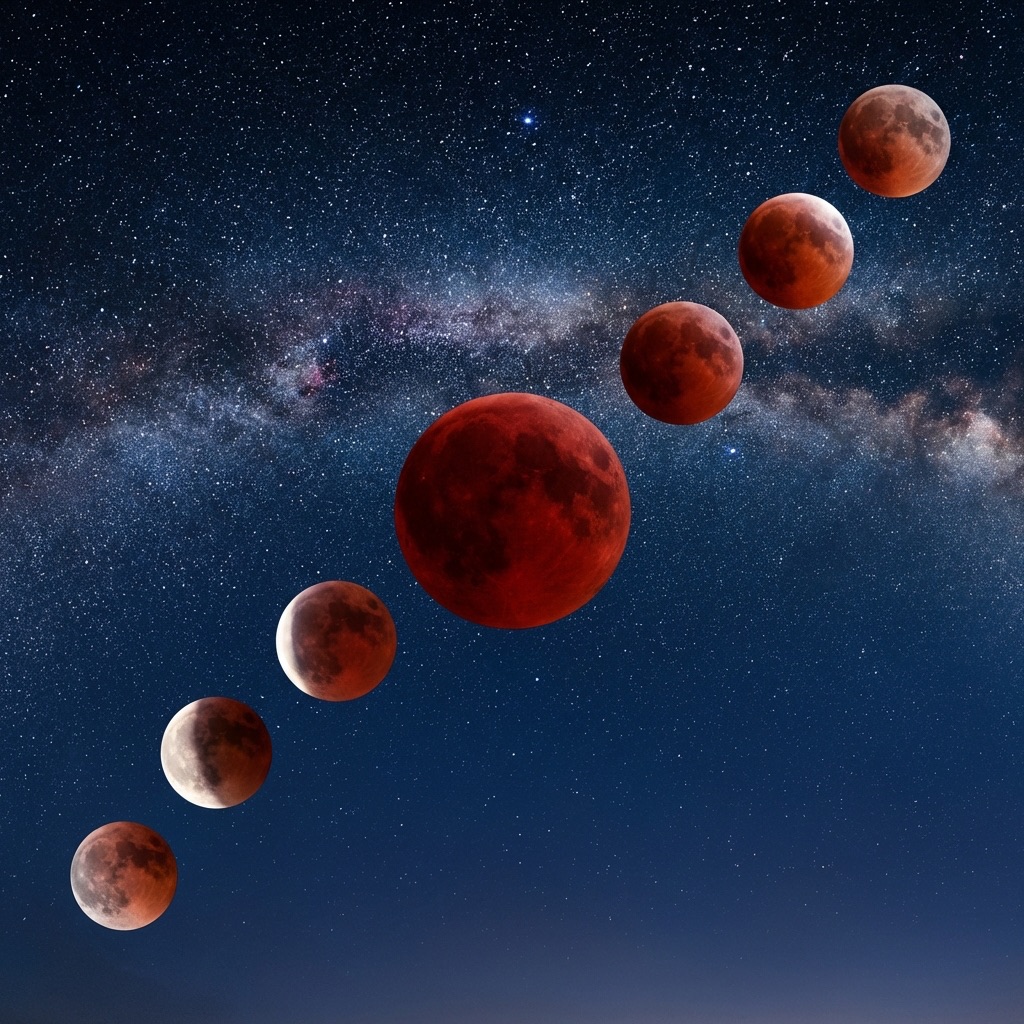
Total Lunar Eclipse March 2026: Blood Moon Guide
The last Blood Moon until 2028! Complete guide to the March 2026 total lunar eclipse with viewing times, photography settings, and essential gear picks.
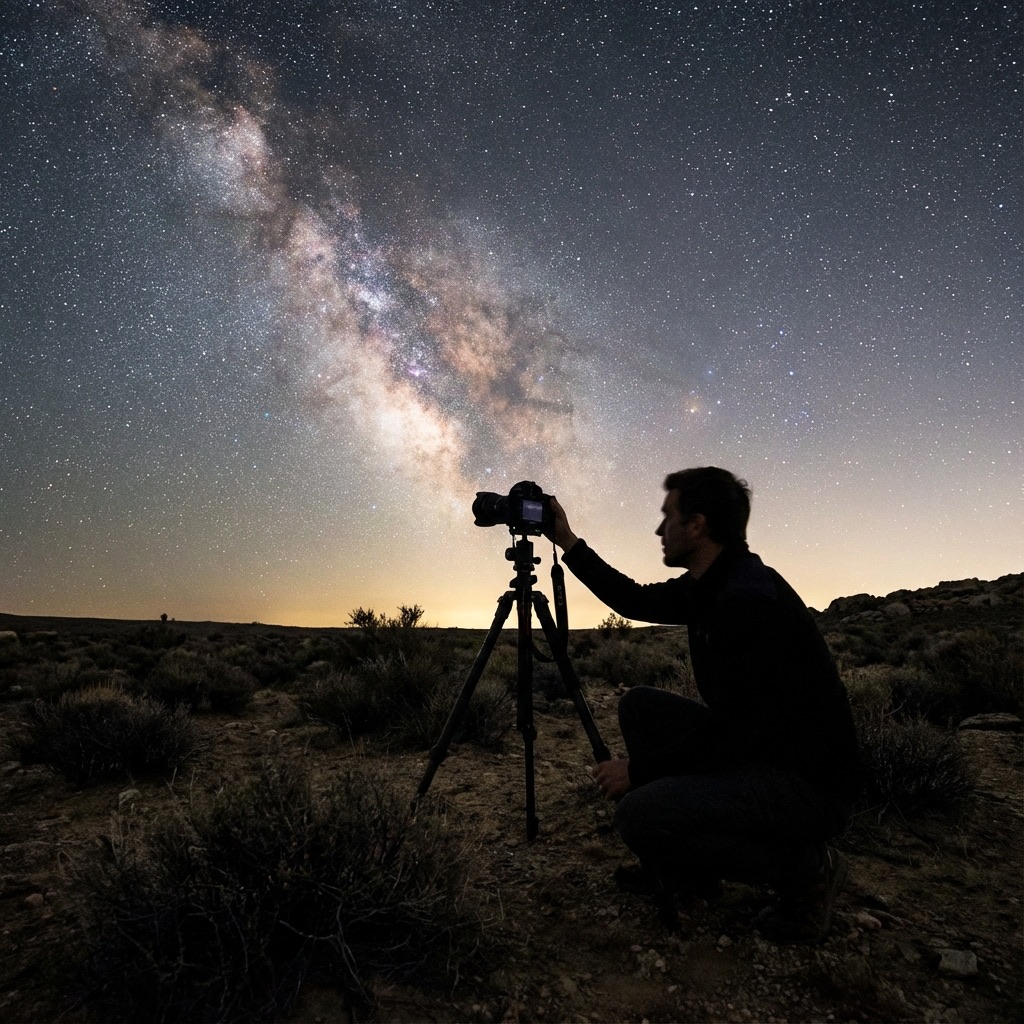
Astrophotography on a Budget: Milky Way for Under $500
Learn to photograph the night sky with affordable equipment. Our complete gear guide shows you how to capture the Milky Way for under $500.

Northern Lights in Iceland: 6 Stunning Spots
Iceland is aurora heaven! 6 dark sky spots—Jökulsárlón, Kirkjufell, and more. Your guide to 2026 aurora tracking made easy.
End of Dossier • Research Complete