Vancouver Stargazing: The Best Dark Sky Escapes
Finding a truly dark sky near Vancouver can feel impossible with the ever-growing light dome. However, if you know where to drive, there are still pristine pockets of darkness waiting to be explored.
DH Research Lab
Data & Editorial Board
Expert Tested Gear & Affiliate Disclosure
This guide contains affiliate links. As an Amazon Associate, we earn from qualifying purchases.
01When to Leave the City
The key to stargazing near Vancouver is timing the weather. Allow at least an hour of driving time past the suburban perimeter to let your eyes adjust to the dropping light pollution.
02Navigating the BC Coast
Vancouver stargazing involves managing three variables: light pollution, terrain, and the Pacific weather systems.
The Sea-to-Sky Advantage: The rugged mountains surrounding the city act as natural light shields. Once you get over the first few coastal ridges, the city glow drops off rapidly.
Inland Stability: The further you move from the ocean, the more stable (and clearer) the air becomes. Interior BC offers some of the best seeing conditions in Canada.
Summer Starlight: While winter is cloudier, summer nights in BC are short but incredibly clear. In July and August, true darkness doesn't arrive until late, but the wait is worth it.
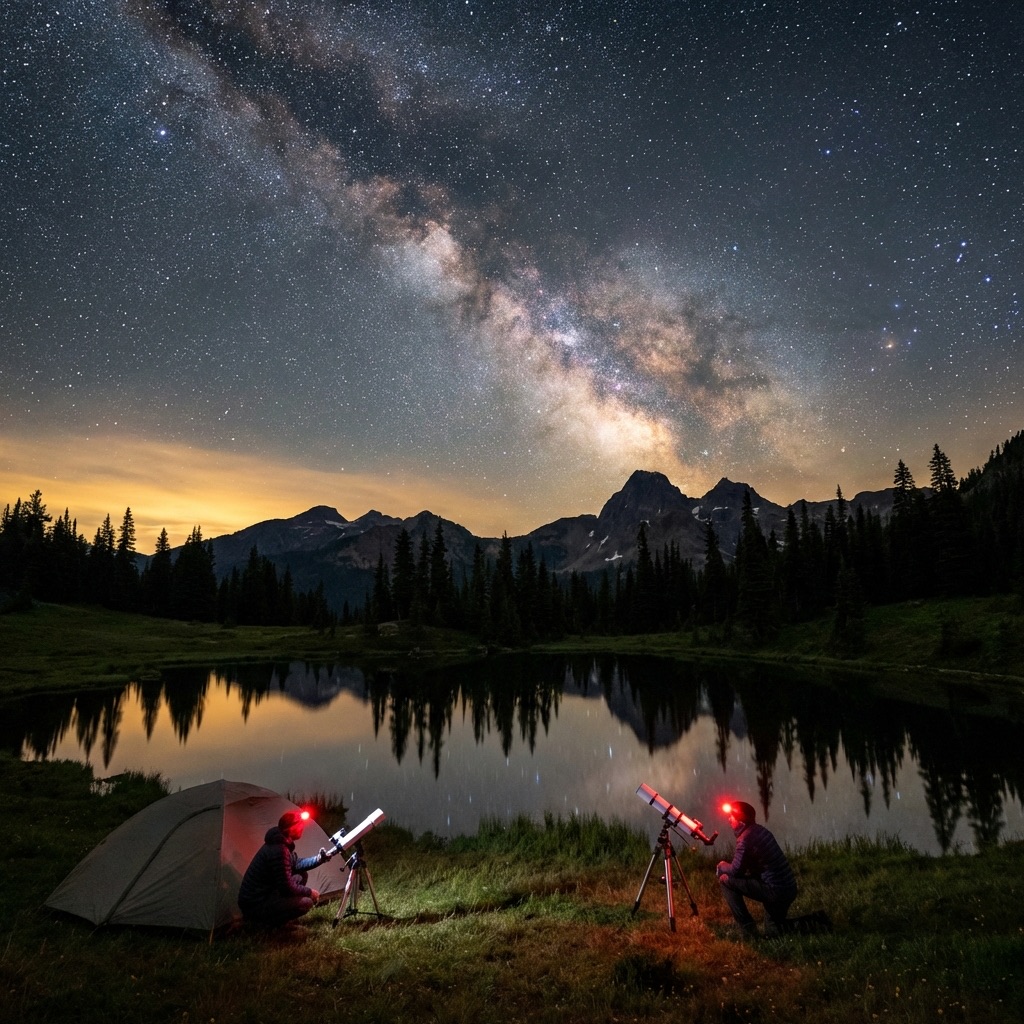
Image Tip: The Milky Way arcing over the glaciated peaks of the Garibaldi Range, reflected in a perfectly still alpine lake.
Bortle Scale
031. E.C. Manning Provincial Park
Distance from Vancouver: 2.5 hours | Bortle Class: 2-3 | Best For: Darkest accessible park, high-altitude viewing
Manning Park is the premier dark sky destination for Lower Mainland residents. It's high enough to be above much of the coastal haze and far enough from Vancouver to escape the light dome.
Where to Go:
- Lightning Lake — Easy access, stunning reflections
- Cascade Lookout — Accessible by car, 360-degree views at 5,000+ ft
- Blackwall Peak — Even higher elevation, truly pristine skies
Note: The road to Cascade Lookout is steep; check for seasonal closures in winter/spring.
Celestron SkyMaster Pro 15x70 Binoculars
“Rugged, waterproof binoculars for mountain stargazing.”
RATIONALE
Manning Park's high altitude reveals incredible detail. These binoculars are stable enough to hold while scanning the Milky Way's dust lanes.
042. Whistler / Garibaldi Provincial Park
Distance from Vancouver: 1.5 - 2 hours | Bortle Class: 3-4 | Best For: Alpine scenery, adventure combo
Whistler may be a bright resort town, but the surrounding Garibaldi Park is a massive wilderness. If you're willing to hike or drive just 15 minutes out of the village, the skies open up.
Top Spots:
- Cheakamus Lake — Relatively flat hike, very dark
- Wedgemount Lake — High effort hike, world-class alpine views
- Callaghan Valley — Road accessible, less light from Whistler
Image Reference: Deep-sky stars behind the jagged 'Black Tusk' volcanic spire.
Alpine Access
Some of the most accessible high-alpine terrain in BC.
Glacial Lakes
Turquoise water provides a unique foreground, even at night.
Colder Nights
Even in summer, mountain temperatures can drop to freezing at night.
053. Sunshine Coast (Northern End)
Distance from Vancouver: 3-4 hours (via ferry) | Bortle Class: 3 | Best For: Ocean horizons, island vibes
The northern end of the Sunshine Coast (near Powell River and Desolation Sound) is significantly darker than the sections closer to Vancouver. The combination of ocean and remote forest is therapeutic.
Where to Go:
- Saltery Bay — Dark skies overlooking the Jervis Inlet
- Desolation Sound — Best accessed by boat, genuinely pristine
- Inland Lake — Easy access with very minimal light pollution
Ferry Tip: Plan your return ferries carefully or book a cabin—the coast is a place you'll want to linger.
Nitecore NU25 Headlamp
“Ultralight rechargeable headlamp with red mode.”
RATIONALE
Essential for navigating coastal rocks or forest trails while preserving your night vision for the stars.
064. Porteau Cove Provincial Park
Distance from Vancouver: 45 minutes | Bortle Class: 5 | Best For: Closest quick sessions, water views
Porteau Cove is the most popular quick-escape for Vancouver astronomers. It's close, but it's situated in a way that the mountains block much of the city's direct light.
What to Expect:
- Great southern horizon views over Howe Sound
- Very popular; you'll likely see other stargazers
- Can be windy coming off the water
Realistic Expectation: You'll see the Milky Way, but it won't be 'bright'. Great for planetary viewing and major meteor showers.
Popular Spot
075. Merritt / Nicola Valley
Distance from Vancouver: 3 hours | Bortle Class: 2-3 | Best For: Reliable clear skies, dry plateau
When Vancouver is socked in with clouds, the Nicola Valley is often clear. This dry interior plateau offers excellent atmospheric transparency and very dark skies.
Where to Go:
- Monck Provincial Park — Good camping and dark skies
- Kentucky-Alleyne Provincial Park — Exceptionally dark and quiet
- Douglas Lake Road — Remote farmland with huge horizons
The Strategy: Use the Merritt area as your 'cloud backup' when the coast is overcast.
Dry Air
Much lower humidity than the coast means sharper views.
Transparency
The stars don't twinkle as much in this stable interior air.
Cloud Chase
The best destination when the coastal forecast looks grim.
086. Harrison Lake (East Side)
Distance from Vancouver: 2 hours | Bortle Class: 3-4 | Best For: Deep valley darkness, easy forest access
Driving past the town of Harrison Hot Springs along the logging roads leads into deep mountain valleys that are remarkably dark.
Top Spots:
- Sasquatch Provincial Park — Lakes and mountains with solid darkness
- Forestry Roads — High-clearance vehicles can find total isolation
- Clear Creek Hot Springs — Stargazing from a natural hot spring (if you can find it!)
Warning: Forest service roads require caution and appropriate vehicles. Watch for logging trucks and wildlife.
Jackery Explorer 500
“Power for your camera, telescope, and heated blankets.”
RATIONALE
Coastal and mountain nights in BC get chilly. A power station lets you run dew heaters and keep your gear powered all night.
Don't waste a clear-night chance
Get the field checklist, then use DarkestHour to decide if tonight's sky is actually worth your time, setup or travel.
Learn first. Decide with the map.
DarkestHour guides are free trust builders. Use them to understand conditions, then use Pro for saved spots, alerts and best-night decisions.
Find Your Darkest Sky
Use our real-time satellite maps to find locations with zero light pollution.
Launch Interactive MapPlan Your Deployment
Ready to experience these dark skies yourself? Use our interactive map to find the best dark-sky certified hotels, desert cabins, and observatories near this location.
Booking through this map supports Darkest Hour's light pollution research.
Your Learning Roadmap
You've mastered the guide basics. The next logical step in your technical progression is mastering astrophotography workflows.
MANDATORY FIELD EQUIPMENT
Celestron NexStar 8SE
The gold standard for deep-sky observation. 203mm aperture for maximum light gathering.
ZWO Seestar S50
Fully robotic imaging system. Perfect for urban environments and rapid deployment.
Peak Design Travel Tripod
Zero-latency stability for long exposure astrophotography. Carbon fiber construction.
Continue Your Research
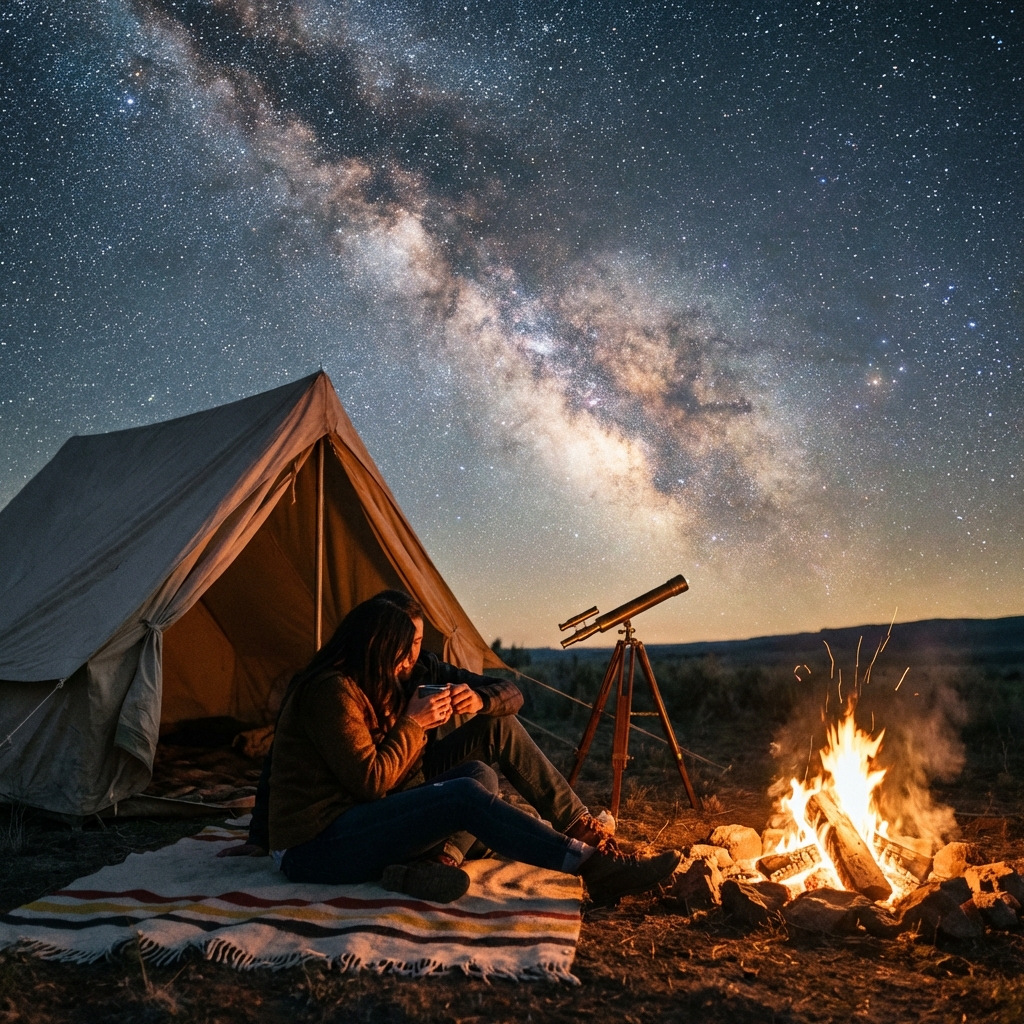
Your First Night Stargazing: Complete 2026 Guide
Everything you need for your first night under the stars. Learn to find dark sky locations, navigate constellations, and master stargazing with zero gear.
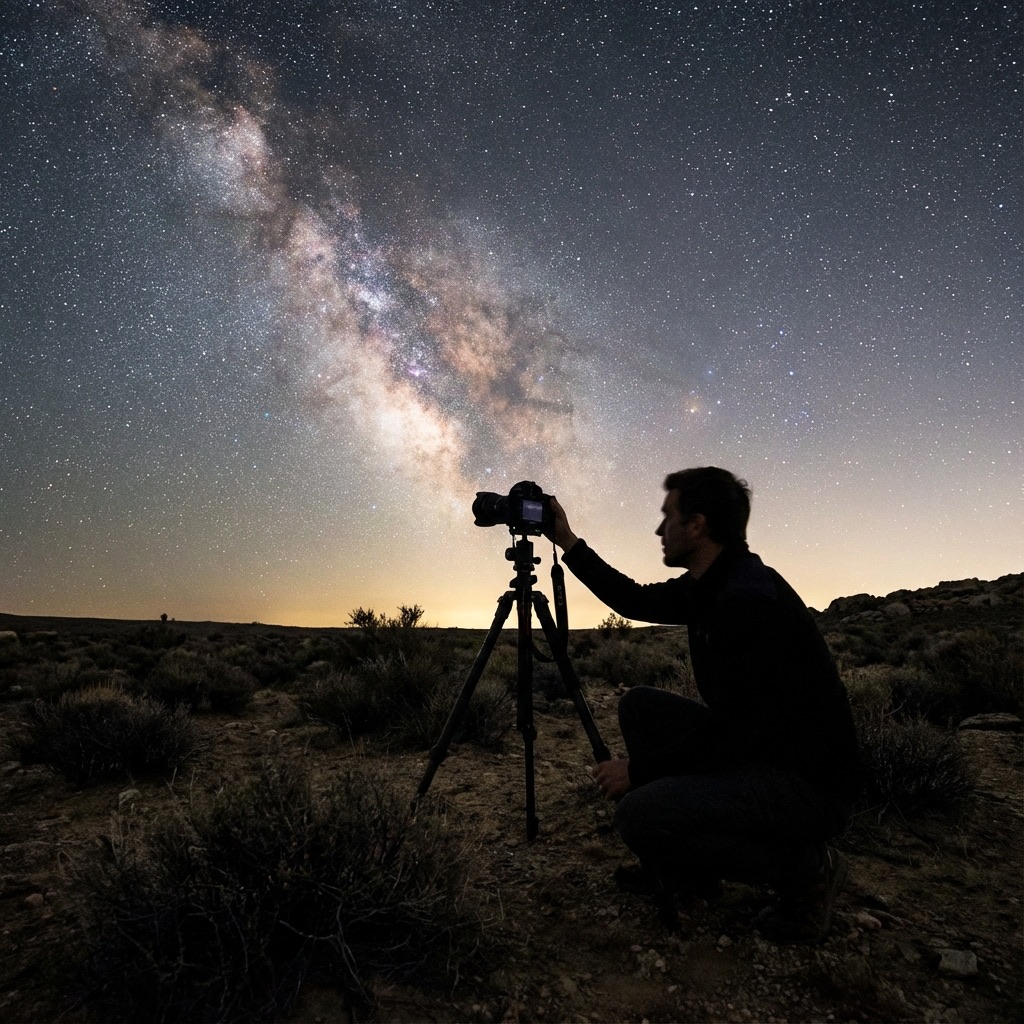
Astrophotography on a Budget: Milky Way for Under $500
Learn to photograph the night sky with affordable equipment. Our complete gear guide shows you how to capture the Milky Way for under $500.
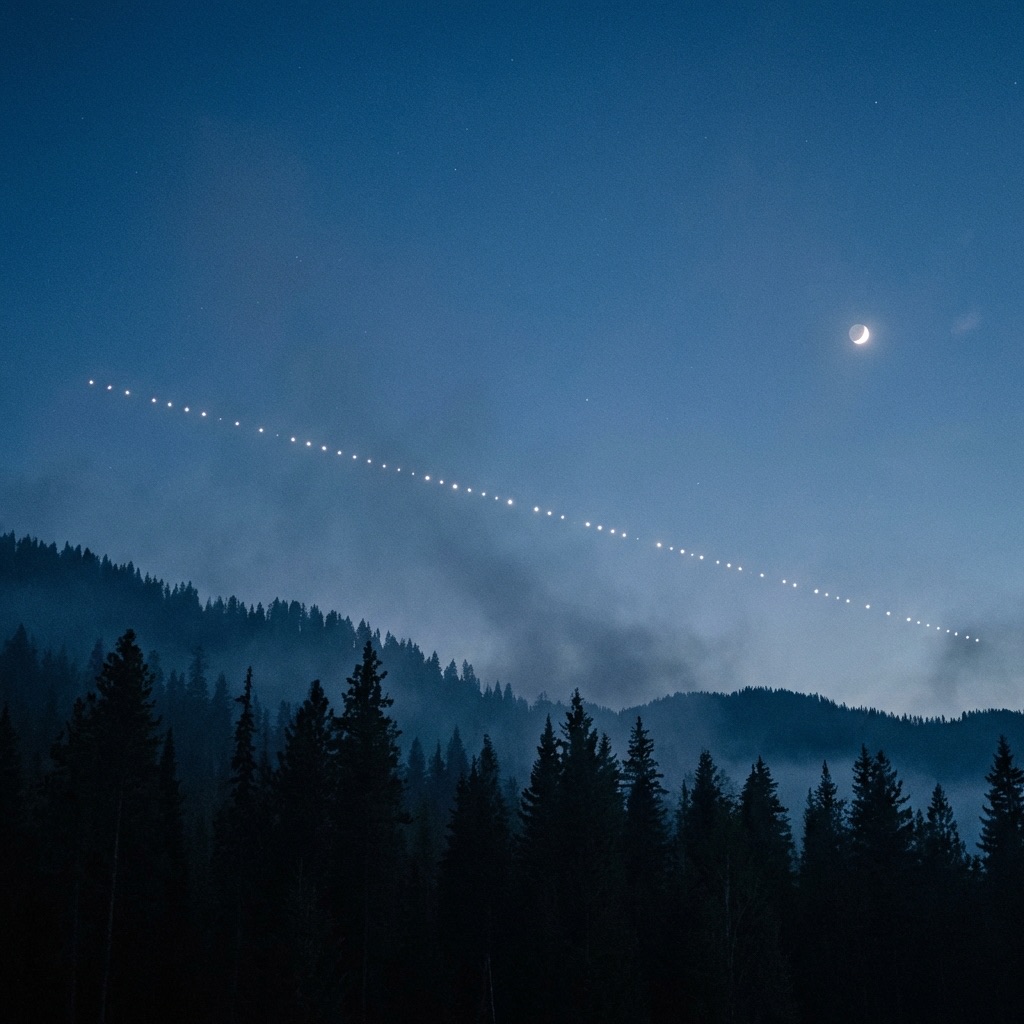
How to See Starlink Satellite Trains: A Beginner's Guide
Surreal and bright! Learn how to find, track, and photograph Starlink satellite trains glide across the night sky with our 2026 spotting guide.
End of Dossier • Research Complete