
The Ultimate Guide to Stargazing Near Dallas
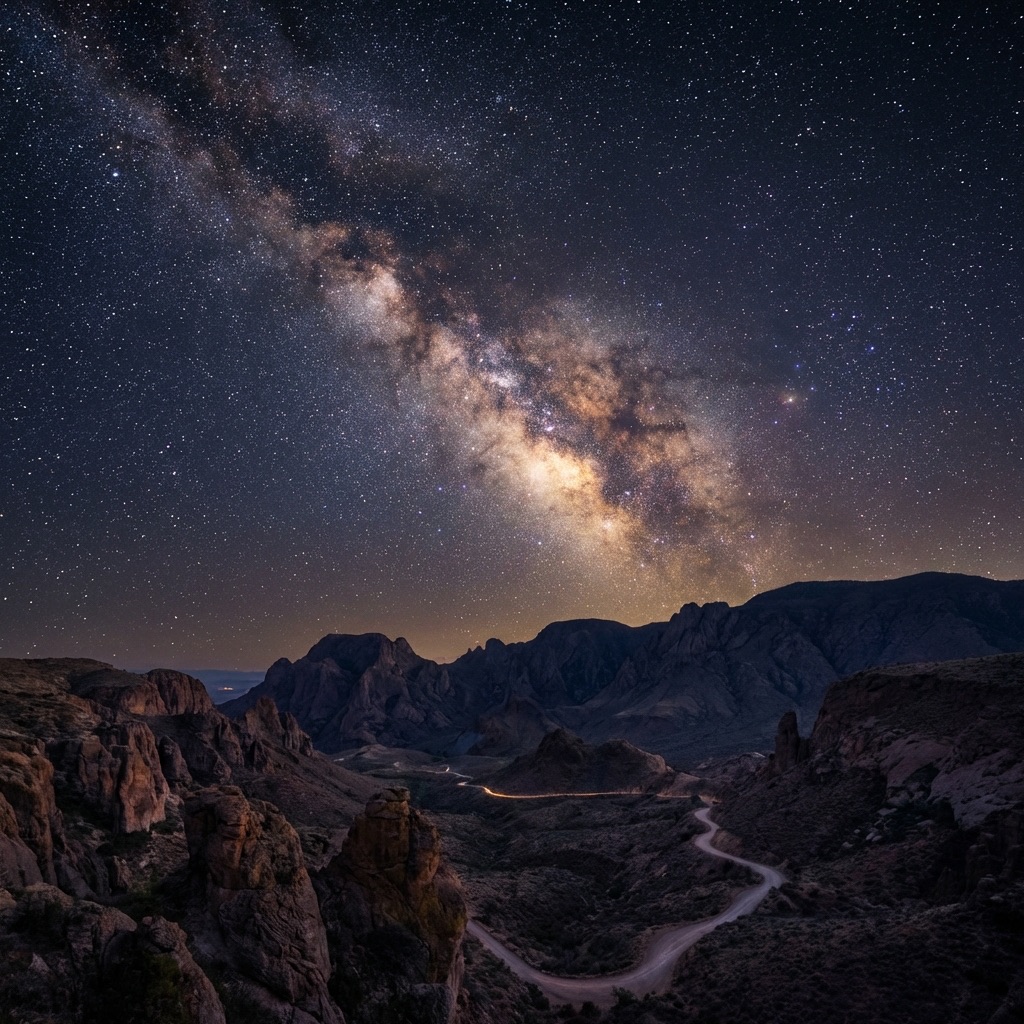
Stargazing around Dallas requires a bit of planning. To see the Milky Way or faint meteor showers, you have to escape the city's luminous footprint. We've compiled the ultimate list of dark sky escapes in the area.

DH Research Lab
Data & Editorial Board
Expert Tested Gear & Affiliate Disclosure
This guide contains affiliate links. As an Amazon Associate, we earn from qualifying purchases.
01Understanding Local Light Pollution
Before heading out from Dallas, always check the Bortle scale of your destination. The transition from the inner city (Bortle 8/9) to these locations represents a massive leap in visibility.
02Escaping the Texas Triangle
The "Texas Triangle" (Dallas-Houston-San Antonio) holds over 75% of the state's population. Escaping its light dome requires distance, but the payoff is extraordinary.
Go West: The darkest skies are in West Texas—Big Bend, Davis Mountains, and the Trans-Pecos region.
Go Remote: Central Texas has pockets of darkness, but truly dark skies require the sparsely populated regions.
Best Seasons: Winter offers the clearest skies and earliest darkness. Summer can be brutal in West Texas (100°F+).
Bortle Ratings
031. Big Bend National Park
Distance from Dallas: 8+ hours | Bortle Class: 1-2 | Best For: Darkest skies in Texas, bucket-list experience
Big Bend is consistently rated among the darkest national parks in the continental United States. The isolation of the Chihuahuan Desert, combined with Mexico's equally sparse population to the south, creates pristine conditions.
Why It's Special:
- Zodiacal light visible (impossible from cities)
- The Gegenschein (anti-solar glow) observable
- 2,000+ stars visible to the naked eye
Viewing Spots:
- Chisos Basin — High elevation, mountain backdrop
- Santa Elena Canyon — Dramatic canyon walls
- Rio Grande Village — Open desert views
Reality Check: It's a long drive. Plan for at least 2-3 nights to make it worthwhile.
Celestron NexStar 5SE Telescope
“Computerized telescope that finds objects automatically.”
RATIONALE
In skies this dark, the challenge is finding objects—there are too many stars. GoTo tracking helps you enjoy what Big Bend offers.
042. McDonald Observatory (Davis Mountains)
Distance from Dallas: 7 hours | Bortle Class: 1-2 | Best For: Public programs, professional-grade skies
The University of Texas McDonald Observatory chose this location for good reason: it's among the darkest accessible sites in North America. Public programs let visitors use real research telescopes.
Experiences:
- Star Parties — Tuesday, Friday, Saturday nights
- Special Viewing Nights — Access to the 82-inch Otto Struve Telescope
- Visitors Center — Daytime solar viewing
Nearby: Fort Davis is a charming small town with lodging and the historic Fort Davis National Historic Site.
Research Grade
The same skies professional astronomers use for cutting-edge research.
Powerful Scopes
Public programs include views through 16-24 inch telescopes.
Bortle 1
Among the darkest accessible skies in America.
053. Enchanted Rock State Natural Area
Distance from Dallas: 4 hours | Bortle Class: 3-4 | Best For: Closest dark sky, iconic Texas landmark
Enchanted Rock is a massive pink granite dome—a Texas landmark. At night, climbing the dome puts you above the Hill Country with excellent dark skies and 360° views.
What to Know:
- Summit is a 45-minute hike (0.5 miles, 425 ft elevation gain)
- Limited nighttime access—check regulations
- Day-use fees apply
Pro Tip: Arrive early. The park often reaches capacity on weekends and closes to new visitors.
Petzl Actik Core Headlamp
“Rechargeable headlamp with red mode for astronomy.”
RATIONALE
Climbing Enchanted Rock after dark requires reliable light. The red mode preserves night vision at the summit.
064. Copper Breaks State Park
Distance from Dallas: 3.5 hours | Bortle Class: 3 | Best For: Closest designated dark sky, astronomy programs
Copper Breaks is the closest International Dark Sky Park to Dallas. The park hosts monthly star parties with telescopes set up for visitors.
Features:
- Designated dark sky viewing areas
- Monthly astronomy programs
- Juniper-dotted canyonlands terrain
Timing: Check the park calendar for "Star Walk" events—rangers provide telescopes and guidance.
Camp Here
075. South Llano River State Park
Distance from Dallas: 4.5 hours | Bortle Class: 3-4 | Best For: River setting, wildlife, good skies
In the heart of the Texas Hill Country, South Llano River combines quality dark skies with excellent wildlife viewing (wild turkeys everywhere) and a beautiful river setting.
Stargazing Notes:
- Less formal astronomy programming than other parks
- Campground allows overnight observing
- River canyon blocks some light from nearby Junction
Combo Trip: Combine with a visit to Enchanted Rock for a Hill Country dark sky weekend.
Peaceful
Quieter and less visited than Enchanted Rock.
Hill Country
Rolling hills, clear rivers, abundant wildlife.
Solid Skies
Not Bortle 1, but genuinely dark for Central Texas.
086. Caprock Canyons State Park
Distance from Dallas: 5.5 hours | Bortle Class: 2-3 | Best For: Dramatic canyon scenery, bison herd
Caprock Canyons features stunning red canyon walls, the official Texas State Bison Herd, and some of the darkest accessible skies in the Panhandle region.
What to See:
- Texas State Bison Herd (100+ animals)
- 90-mile Trailway (rails-to-trails conversion)
- Red canyon walls as foregrounds
Practical: The park is remote. Bring supplies and fuel up in Quitaque or Turkey.
Yeti Tundra 45 Cooler
“Keep food and drinks cold for extended dark sky road trips.”
RATIONALE
Multi-day road trips to West Texas require serious gear. This cooler keeps ice for days in Texas heat.
09Texas Stargazing Essentials
Texas-Specific Considerations:
- Rattlesnakes are real—watch where you step, use a flashlight on trails
- Fire ants—don't set up your blanket on a mound
- Heat—even winter days can be warm; nights can plunge below freezing
- Distance—West Texas is far from everything; fuel up frequently
Gear:
- Red LED headlamp
- Multiple water containers (1 gallon/person/day minimum)
- Sun protection for daytime driving
- Warm layers for night (desert temperature swings are extreme)
- Sturdy tripod for wind
Best Seasons:
- Winter: Clearest skies, but cold nights. Orion dominates.
- Spring: Milky Way rises late; variable weather
- Fall: Excellent conditions, Milky Way still visible early evening
- Summer: Hot but long nights; monsoon moisture can create haze
Texas Distance Reality
Don't waste a clear-night chance
Get the field checklist, then use DarkestHour to decide if tonight's sky is actually worth your time, setup or travel.
Learn first. Decide with the map.
DarkestHour guides are free trust builders. Use them to understand conditions, then use Pro for saved spots, alerts and best-night decisions.
Find Your Darkest Sky
Use our real-time satellite maps to find locations with zero light pollution.
Launch Interactive MapPlan Your Deployment
Ready to experience these dark skies yourself? Use our interactive map to find the best dark-sky certified hotels, desert cabins, and observatories near this location.
Booking through this map supports Darkest Hour's light pollution research.
Your Learning Roadmap
You've mastered the destinations basics. The next logical step in your technical progression is mastering astrophotography workflows.
MANDATORY FIELD EQUIPMENT
Celestron NexStar 8SE
The gold standard for deep-sky observation. 203mm aperture for maximum light gathering.
ZWO Seestar S50
Fully robotic imaging system. Perfect for urban environments and rapid deployment.
Peak Design Travel Tripod
Zero-latency stability for long exposure astrophotography. Carbon fiber construction.
Continue Your Research
Your First Night Stargazing: Complete 2026 Guide
Everything you need for your first night under the stars. Learn to find dark sky locations, navigate constellations, and master stargazing with zero gear.
Astrophotography on a Budget: Milky Way for Under $500
Learn to photograph the night sky with affordable equipment. Our complete gear guide shows you how to capture the Milky Way for under $500.
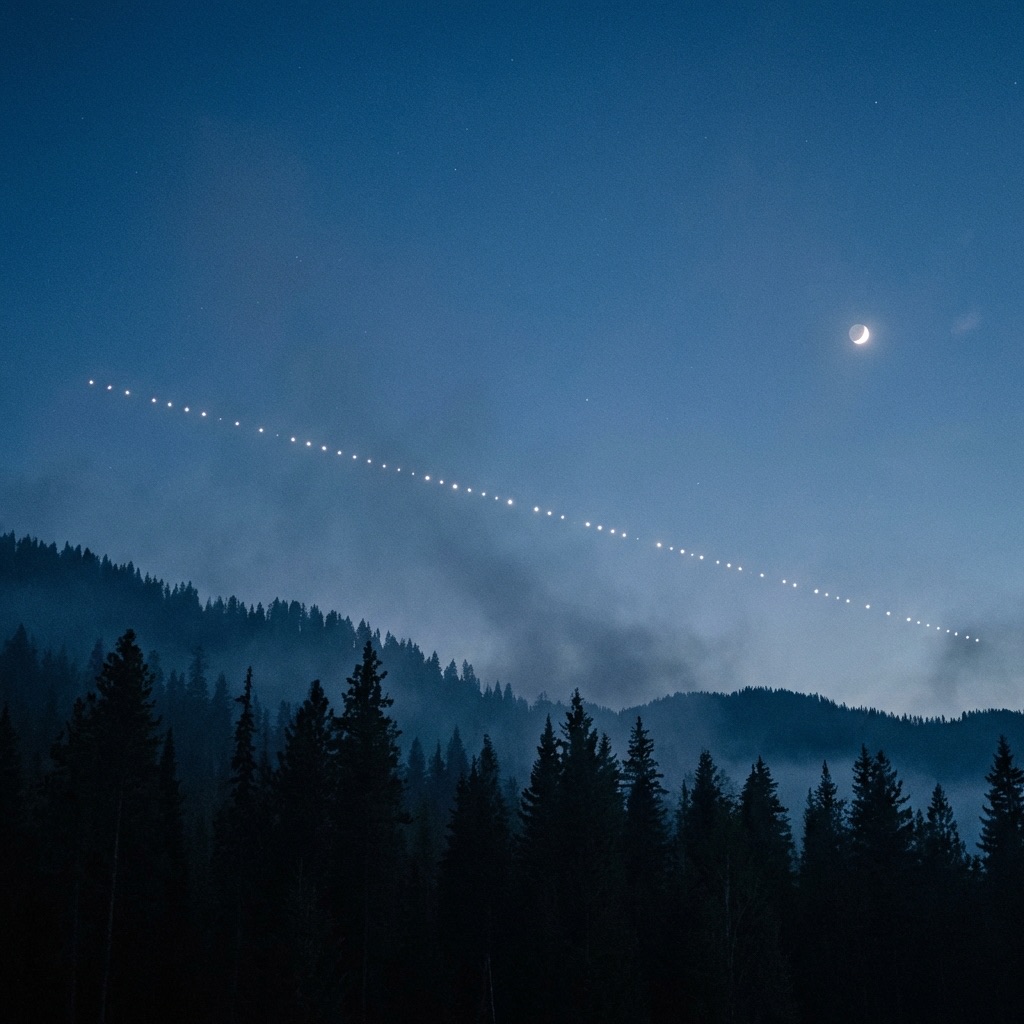
How to See Starlink Satellite Trains: A Beginner's Guide
Surreal and bright! Learn how to find, track, and photograph Starlink satellite trains glide across the night sky with our 2026 spotting guide.
End of Dossier • Research Complete