
Best Stargazing in New Zealand: 6 World-Class Dark Sky Sights (2026)
New Zealand is widely regarded as the world's premier dark sky destination. With a small population and vast areas of protected wilderness, NZ offers a level of darkness that is rare in the modern world. Home to several International Dark Sky Reserves and Sanctuaries, the country provides an unparalleled window into the Southern Hemisphere's cosmos. From the glaciated peaks of the Southern Alps to the rugged isolation of Rakiura, here are 6 locations where the night sky will change your perspective on the universe.
DH Research Lab
Data & Editorial Board
Expert Tested Gear & Affiliate Disclosure
This guide contains affiliate links. As an Amazon Associate, we earn from qualifying purchases.
01Why NZ is the Dark Sky Leader
New Zealand's commitment to the night sky is unique:
The First Gold Tier Reserve: The Aoraki Mackenzie region was the first to receive gold-tier status from the IDA, setting the global standard for dark sky protection.
The Southern Advantage: Being further south (latitude 45°S) means the Galactic Center passes directly overhead, and the Magellanic Clouds are permanent, bright features of the night.
Clean Air: With no major industries and the nearest landmass 2,000km away, the air is exceptionally clean, leading to incredible atmospheric transparency.
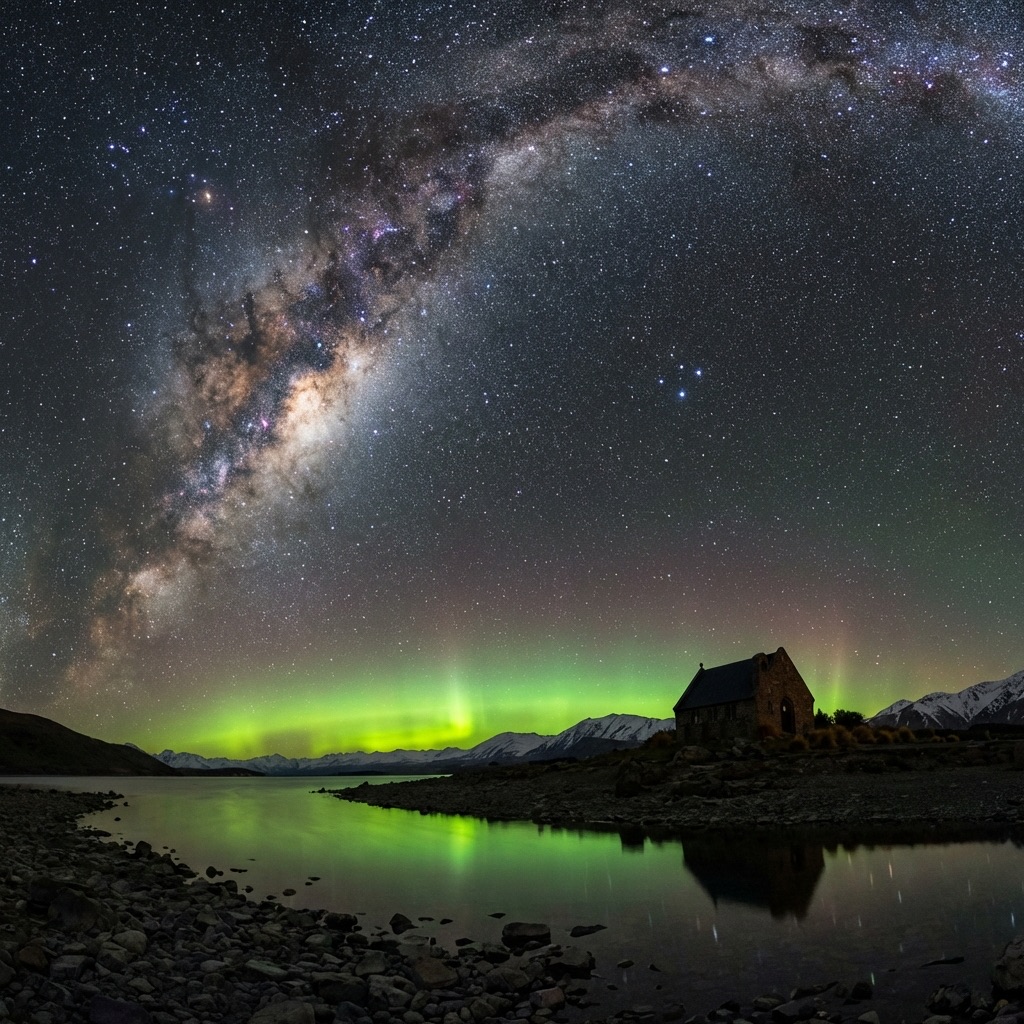
Image Tip: The Milky Way rising behind the Church of the Good Shepherd, with Lake Tekapo's turquoise water mirroring the stars.
Bortle Scale
021. Aoraki Mackenzie International Dark Sky Reserve
Distance from Christchurch: 3 hours | Bortle Class: 1-2 | Best For: Top-tier darkness, stargazing tours
This is the big one—4,300 square kilometers of protected darkness. It includes Tekapo, Twizel, and Mt Cook Village. It's the most famous stargazing location in the Southern Hemisphere.
Top Viewing Spots:
- Mount John Observatory — Public tours with research-grade telescopes
- Church of the Good Shepherd — Iconic foreground for photography (very popular)
- Aoraki/Mt Cook Village — Stargazing from the foot of NZ's highest peak
Note: The area is a 'Dark Sky Reserve,' meaning lighting in the towns is strictly controlled to preserve the darkness.
Sky-Watcher Star Adventurer GTi
“Full GoTo star tracker for advanced astrophotography.”
RATIONALE
In a Bortle 1 sky like Mackenzie, you'll want to take long exposures to capture the intricate nebulae of the southern sky. This tracker finds them for you.
032. Stewart Island (Rakiura) Dark Sky Sanctuary
Distance from Invercargill: 1 hour (via ferry/flight) | Bortle Class: 1 | Best For: Ultimate isolation, Aurora Australis
Rakiura literally translates to 'The Land of Glowing Skies,' referring to both the long summer sunsets and the frequent appearances of the Aurora Australis. It is NZ's southernmost dark sky site.
The Experience:
- 85% of the island is National Park
- Zero significant light pollution from any direction
- One of the few inhabited places on Earth with Bortle 1 skies
Aurora Tip: Stewart Island is the best place in New Zealand to see the Southern Lights. Look south from Observation Rock or Ackers Point.
Pristine
Truly prehistoric levels of darkness—the sky feels three-dimensional.
Aurora Hub
The closest you can get to the Southern Lights from a permanent town.
Remote
A place where the rhythm of life is set by the tides and the stars.
043. Great Barrier Island (Aotea) Dark Sky Sanctuary
Distance from Auckland: 30 minutes (flight/ferry) | Bortle Class: 1-2 | Best For: Off-grid stargazing near the city
Great Barrier was the first island in the world to be designated an International Dark Sky Sanctuary. It's almost entirely off-grid, meaning no streetlights and no light domes.
Why Visit:
- Incredible darkness just a short hop from Auckland
- Unique island biodiversity combined with pristine stars
- Local 'star guides' offer intimate viewing experiences
Practical: There are no banks and limited shops on the island. Bring what you need and enjoy the total immersion in nature.
Celestron 20x80 SkyMaster Binoculars
“High-power binoculars for deep sky scanning.”
RATIONALE
On an island with zero streetlights, these binos reveal so many stars that the constellations can actually be hard to find!
054. Wai-Iti Dark Sky Park (Nelson/Tasman)
Distance from Nelson: 45 minutes | Bortle Class: 3 | Best For: Accessible dark skies, family-friendly
Wai-Iti is NZ's first International Dark Sky Park (as opposed to a Reserve or Sanctuary). It's located in a secluded valley that shields the site from the light of Nelson and Richmond.
Features:
- Dedicated observing site with good parking
- Regular community stargazing events
- Very accessible for a quick evening trip
Strategy: A great local spot for those based at the top of the South Island, or as a stop on your way to the Abel Tasman National Park.
Accessible
Just a short drive from Nelson for a high-quality session.
Microclimate
The Nelson region is famous for having the most sunshine hours in NZ.
Community
Active local astronomy club presence.
065. Wairarapa Dark Sky Reserve
Distance from Wellington: 1.5 hours | Bortle Class: 2-3 | Best For: Closest high-quality sky to the capital
The recently designated Wairarapa Dark Sky Reserve covers the South Wairarapa and Carterton districts. It provides a huge area of protected darkness just over the Remutaka Range from Wellington.
Where to Go:
- Martinborough — Famous for wine and now world-class stars
- Lake Ferry — Dramatic coastal stargazing overlooking the Palliser Bay
- Stonehenge Aotearoa — A modern open-air astronomical observatory
Experience: Spend the day wine tasting in Martinborough and the night staring at the core of our galaxy.
Dark Sky Wine
076. Martinborough (Stonehenge Aotearoa)
Distance from Wellington: 1 hour | Bortle Class: 3-4 | Best For: Educational astronomy, unique architecture
While part of the Wairarapa Reserve, Stonehenge Aotearoa deserves its own mention. It's a full-scale working adaptation of Stonehenge designed specifically for the Southern Hemisphere.
Must-Do:
- Take a guided tour to learn how ancient people navigated the stars
- Observe the sunset/sunrise alignments during solstices and equinoxes
- Excellent for learning the basics of stars and celestial mechanics
Note: It's more of an educational facility than a remote wilderness site, but it's a fascinating bridge between human culture and the stars.
National Geographic Star Map (Southern Hemisphere)
“Essential for identifying southern constellations.”
RATIONALE
Crucial for first-timers in NZ to help distinguish the Southern Cross from its 'false' counterparts.
Don't waste a clear-night chance
Get the field checklist, then use DarkestHour to decide if tonight's sky is actually worth your time, setup or travel.
Learn first. Decide with the map.
DarkestHour guides are free trust builders. Use them to understand conditions, then use Pro for saved spots, alerts and best-night decisions.
Find Your Darkest Sky
Use our real-time satellite maps to find locations with zero light pollution.
Launch Interactive MapPlan Your Deployment
Ready to experience these dark skies yourself? Use our interactive map to find the best dark-sky certified hotels, desert cabins, and observatories near this location.
Booking through this map supports Darkest Hour's light pollution research.
Your Learning Roadmap
You've mastered the travel basics. The next logical step in your technical progression is mastering astrophotography workflows.
MANDATORY FIELD EQUIPMENT
Celestron NexStar 8SE
The gold standard for deep-sky observation. 203mm aperture for maximum light gathering.
ZWO Seestar S50
Fully robotic imaging system. Perfect for urban environments and rapid deployment.
Peak Design Travel Tripod
Zero-latency stability for long exposure astrophotography. Carbon fiber construction.
Continue Your Research
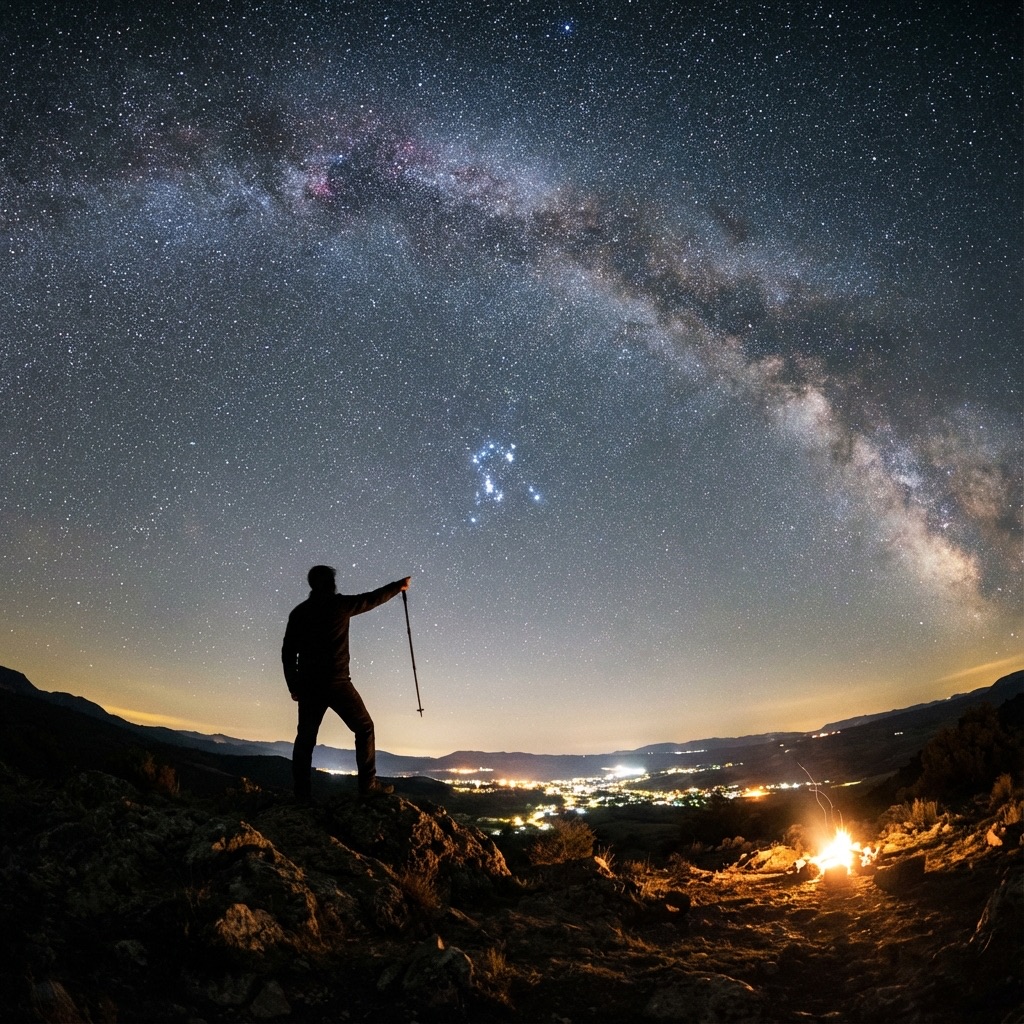
New Zealand Dark Sky Sanctuaries: Ultimate Road Trip
Plan the ultimate astro-tourism trip. From the Mt Cook Dark Sky Reserve to the remote sanctuaries of Great Barrier Island and Rakiura.
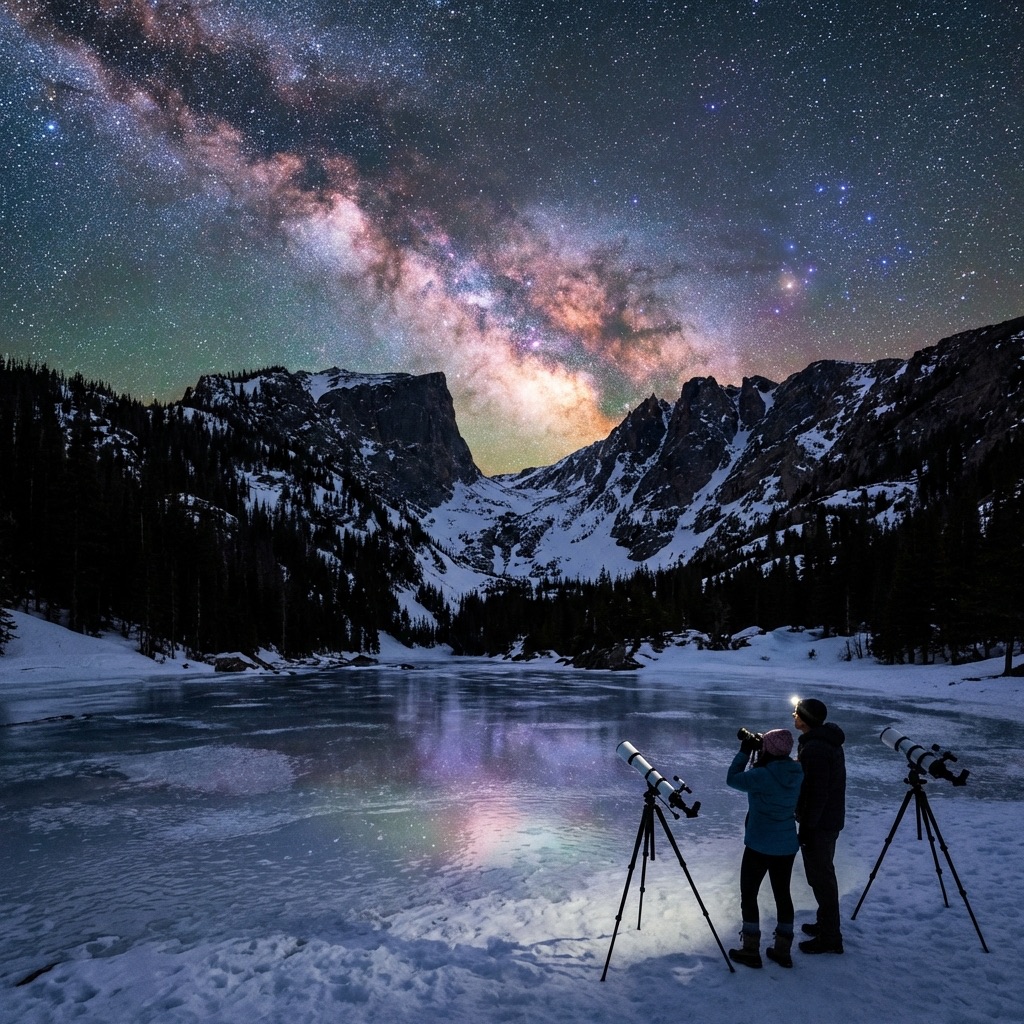
Best Stargazing Near Denver: 7 Colorado Dark Sky Escapes
High altitude and dark skies! 7 stunning Colorado spots within 3 hours of Denver—Rocky Mountain NP, Great Sand Dunes, and hidden alpine gems.
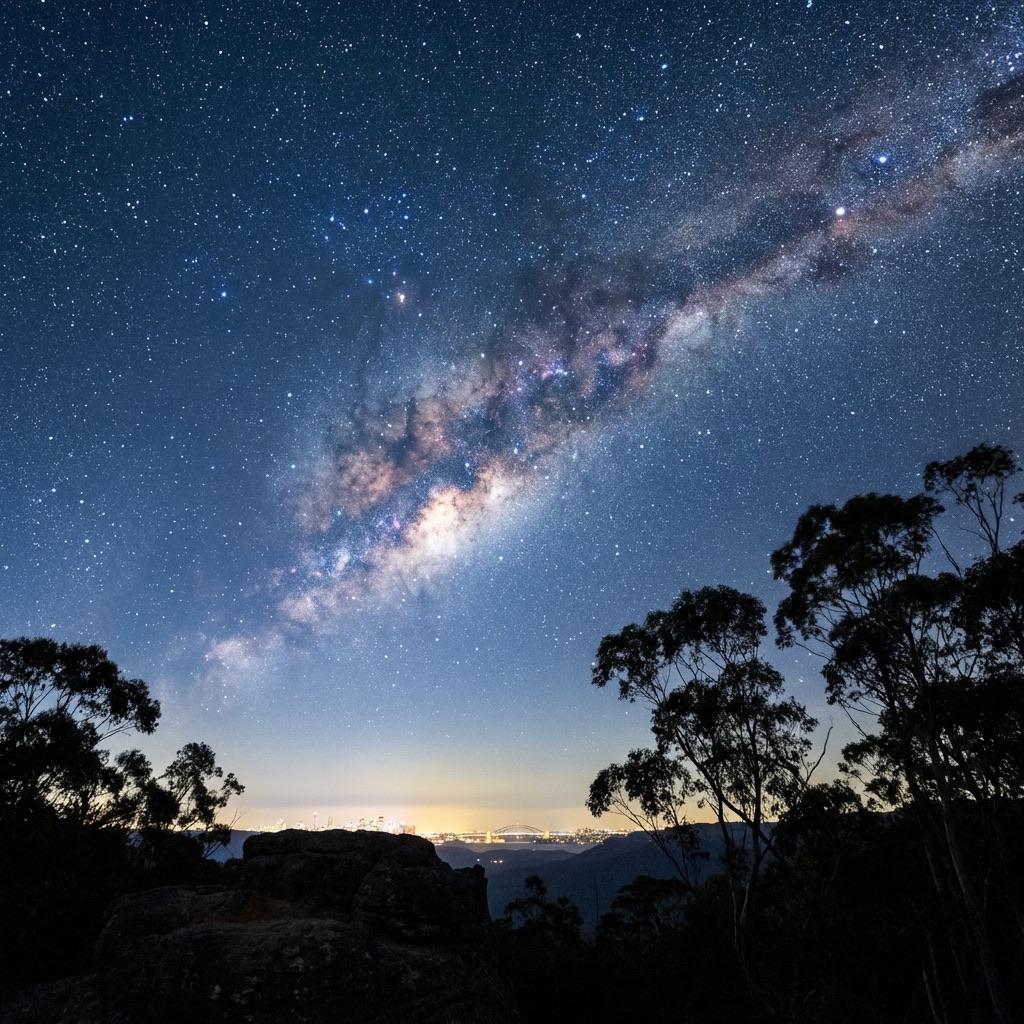
Stargazing Near Sydney: 6 NSW Dark Sky Escapes
Escape the city lights! 6 incredible NSW dark sky spots near Sydney—Warrumbungle, Blue Mountains, and Mudgee. Southern Hemisphere stars at their best.
End of Dossier • Research Complete