
Where to Go Stargazing in Vegas: Top Dark Sky Spots
Finding a truly dark sky near Vegas can feel impossible with the ever-growing light dome. However, if you know where to drive, there are still pristine pockets of darkness waiting to be explored.
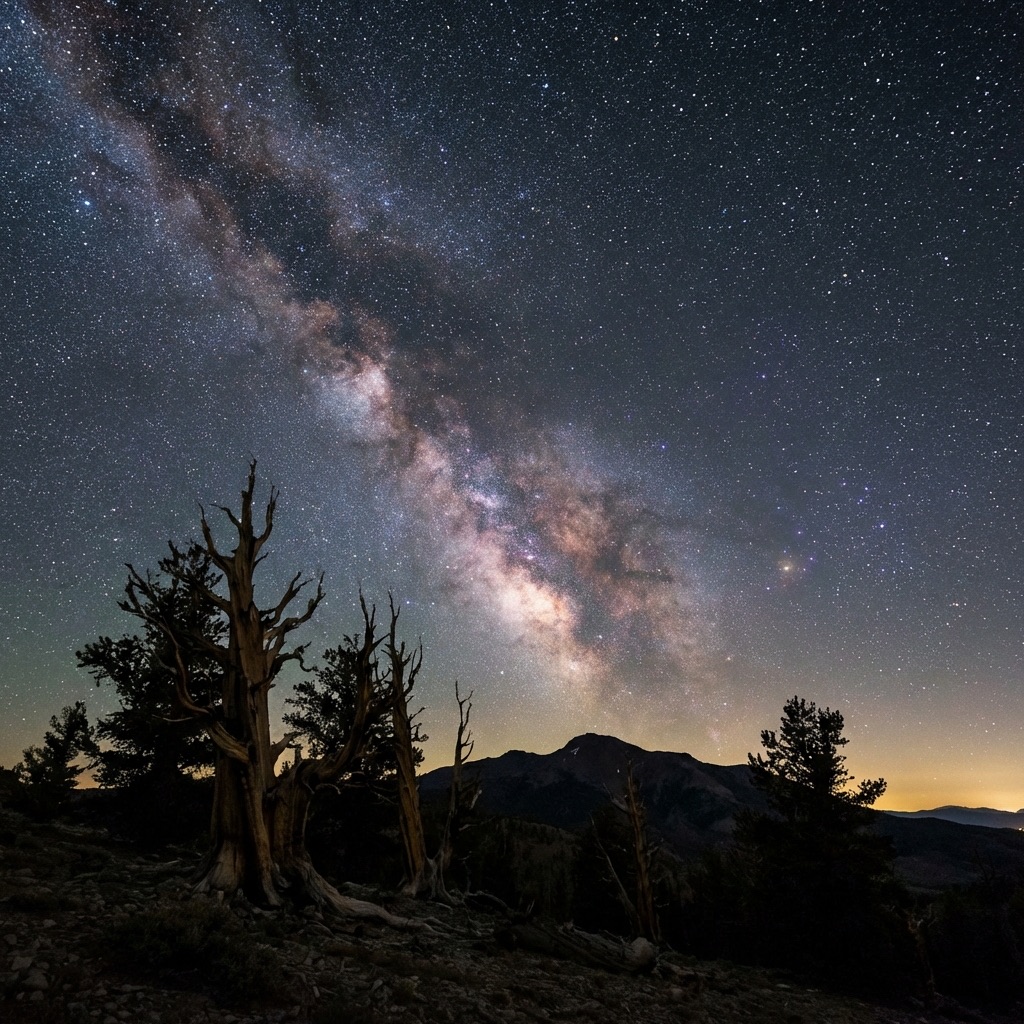

DH Research Lab
Data & Editorial Board
Expert Tested Gear & Affiliate Disclosure
This guide contains affiliate links. As an Amazon Associate, we earn from qualifying purchases.
01When to Leave the City
The key to stargazing near Vegas is timing the weather. Allow at least an hour of driving time past the suburban perimeter to let your eyes adjust to the dropping light pollution.
02The Zero-Light Escape
The strategy for Las Vegas is simple: follow the emptiness.
The Desert Effect: Nevada's dry air means almost zero atmospheric distortion. Once you escape the light dome, the stars don't just 'appear'—they dominate.
Elevation Gain: Mt. Charleston and Great Basin offer high-altitude observing (7,000 to 10,000 ft), putting you above the dust and heat of the desert floor.
Extreme Solitude: Nevada's backcountry is truly empty. Always bring supplies, a spare tire, and extra water.
Image Reference: The Milky Way rising behind the red Aztec sandstone of Valley of Fire, with zero evidence of the city just an hour away.
Safety First
031. Red Rock Canyon (Scenic Overlook)
Distance from Vegas: 30 minutes | Bortle Class: 5-6 | Best For: Closest quick getaway, accessibility
Red Rock is the standard local escape. While the eastern horizon is completely blown out by the Vegas light dome, the western sky over the Spring Mountains is surprisingly decent.
Top Spot:
- State Route 159 Overlooks — You don't even need to enter the scenic loop (which closes at night) to find great spots.
- Spring Mountain Ranch — Occasional astronomy nights.
Realistic Expectation: This is great for planetary viewing or bright lunar events. For the Milky Way core, you need to go further.
Celestron 15x70 SkyMaster Binoculars
“High-power binoculars for wide-field scanning.”
RATIONALE
Perfect for a quick trip out to Red Rock. They reveal the craters of the moon and the moons of Jupiter with zero setup time.
042. Valley of Fire State Park
Distance from Vegas: 1 hour | Bortle Class: 4 | Best For: Iconic photography, red rock foregrounds
Valley of Fire is a photographer's dream. The vibrant red sandstone creates incredible contrast with the deep blue of the night sky. Access to the park at night is restricted to campers, so book a spot!
Why It's Special:
- 'The Mouse's Tank' road offers world-class astro photo comps.
- The 'Fire Wave' under the stars is a bucket-list shot.
- Significantly darker than Red Rock.
Note: You must be a registered camper to be in the park after sunset. Rangers do patrol.
Visual Contrast
Vibrant red rocks against a deep black sky = stunning photos.
Archaeology
Stargaze next to 2,000-year-old petroglyphs.
Close Escape
Just 60 minutes from the Strip to a completely different world.
053. Great Basin National Park
Distance from Vegas: 4.5 hours | Bortle Class: 1-2 | Best For: World-class darkness, serious astronomers
This is it. Great Basin is an International Dark Sky Park and consistently ranks as one of the darkest sites in the lower 48 states. It's a journey, but for any enthusiast, it's mandatory.
What to Expect:
- Mather Overlook — High altitude (9,000 ft) with incredible clarity.
- Lehman Caves — Great daytime addition to the trip.
- Ranger-led programs — Some of the best astronomy programs in the NPS.
The View: On moonless nights, the Milky Way is bright enough to cast visible shadows. It is life-changing.
Sky-Watcher Star Adventurer 2i
“Portable star tracker for long-exposure photography.”
RATIONALE
In a Bortle 1 sky like Great Basin, you'll want to take 3-minute exposures to capture the faint nebulae hidden in the Milky Way. This tracker makes it possible.
064. Mount Charleston
Distance from Vegas: 45 minutes | Bortle Class: 4-5 | Best For: Escaping the heat, high-altitude viewing
When the Vegas valley is 110°F, Mt. Charleston is 75°F. The 8,000+ foot elevation puts you above the desert haze and provides a cooler, clearer window to the stars.
Where to Go:
- Desert View Overlook — Paved trail with eastern views (away from Vegas).
- Lee Canyon — Open areas used by local astronomy clubs.
- McWilliams Campground — Great for staying the night.
Winter Note: Mt. Charleston gets heavy snow. In winter, it's a ski resort. Check road conditions and closures.
Cool Down
Always 20-30 degrees cooler than the Vegas valley.
Above Haze
At 8k feet, you are above the typical desert dust levels.
Local Favorite
The go-to spot for Vegas-based astronomy clubs.
075. Tonopah (Star Party Capital)
Distance from Vegas: 3 hours | Bortle Class: 2 | Best For: Small town hospitality, incredible darkness
Tonopah has consciously branded itself as 'The Best Stargazing in the Country.' The town has a dedicated 'Clair Blackburn Memorial Stargazing Park' with pads for telescopes.
Why Tonopah?
- Dedicated stargazing park with zero nearby lighting.
- Historic Mizpah Hotel for a spooky/luxe stay.
- Town actively encourages amateur astronomers.
Tip: Visit the Tonopah Historic Mining Park during the day for great photo ops and mining history.
Dark Sky Commitment
086. Death Valley (Eastern Entrance)
Distance from Vegas: 2 hours | Bortle Class: 2 | Best For: Extreme landscapes, Bortle 2 darkness
While we covered Death Valley in the LA guide, the eastern side (near Beatty and Death Valley Junction) is closer to Vegas and equally spectacular.
Top Spots from Vegas:
- Zabriskie Point — Close to the NV border, insane silhouetted horizons.
- Dante's View — 5,000 ft overlook looking down on the salt flats.
- Rhyolite Ghost Town — Creepy, cool foreground for night shots.
Strategy: Stay in Beatty (NV) for cheaper lodging while accessing the park's world-class darkness in 20 minutes.
Black Diamond Mojo Chalk Bag
“Actually great for holding lenses and accessories while observing.”
RATIONALE
In the dark, you don't want to fumble in a big bag. A chalk bag on your belt keeps your spare battery and red light in reach.
Don't waste a clear-night chance
Get the field checklist, then use DarkestHour to decide if tonight's sky is actually worth your time, setup or travel.
Learn first. Decide with the map.
DarkestHour guides are free trust builders. Use them to understand conditions, then use Pro for saved spots, alerts and best-night decisions.
Find Your Darkest Sky
Use our real-time satellite maps to find locations with zero light pollution.
Launch Interactive MapPlan Your Deployment
Ready to experience these dark skies yourself? Use our interactive map to find the best dark-sky certified hotels, desert cabins, and observatories near this location.
Booking through this map supports Darkest Hour's light pollution research.
Your Learning Roadmap
You've mastered the locations basics. The next logical step in your technical progression is mastering astrophotography workflows.
MANDATORY FIELD EQUIPMENT
Celestron NexStar 8SE
The gold standard for deep-sky observation. 203mm aperture for maximum light gathering.
ZWO Seestar S50
Fully robotic imaging system. Perfect for urban environments and rapid deployment.
Peak Design Travel Tripod
Zero-latency stability for long exposure astrophotography. Carbon fiber construction.
Continue Your Research
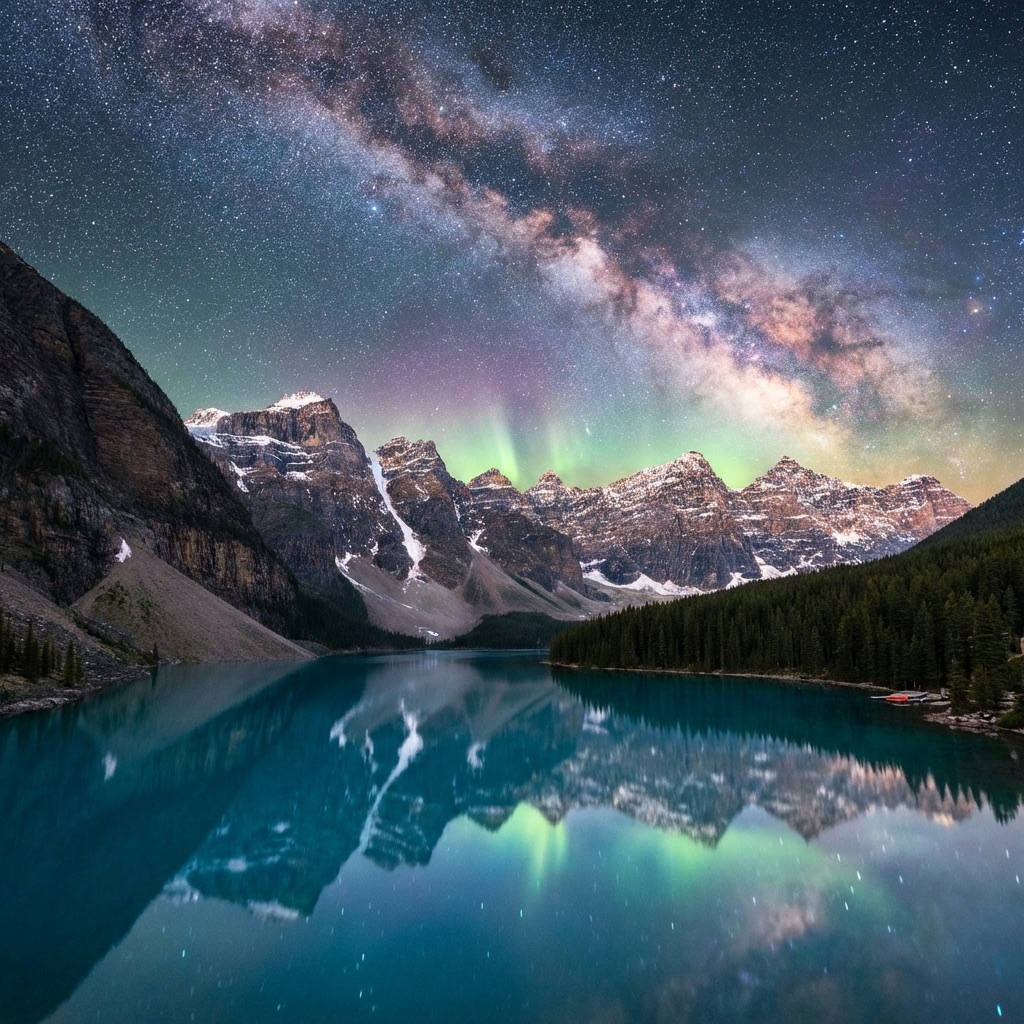
Stargazing in Banff: 6 Canadian Rockies Escapes
Glacial stars await! 6 spots in Banff National Park—Lake Louise, Icefields Parkway, and Peyto Lake. Your guide to Rockies' stargazing.
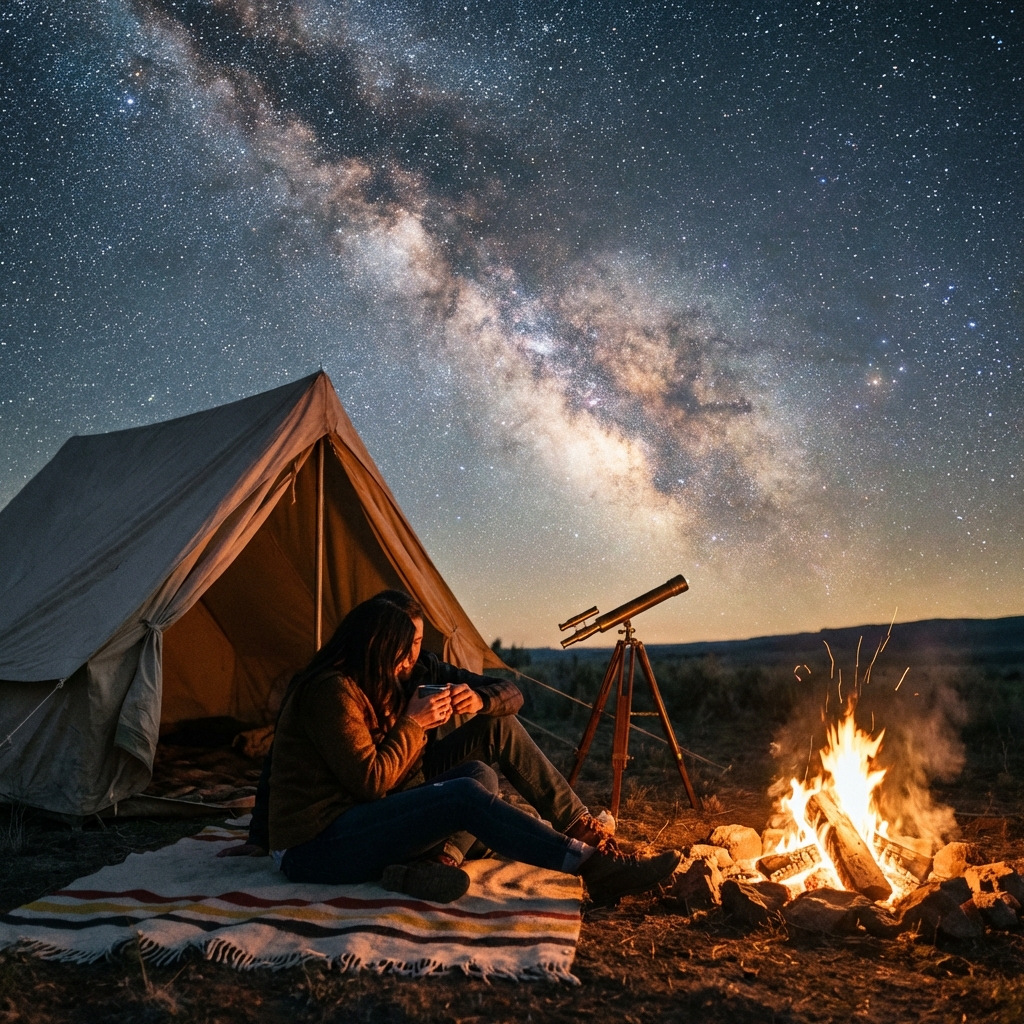
Your First Night Stargazing: Complete 2026 Guide
Everything you need for your first night under the stars. Learn to find dark sky locations, navigate constellations, and master stargazing with zero gear.
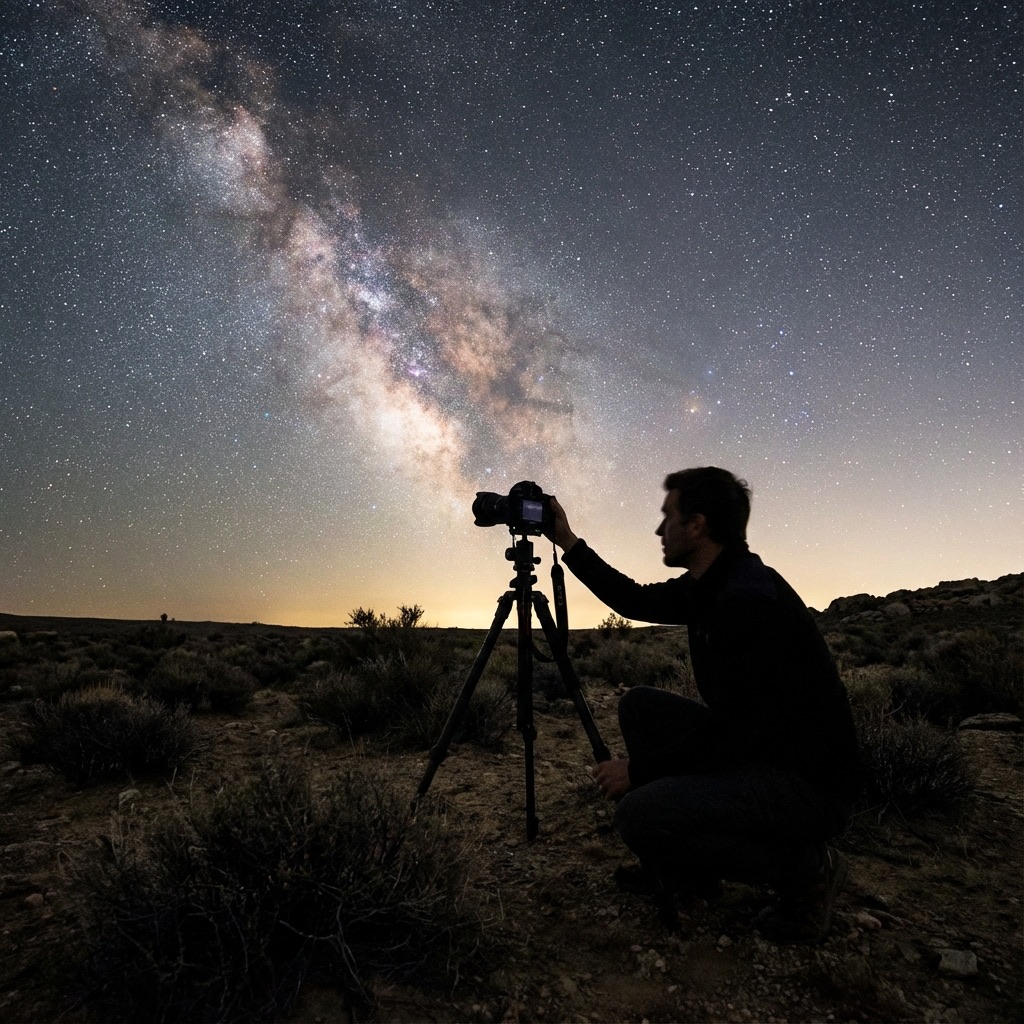
Astrophotography on a Budget: Milky Way for Under $500
Learn to photograph the night sky with affordable equipment. Our complete gear guide shows you how to capture the Milky Way for under $500.
End of Dossier • Research Complete